John Dowland
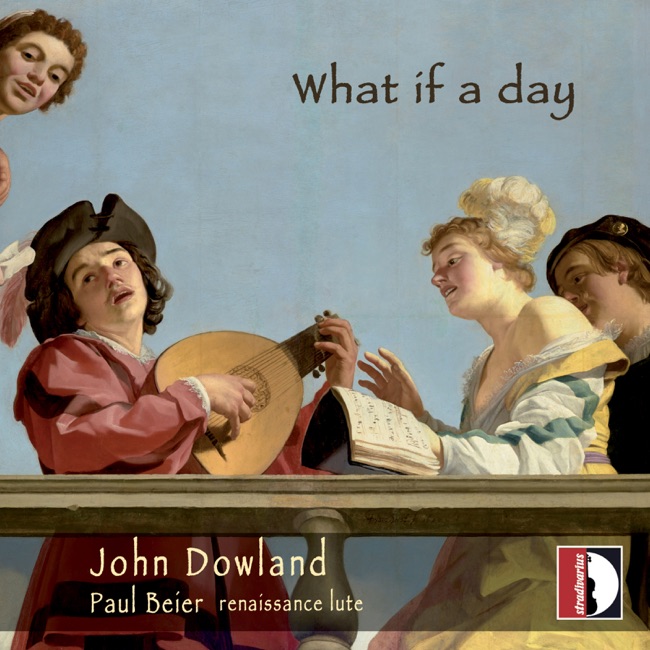
What if a day, P 79
Released Album
Recent Album

Featured Album
Works Info
Composer:John DowlandGenre:ChamberStyle:Chamber MusicAverage_duration:1:33"What if a day, P 79" is a lute song composed by John Dowland, a prominent English Renaissance composer and lutenist. The song was likely composed in the early 17th century, during Dowland's tenure as a lutenist in the court of King James I. The song is a melancholic reflection on the transience of life and the inevitability of death. It is composed in the key of G minor and features a simple, repetitive melody that is accompanied by a rich and intricate lute accompaniment. The song is divided into three distinct movements. The first movement features a slow and mournful melody that is sung in a low register. The second movement is more lively and features a faster tempo and a more complex melody. The final movement returns to the slow and mournful melody of the first movement, bringing the song to a somber and contemplative close. One of the most notable characteristics of "What if a day, P 79" is its use of word painting. Throughout the song, Dowland uses musical techniques to emphasize the meaning of the lyrics. For example, in the first movement, the melody descends on the word "down" and rises on the word "up," emphasizing the contrast between life and death. The song premiered in the early 17th century and quickly became one of Dowland's most popular works. It has since been performed and recorded by countless musicians and remains a beloved example of Renaissance lute song.More....
Works Music
Released Music

Featured Music