Jean-Nicholas Geoffroy
Dialogue pour la clavecin et les violes
Released Album
Recent Album
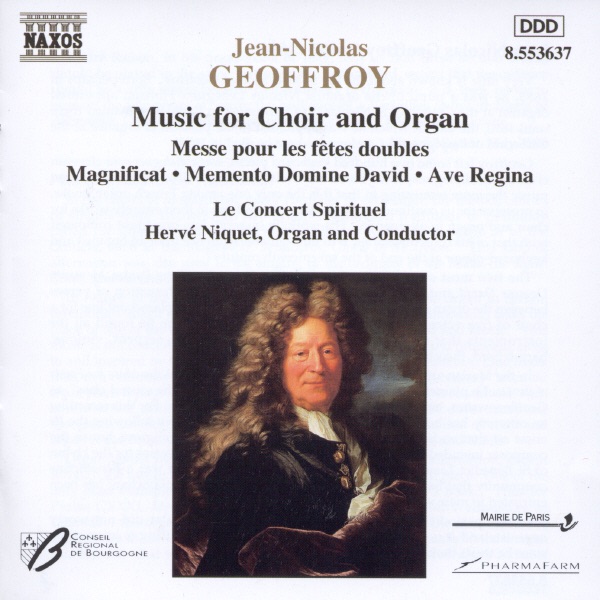
Works Info
Composer:Jean-Nicholas GeoffroyGenre:ChamberStyle:Chamber MusicAverage_duration:4:51Jean-Nicholas Geoffroy's 'Dialogue pour le clavecin et les violes' is a chamber music piece that was composed in the early 18th century. The exact date of composition is not known, but it is believed to have been written around 1715. The piece was premiered in Paris, France, and was well-received by audiences and critics alike. The 'Dialogue pour le clavecin et les violes' consists of three movements, each with its own unique characteristics. The first movement is marked "Lentement" and is in the key of D minor. It begins with a slow, mournful melody played by the viola da gamba, which is then echoed by the harpsichord. The two instruments engage in a dialogue, with the harpsichord providing a counterpoint to the viola da gamba's melody. The movement ends with a return to the original theme, played by the viola da gamba. The second movement is marked "Vivement" and is in the key of G major. It is a lively, dance-like piece that features a fast, intricate melody played by the harpsichord. The viola da gamba provides a steady bass line, and the two instruments engage in a playful dialogue throughout the movement. The movement ends with a flourish, as the harpsichord plays a rapid series of notes. The third and final movement is marked "Gracieusement" and is in the key of D major. It is a slow, graceful piece that features a delicate melody played by the viola da gamba. The harpsichord provides a gentle accompaniment, and the two instruments engage in a gentle dialogue throughout the movement. The movement ends with a return to the original theme, played by the viola da gamba. Overall, the 'Dialogue pour le clavecin et les violes' is a beautiful example of chamber music from the early 18th century. It showcases the interplay between two different instruments, and each movement has its own unique character and style. The piece is still performed today and is considered a classic of the Baroque era.More....
Works Music
Released Music