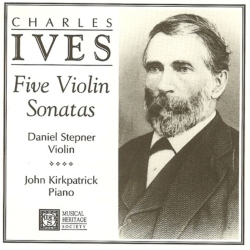
Charles Ives
Sonata, for violin & piano No. 1, S. 60 (K. 2C4)
Released Album
Recent Album


Works Info
Composer:Charles IvesGenre:ChamberStyle:SonataCompose Date:1901 - 1908Publication Date:1953First Performance:Nov 27, 1928Average_duration:23:09Movement_count:3Movement ....Charles Ives' Sonata for Violin and Piano No. 1, S. 60 (K. 2C4) was composed in 1914 and premiered in 1917. The sonata is divided into four movements, each with its own unique characteristics. The first movement, marked "Andante - Allegro vivace," begins with a lyrical violin melody accompanied by a simple piano accompaniment. The music gradually builds in intensity, with the violin and piano engaging in a lively dialogue. The movement ends with a virtuosic violin cadenza. The second movement, marked "Largo cantabile," is a slow and contemplative piece. The violin and piano trade off melodic lines, creating a sense of introspection and reflection. The movement ends with a quiet and peaceful coda. The third movement, marked "Scherzo: Allegro," is a playful and energetic piece. The violin and piano engage in a lively dance, with the music alternating between fast and slow sections. The movement ends with a sudden and unexpected stop. The final movement, marked "Allegro," is a lively and virtuosic piece. The violin and piano engage in a frenzied dialogue, with the music building to a thrilling climax. The movement ends with a triumphant coda. Overall, Ives' Sonata for Violin and Piano No. 1 is a complex and challenging work that showcases the composer's innovative approach to harmony, rhythm, and form. The sonata is characterized by its use of dissonance, unconventional tonal structures, and unexpected shifts in tempo and mood. Despite its technical demands, the sonata is also deeply expressive and emotionally powerful, making it a beloved work in the violin and piano repertoire.More....
Works Music
Released Music

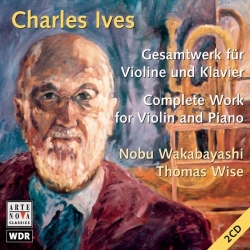
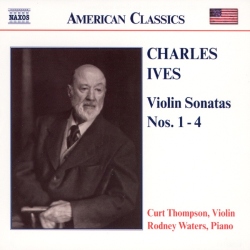
7
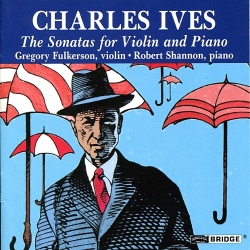
6:43