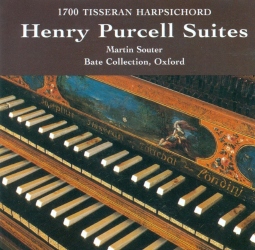
Henry Purcell
Suite for harpsichord No. 3 in G major, Z. 662
Released Album
Recent Album
Works Info
Composer:Henry PurcellGenre:KeyboardStyle:KeyboardCompose Date:ca. 1696Average_duration:6:37Movement_count:3Movement ....Henry Purcell's 'Suite for harpsichord No. 3 in G major, Z. 662' is a collection of dances that was composed in the late 17th century. The exact date of composition is unknown, but it is believed to have been written sometime between 1680 and 1695. The suite was first premiered in London, England, and was likely performed by Purcell himself. The suite consists of eight movements, each of which is a different dance. The first movement is a prelude, which sets the tone for the rest of the suite. It is followed by an allemande, a slow and stately dance in 4/4 time. The third movement is a courante, a faster dance in triple meter. The fourth movement is a sarabande, a slow and solemn dance in triple meter. The fifth movement is a jig, a lively dance in compound meter. The sixth movement is a hornpipe, a dance that was originally performed by sailors and is characterized by its lively rhythm and syncopation. The seventh movement is a minuet, a dance in triple meter that was popular in the courts of Europe. The final movement is a chaconne, a dance in triple meter that is characterized by its repeating bass line. The suite is typical of Purcell's style, which is characterized by its use of counterpoint, chromaticism, and expressive harmonies. The suite is also notable for its use of ornamentation, which was a common feature of Baroque music. The suite is written for the harpsichord, which was a popular instrument in the Baroque era. The harpsichord was known for its ability to produce a wide range of dynamic and expressive effects, which made it a popular choice for composers of the time. Overall, Purcell's 'Suite for harpsichord No. 3 in G major, Z. 662' is a beautiful and expressive collection of dances that showcases the composer's skill and creativity. Its use of counterpoint, ornamentation, and expressive harmonies make it a classic example of Baroque music, and it remains a popular piece among harpsichordists and music lovers today.More....
Works Music
Released Music
1
1:58
2
59
3
2:59
5
1:15
6
3:30
7
1:16
8
6:32
9
1:24