Jean-Pierre Guignon
Trio Sonata for 2 violins & continuo in D major, Op. 4/2
Released Album
Recent Album
Works Info
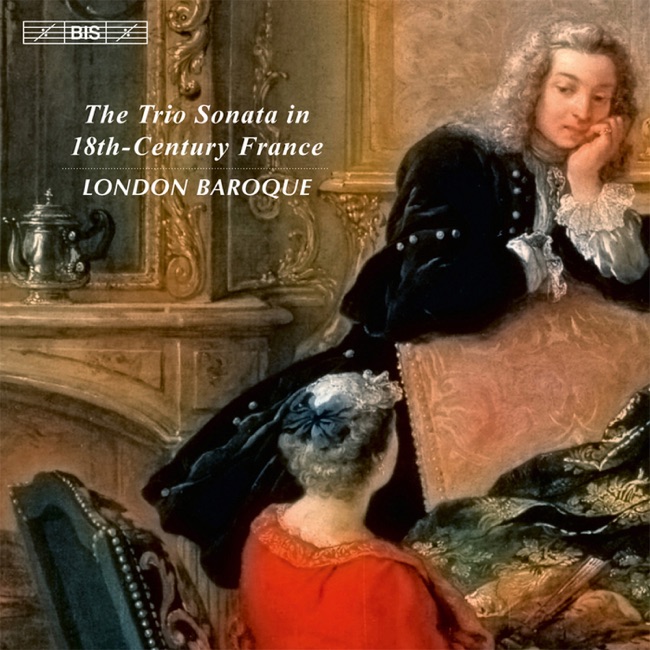
Composer:Jean-Pierre GuignonGenre:ChamberAverage_duration:13:24Movement_count:4Movement ....Jean-Pierre Guignon's Trio Sonata for 2 violins & continuo in D major, Op. 4/2 was composed in the early 18th century. The exact date of composition is unknown, but it is believed to have been written around 1710-1720. The piece was premiered in Paris, where Guignon was a prominent violinist and composer. The Trio Sonata consists of four movements: Adagio, Allegro, Adagio, and Allegro. The first movement, Adagio, is a slow and expressive introduction that sets the tone for the rest of the piece. The second movement, Allegro, is a lively and energetic dance that showcases the virtuosity of the two violins. The third movement, Adagio, is another slow and expressive section that provides a contrast to the previous movement. The final movement, Allegro, is a fast and lively dance that brings the piece to a thrilling conclusion. The Trio Sonata is characterized by its use of counterpoint, which is the technique of combining multiple melodies to create a complex and harmonious texture. Guignon's use of counterpoint is particularly evident in the second and fourth movements, where the two violins play off each other in a playful and intricate dialogue. The piece also features a continuo, which is a bass line that is played by a keyboard instrument (such as a harpsichord) and a bass instrument (such as a cello). The continuo provides a harmonic foundation for the violins and adds depth and richness to the overall sound of the piece. Overall, Guignon's Trio Sonata for 2 violins & continuo in D major, Op. 4/2 is a masterful example of Baroque chamber music. Its intricate melodies, lively rhythms, and complex harmonies make it a challenging and rewarding piece for performers and a delight for listeners.More....
Works Music