Alexander Grechaninov
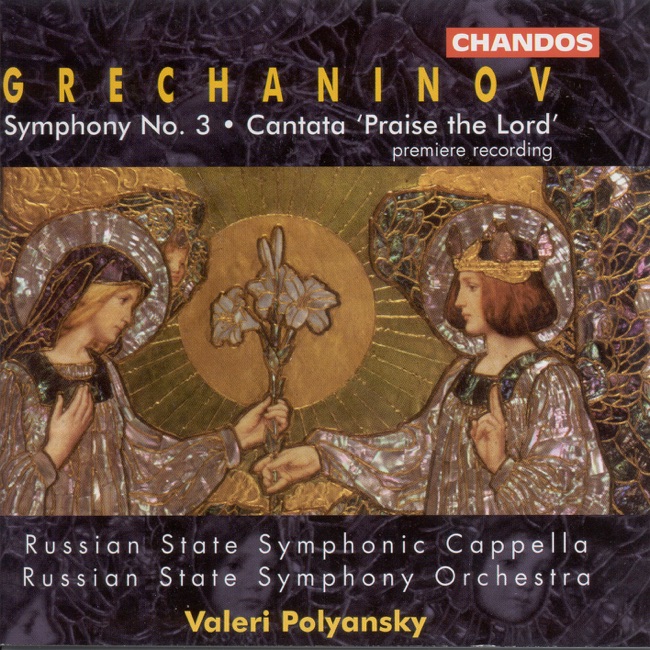
Symphony No. 3 in E major, Op. 100
Released Album
Recent Album
Works Info
Composer:Alexander GrechaninovGenre:SymphonyStyle:SymphonyCompose Date:1920 - 1923Average_duration:36:07Movement_count:4Movement ....Alexander Grechaninov's Symphony No. 3 in E major, Op. 100, was composed in 1946 and premiered in Moscow on December 18, 1947. The symphony is divided into four movements and has a total running time of approximately 40 minutes. The first movement, marked Allegro moderato, begins with a lively and energetic theme introduced by the strings. The theme is then passed on to the woodwinds and brass, creating a sense of excitement and anticipation. The movement features a number of contrasting themes and textures, including a lyrical second theme introduced by the clarinet and a more subdued middle section featuring a solo violin. The movement ends with a triumphant restatement of the opening theme. The second movement, marked Andante, is a slow and contemplative piece featuring a hauntingly beautiful melody played by the strings. The melody is then taken up by the woodwinds and brass, creating a sense of longing and nostalgia. The movement builds to a powerful climax before subsiding into a quiet and reflective coda. The third movement, marked Allegro vivace, is a lively and playful scherzo featuring a number of rhythmic and melodic motifs. The movement is characterized by its lightness and energy, with the various themes and motifs bouncing off each other in a playful and joyful manner. The final movement, marked Allegro molto, is a grand and majestic finale featuring a triumphant theme played by the brass. The theme is then taken up by the strings and developed throughout the movement, building to a powerful and dramatic conclusion. Overall, Grechaninov's Symphony No. 3 is a masterful work that showcases the composer's skill in orchestration and his ability to create memorable and emotionally powerful melodies. The symphony is characterized by its sense of energy, excitement, and optimism, making it a fitting tribute to the post-war era in which it was composed.More....