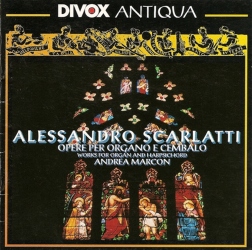
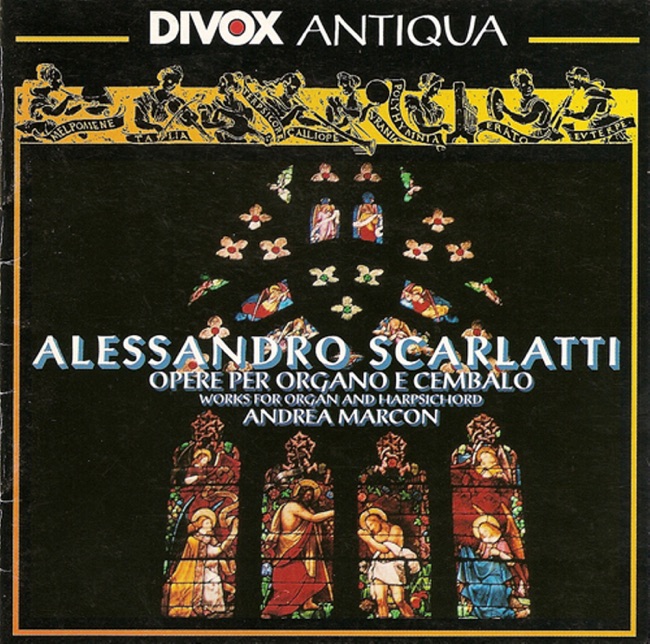
Alessandro Scarlatti
Fugue, terzo tono
Released Album
Recent Album



Works Info
Composer:Alessandro ScarlattiGenre:KeyboardStyle:FugueAverage_duration:2:35Alessandro Scarlatti's 'Fugue, terzo tono' is a Baroque composition for keyboard, composed in the early 18th century. The exact date of its composition is unknown, but it is believed to have been written around 1700. The piece is characterized by its use of counterpoint, a technique in which two or more melodic lines are played simultaneously, creating a complex and intricate texture. The 'Fugue, terzo tono' is divided into three movements, each of which is based on a different theme. The first movement is a lively and energetic fugue, in which the main theme is introduced and then developed through a series of imitative entries. The second movement is a slower and more contemplative fugue, in which the theme is presented in a more subdued and introspective manner. The final movement is a lively and virtuosic toccata, in which the theme is developed through a series of rapid and intricate runs and arpeggios. One of the key characteristics of Scarlatti's 'Fugue, terzo tono' is its use of chromaticism, a technique in which notes outside of the diatonic scale are used to create tension and dissonance. This is particularly evident in the first movement, where the chromaticism creates a sense of urgency and excitement. Another characteristic of the piece is its use of counterpoint, which creates a complex and intricate texture that is typical of Baroque music. The 'Fugue, terzo tono' was premiered in the early 18th century, and quickly became a popular piece among keyboard players of the time. Its intricate counterpoint and virtuosic passages made it a challenging and rewarding piece to play, and it remains a popular piece among keyboard players today. Scarlatti's 'Fugue, terzo tono' is a testament to the skill and creativity of one of the greatest composers of the Baroque era, and a testament to the enduring power of music to inspire and delight audiences across the centuries.More....