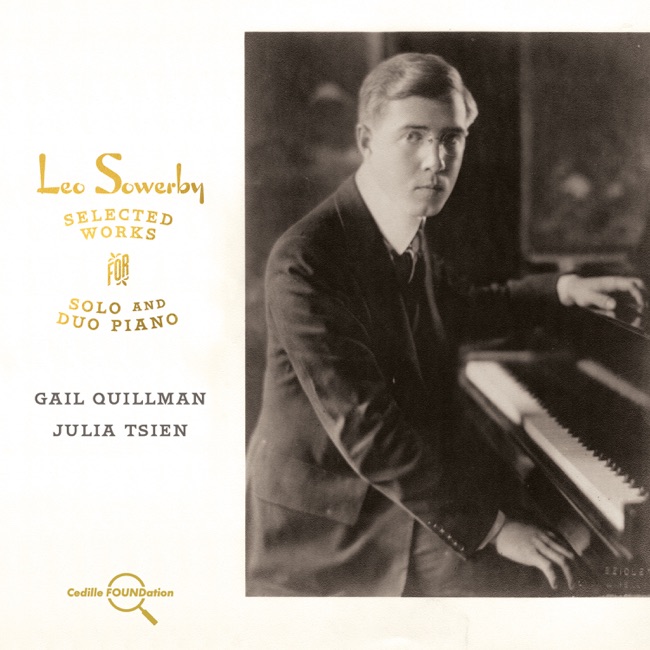
Leo Sowerby
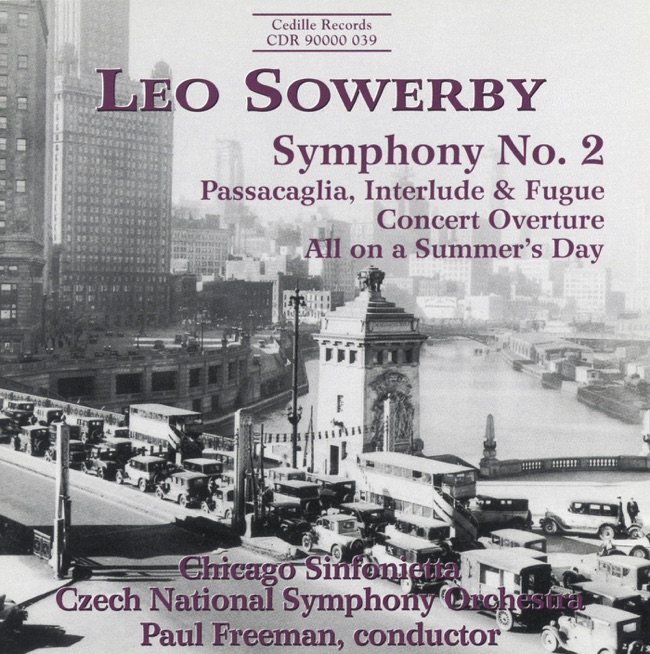
Passacaglia, Interlude and Fugue
Released Album
Recent Album
Featured Album
Works Info
Composer:Leo SowerbyGenre:OrchestralStyle:FugueAverage_duration:16:20Leo Sowerby's "Passacaglia, Interlude and Fugue" is a three-movement work for organ that was composed in 1948. The piece was premiered on November 14, 1948, at the National Cathedral in Washington, D.C., by the cathedral's organist, Paul Callaway. The first movement, the Passacaglia, is built on a repeating bass line that is heard throughout the entire movement. The bass line is presented in the opening bars and is then followed by a series of variations that gradually build in intensity and complexity. Sowerby's use of chromaticism and dissonance in the Passacaglia creates a sense of tension and drama that is sustained throughout the movement. The second movement, the Interlude, provides a moment of respite from the intensity of the Passacaglia. The Interlude is a slow, lyrical piece that features a simple melody played in the right hand over a gentle accompaniment in the left hand. The Interlude provides a contrast to the Passacaglia and serves as a moment of reflection before the final movement. The third movement, the Fugue, is a tour-de-force of contrapuntal writing. The Fugue is built on a subject that is presented in the opening bars and is then developed through a series of imitative entries in the different voices of the organ. Sowerby's use of counterpoint in the Fugue is masterful, with each voice weaving in and out of the texture in a complex and intricate manner. The Fugue builds to a thrilling climax before coming to a close with a final statement of the subject. Overall, Sowerby's "Passacaglia, Interlude and Fugue" is a powerful and virtuosic work for organ that showcases the composer's skill in both harmonic and contrapuntal writing. The piece is a staple of the organ repertoire and is frequently performed in recitals and church services.More....
Works Music
Released Music
Featured Music