


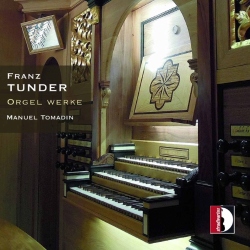
Franz Tunder
Was kann uns kommen an für Not, chorale prelude in F major
Released Album
Recent Album

Works Info
Composer:Franz TunderGenre:KeyboardStyle:KeyboardAverage_duration:17:25Franz Tunder was a German composer and organist who lived from 1614 to 1667. He was born in Lübeck, Germany, and spent most of his life there. Tunder was a prominent figure in the North German school of organ music, which was known for its complex polyphony and use of chorale melodies. One of Tunder's most famous works is the chorale prelude "Was kann uns kommen an für Not" in F major. This piece was composed in the mid-17th century and is believed to have been premiered in Lübeck, where Tunder served as the organist at the Marienkirche. The piece is structured in four movements, each of which is based on a different verse of the chorale. The first movement is a simple statement of the chorale melody in the upper voice, accompanied by a flowing, arpeggiated bass line. The second movement is more complex, with the melody appearing in the tenor voice and the other voices weaving intricate counterpoint around it. The third movement is a lively fugue, with the melody appearing in the soprano voice and the other voices entering one by one in imitation. The final movement is a grand chorale setting, with the melody appearing in the soprano voice and the other voices providing rich harmonies and ornamentation. Overall, "Was kann uns kommen an für Not" is a masterful example of Tunder's skill as a composer and organist. The piece showcases his ability to create complex polyphony while still maintaining a clear sense of melody and structure. It is a testament to the rich musical tradition of the North German school and remains a beloved work in the organ repertoire to this day.More....
Works Music
Released Music
1
12:59
2
13:
3
12:48
4
17:42