


Franz Liszt
Réminiscences de Lucrezia Borgia, Chanson à boire (after Donizetti), S. 400/2
Released Album
Recent Album


Works Info
Composer:Franz LisztGenre:KeyboardStyle:ChansonCompose Date:before 1848Publication Date:1848Average_duration:13:06Franz Liszt's 'Réminiscences de Lucrezia Borgia, Chanson à boire' is a virtuosic piano piece that was composed in 1840. It is based on themes from Gaetano Donizetti's opera 'Lucrezia Borgia', which premiered in 1833. The piece is part of Liszt's larger collection of piano works known as 'Réminiscences', which are arrangements of famous operas and ballets. The 'Réminiscences de Lucrezia Borgia, Chanson à boire' is divided into three movements. The first movement is a slow and melancholic introduction that sets the mood for the piece. It features a lyrical melody that is played in the right hand while the left hand provides a simple accompaniment. The second movement is a fast and lively scherzo that is based on the drinking song from 'Lucrezia Borgia'. It is characterized by its playful and virtuosic piano writing, which includes rapid runs, trills, and arpeggios. The third movement is a grand finale that combines elements from the previous two movements. It features a triumphant melody that is played in octaves and is accompanied by a fast and energetic piano part. The 'Réminiscences de Lucrezia Borgia, Chanson à boire' is a challenging piece that requires a high level of technical skill from the performer. It is known for its virtuosic piano writing, which includes rapid runs, trills, and arpeggios. The piece also showcases Liszt's ability to create a wide range of moods and emotions through his music. The slow and melancholic introduction sets a somber tone, while the fast and lively scherzo is playful and energetic. The grand finale is triumphant and celebratory, bringing the piece to a satisfying conclusion. Overall, the 'Réminiscences de Lucrezia Borgia, Chanson à boire' is a masterful piano piece that showcases Liszt's virtuosity and ability to create a wide range of emotions through his music. Its use of themes from Donizetti's opera adds an extra layer of depth and meaning to the piece, making it a must-hear for fans of both Liszt and opera.More....
Works Music
Released Music
1
Réminiscences de Lucrezia Borgia, Chanson à boire (after Donizetti), p. 400/2
Fantaisie sur der motifs favoris de Lucrezia Borgia de Donizetti, S400/R154 (1st version of Réminiscences de Lucrezia Borgia: II. Chanson à Boire - (Orgie) Duo - Finale)
14:46
2

Réminiscences de Lucrezia Borgia, Chanson à boire (after Donizetti), p. 400/2
Réminiscences de Lucrezia Borgia S400 (Grande fantaisie sur des motifs de l'opéra de Donizetti) II. Chanson à boire (Orgie) — Duo — Finale
13:57
3
Réminiscences de Lucrezia Borgia, Chanson à boire (after Donizetti), p. 400/2
Réminiscences de Lucrezia Borgia - Grande Fantaisie II S. 400/2: 2de Partie: Chanson à boire [Orgie] - Duo - Finale [Second Version]
13:53
4
13:57
5
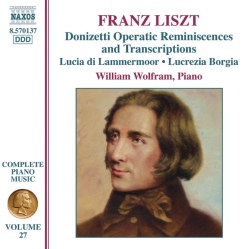
10:1
6
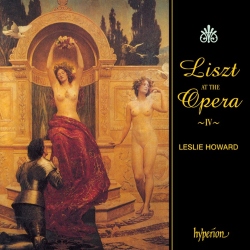
14:31
7
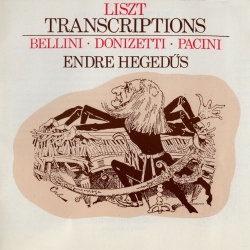
14:46