Karl Ditters von Dittersdorf
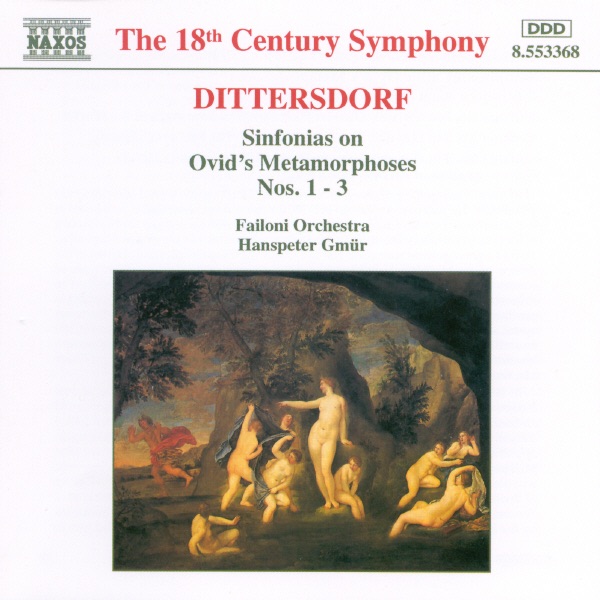
Symphony after Ovid's "Metamorphoses" No. 3 in G major "Verwandlung Aktäons in einen Hirsch"
Released Album
Recent Album
Works Info
Composer:Karl Ditters von DittersdorfGenre:SymphonyStyle:SymphonyCompose Date:1783Average_duration:21:05Movement_count:4Movement ....Karl Ditters von Dittersdorf's Symphony after Ovid's Metamorphoses No. 3 in G major, also known as Verwandlung Aktäons in einen Hirsch, was composed in 1785. The symphony is based on the story of Actaeon, a hunter who stumbled upon the goddess Diana bathing in a stream and was turned into a stag as punishment. The symphony is divided into four movements. The first movement, marked Allegro, begins with a lively and energetic theme that sets the tone for the entire piece. The second movement, marked Andante, is a slower and more contemplative section that features a beautiful melody played by the strings. The third movement, marked Menuetto, is a playful and dance-like section that features a lively theme played by the woodwinds. The final movement, marked Presto, is a fast and exciting section that brings the symphony to a thrilling conclusion. One of the most notable characteristics of this symphony is its use of programmatic elements. Dittersdorf was known for his interest in program music, which is music that tells a story or depicts a scene. In this symphony, Dittersdorf uses the music to depict the transformation of Actaeon into a stag. The opening theme of the first movement is meant to represent Actaeon's hunting horn, while the sudden changes in tempo and dynamics throughout the piece are meant to represent the various stages of Actaeon's transformation. Overall, Dittersdorf's Symphony after Ovid's Metamorphoses No. 3 in G major is a masterful example of program music. The composer's use of musical elements to tell a story is both innovative and effective, and the symphony remains a popular and beloved work to this day.More....
Works Music
Released Music
1

6:14
2
6:43