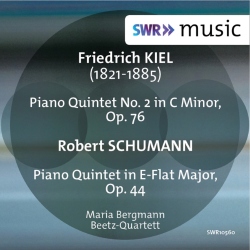
Friedrich Kiel
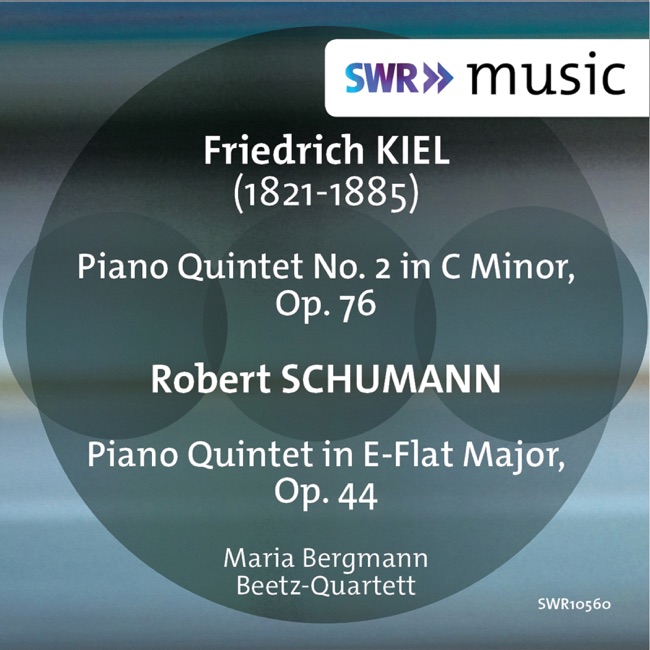
Quintet for piano & strings, No. 2 in C, Op. 76
Released Album
Recent Album
Works Info
Composer:Friedrich KielGenre:ChamberStyle:QuintetAverage_duration:31:46Friedrich Kiel's Quintet for piano and strings No. 2 in C, Op. 76 is a chamber music work that was composed in 1881. The piece was premiered in Berlin on January 25, 1882, with Kiel himself playing the piano part. The quintet is divided into four movements, each with its own distinct characteristics. The first movement, marked Allegro moderato, begins with a lively and energetic piano introduction that sets the tone for the entire piece. The strings soon join in with a lyrical melody that is passed back and forth between the instruments. The movement is characterized by its use of counterpoint and its frequent changes in tempo and mood. The second movement, marked Andante con moto, is a slow and melancholic piece that features a beautiful melody played by the cello. The piano provides a delicate accompaniment, while the violins and viola add depth and texture to the overall sound. The movement is notable for its use of chromaticism and its expressive use of dynamics. The third movement, marked Scherzo: Allegro vivace, is a lively and playful piece that features a fast and intricate piano part. The strings provide a rhythmic accompaniment, while the piano takes center stage with a series of virtuosic runs and arpeggios. The movement is characterized by its use of syncopation and its playful, almost whimsical, tone. The final movement, marked Allegro con fuoco, is a fast and fiery piece that brings the quintet to a thrilling conclusion. The piano and strings engage in a lively and energetic dialogue, with each instrument taking turns leading the way. The movement is characterized by its use of syncopation, its frequent changes in tempo and mood, and its overall sense of excitement and energy. Overall, Kiel's Quintet for piano and strings No. 2 in C, Op. 76 is a masterful work of chamber music that showcases the composer's skill and creativity. Its use of counterpoint, chromaticism, and dynamic contrasts make it a challenging and rewarding piece for both performers and listeners alike.More....
Works Music
Released Music