


Friedrich Kiel
Released Album
Chamber
-
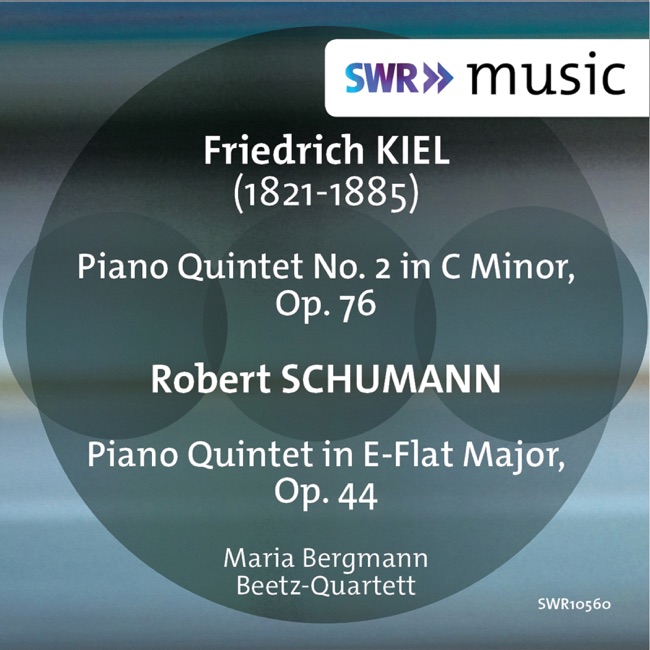 April 12, 2019
 -
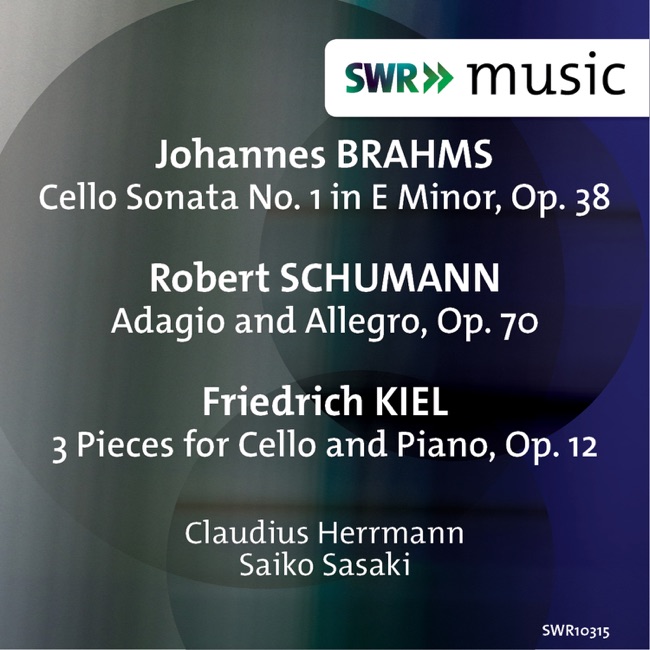 February 1, 2016
 -
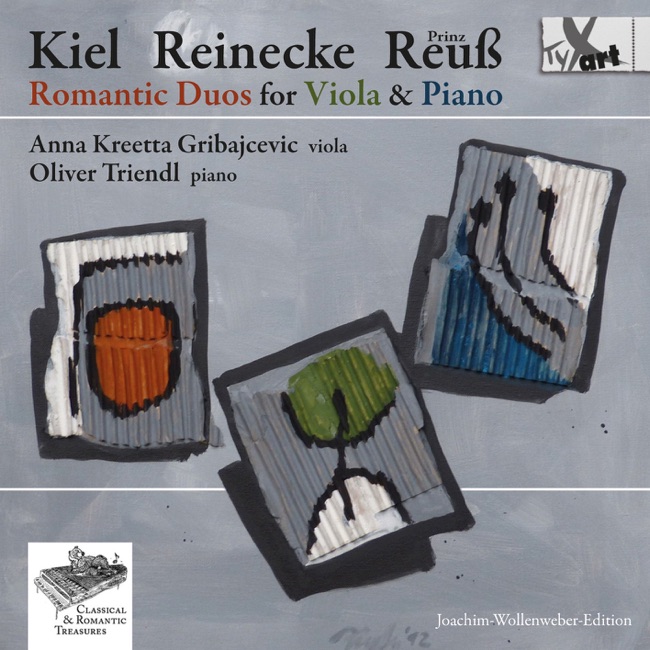 November 13, 2015
 -
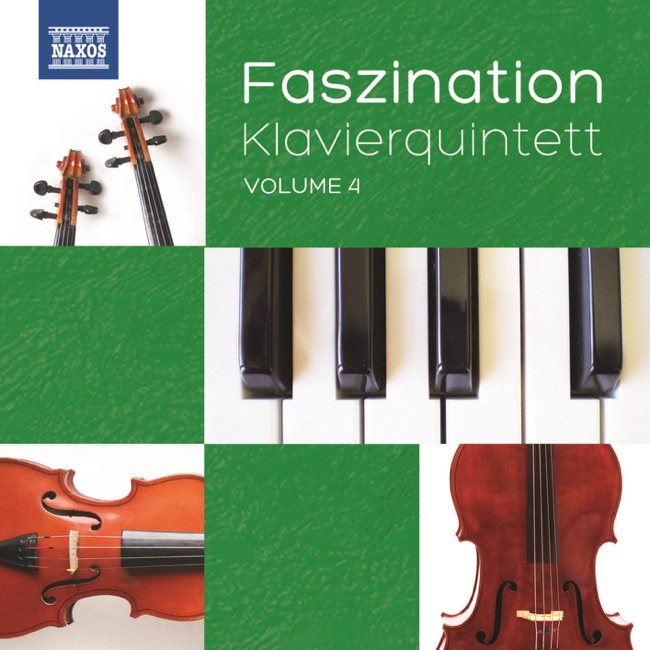 July 7, 2015
 -
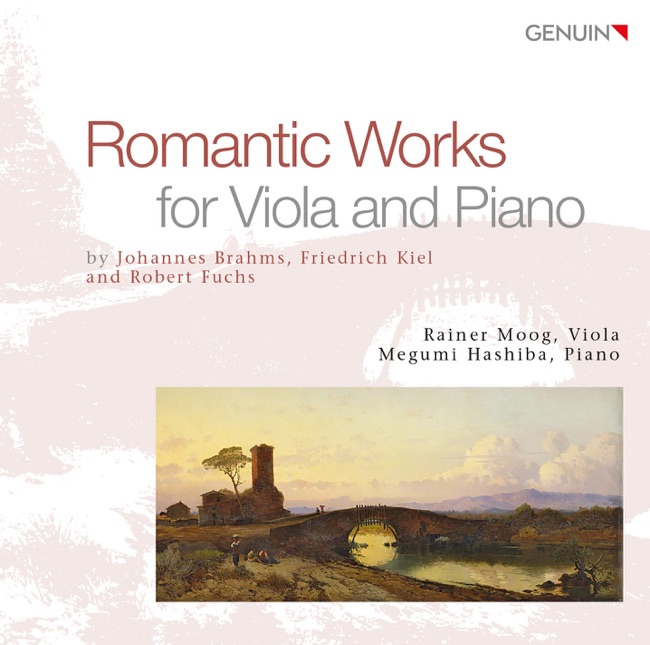 August 12, 2014
 -
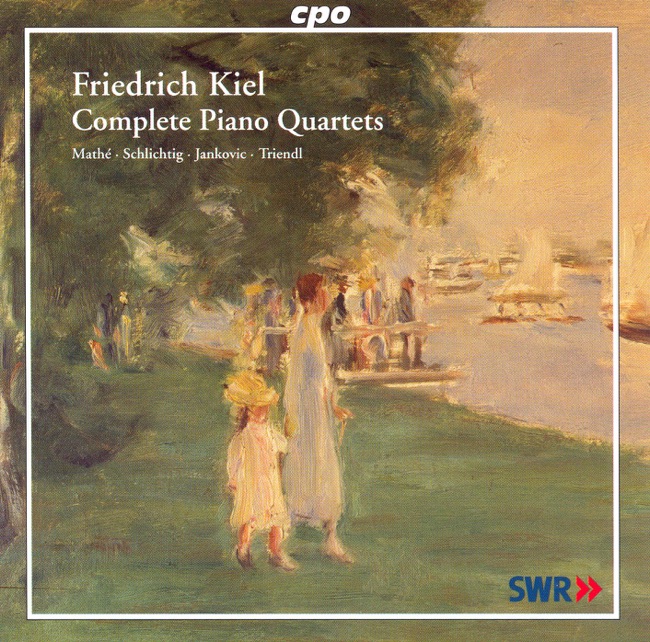 January 1, 2008
Choral
-
 April 7, 2017
 -
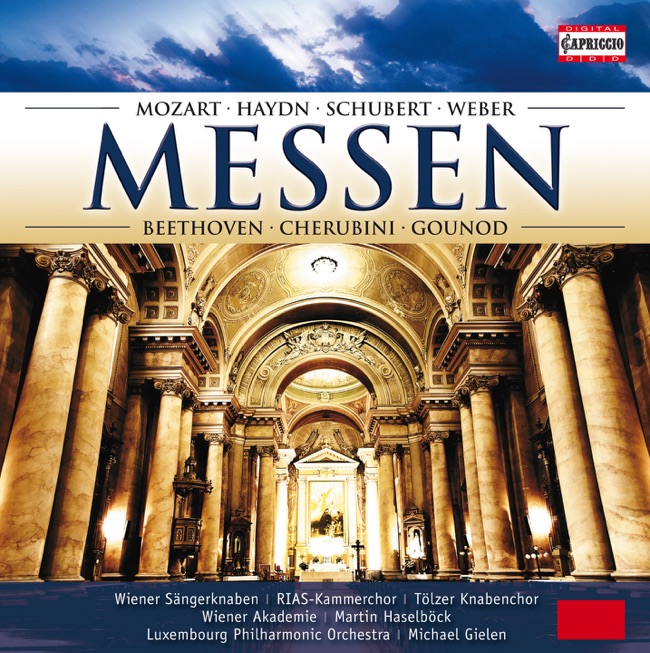 March 26, 2013
 -
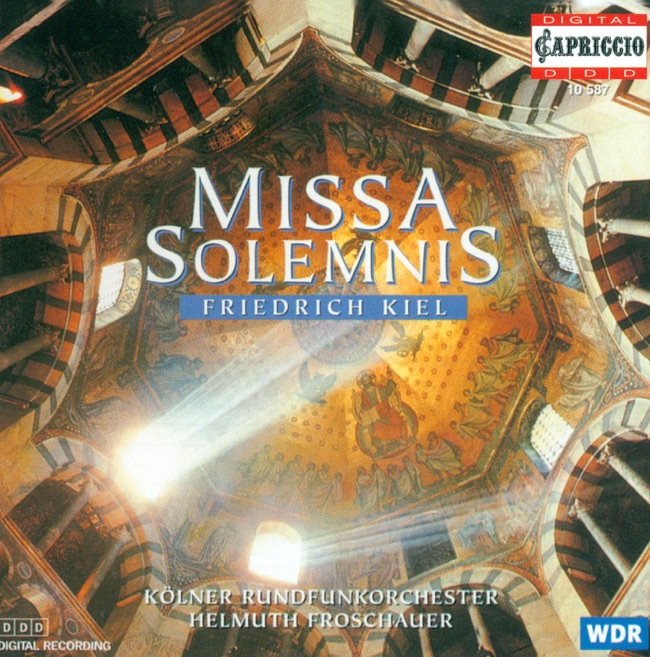 August 25, 1998
Artist Info
Role:ComposerCountry: GermanyBirth:October 7, 1821 in PuderbachDeath:September 13, 1885 in Berlin, GermanyPeriod:RomanticGenre:ChamberFriedrich Kiel was a German composer and cellist who lived from 1821 to 1885. He was born in Bad Laasphe, a small town in the state of North Rhine-Westphalia, Germany. Kiel's father was a musician and taught him to play the cello at a young age. Kiel showed great talent and was soon performing in local concerts. In 1838, Kiel moved to Berlin to study music at the Royal Academy of Music. He studied composition with Carl Friedrich Rungenhagen and cello with Adolph Friedrich Erdmann von Menzel. Kiel was a diligent student and quickly became known for his talent as a cellist. He graduated from the academy in 1842 and began his career as a professional musician. Kiel's early compositions were influenced by the Romantic style of music that was popular in Germany at the time. He wrote several works for cello and piano, including his Opus 1, a set of variations on a theme by Franz Schubert. Kiel also wrote chamber music, including string quartets and piano trios. In 1855, Kiel was appointed as a professor of cello at the Royal Academy of Music in Berlin. He held this position for the rest of his life and was highly respected as a teacher. Kiel's students included several notable cellists, including Hugo Becker and Julius Klengel. Kiel continued to compose throughout his career, and his style evolved over time. He began to incorporate elements of classical music into his compositions, and his later works were more restrained and formal than his earlier pieces. Kiel's music was well-regarded by his contemporaries, but he is not as well-known today as some of his peers, such as Johannes Brahms and Richard Wagner. One of Kiel's most famous works is his Symphony No. 1 in D minor, Op. 30. The symphony was composed in 1862 and premiered in Berlin the following year. The work is in four movements and features a prominent role for the cello, which was Kiel's instrument. The symphony is notable for its use of counterpoint and its complex harmonies. Kiel also wrote several operas, although these were not as successful as his instrumental works. His most famous opera is Don Ranudo, which premiered in Berlin in 1871. The opera is a comic work that tells the story of a Spanish nobleman who is tricked into believing that he is a great warrior. In addition to his compositions, Kiel was also a respected music critic. He wrote for several German newspapers and magazines, including the Berliner Allgemeine Musikalische Zeitung and the Neue Berliner Musikzeitung. Kiel's reviews were known for their insightful analysis and their attention to detail. Kiel died in Berlin in 1885 at the age of 64. He was buried in the St. Hedwig's Cemetery in Berlin. Although Kiel's music is not as well-known as that of some of his contemporaries, he was a respected composer and teacher who made significant contributions to the development of classical music in Germany.More....
Recent Artist Music
8
8:15

Copyright Ⓒ 2013 Davinci Finger. All rights reseved
Service Terms & Policy