


Igor Stravinsky
Epitaphium für das Grabmal des Prinzen Max Egon zu Fürstenberg
Released Album
Recent Album


Works Info
Composer:Igor StravinskyGenre:ChamberStyle:Open FormCompose Date:1959First Performance:Oct 17, 1959Average_duration:1:27Igor Stravinsky's "Epitaphium für das Grabmal des Prinzen Max Egon zu Fürstenberg" is a short, somber work for flute, clarinet, and harp. It was composed in 1959 as a tribute to Prince Max Egon zu Fürstenberg, a German aristocrat and patron of the arts who had died the previous year. The piece was premiered on October 23, 1959, in Donaueschingen, Germany, as part of the Donaueschingen Festival. The work is divided into three movements, each of which is marked by a slow, mournful tempo. The first movement, "Lento," begins with a simple, plaintive melody played by the flute and clarinet in unison. The harp enters shortly thereafter, providing a delicate, shimmering accompaniment. The melody is repeated several times, with subtle variations and ornamentation, before the movement fades away into silence. The second movement, "Allegro," is more lively and rhythmic than the first. The flute and clarinet play a syncopated, jazzy melody over a pulsing harp accompaniment. The mood is still mournful, but there is a sense of energy and movement that was absent from the first movement. The movement ends abruptly, with a sudden, dissonant chord. The final movement, "Lento," returns to the slow, mournful mood of the first. The flute and clarinet play a haunting, melancholy melody, while the harp provides a gentle, arpeggiated accompaniment. The melody is repeated several times, with subtle variations and ornamentation, before the piece fades away into silence. Overall, "Epitaphium für das Grabmal des Prinzen Max Egon zu Fürstenberg" is a deeply introspective and elegiac work. Stravinsky's use of a small ensemble and sparse textures creates a sense of intimacy and introspection, while the slow tempos and mournful melodies convey a sense of grief and loss. The work is a fitting tribute to Prince Max Egon zu Fürstenberg, and a testament to Stravinsky's ability to create powerful emotional effects with minimal means.More....
Works Music
Released Music
1
1:9
2
Epitaph for the tomb of Prince Max Egon zu Fürstenberg
Epitaphium fur das Grabmal des Prinzen Max Egon zu Furstenberg
1:24
3

1:9
4
Epitaph for the tomb of Prince Max Egon zu Fürstenberg
Epitaphium for Flute, Clarinet and Harp
1:37
5
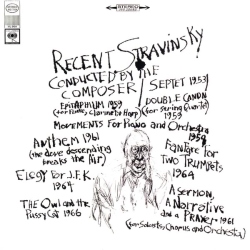
1:9
6

1:9
7
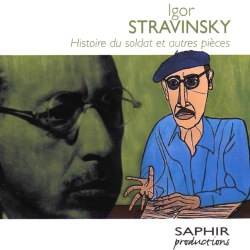
1:24