


Charles Avison
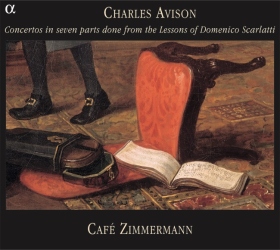
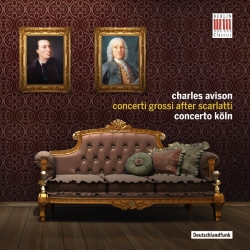
Concerto grosso No. 9 in C major (after Scarlatti)
Released Album
Recent Album
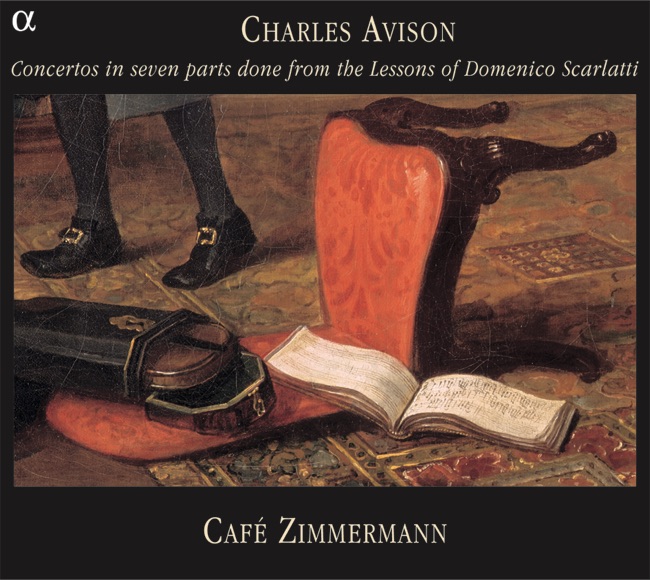
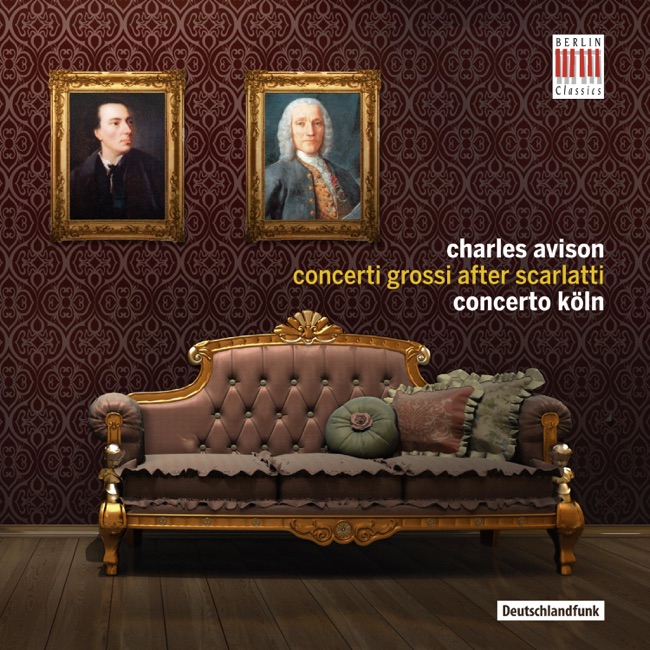
Featured Album
Works Info
Composer:Charles AvisonGenre:ConcertoStyle:ConcertoAverage_duration:15:40Movement_count:4Movement ....Charles Avison was an English composer and organist who lived from 1709 to 1770. He is best known for his Concerti Grossi, a collection of twelve works that were published in 1766. The ninth concerto in this collection is in C major and is based on the music of Domenico Scarlatti. The Concerto Grosso No. 9 in C major (after Scarlatti) was composed by Avison in the mid-18th century. It was first performed in Newcastle upon Tyne, England, in 1758. The concerto is in three movements, as was typical of the Baroque concerto grosso form. The first movement is marked Allegro and is in a fast tempo. It begins with a lively and energetic theme that is passed between the soloists and the orchestra. The soloists are a group of two violins and a cello, known as the concertino. The orchestra, known as the ripieno, provides a rich and full accompaniment to the soloists. The movement features a number of virtuosic passages for the soloists, as well as some intricate counterpoint between the concertino and ripieno. The second movement is marked Largo and is in a slow tempo. It features a beautiful and expressive melody that is played by the concertino. The ripieno provides a simple and understated accompaniment, allowing the melody to shine. The movement is notable for its use of suspensions and dissonances, which create a sense of tension and release. The third movement is marked Allegro and is in a fast tempo. It is a lively and joyful dance that features a number of playful and syncopated rhythms. The movement is characterized by its use of imitation, with the soloists and orchestra passing the main theme back and forth. The movement builds to a thrilling conclusion, with the soloists and orchestra playing in unison. Overall, the Concerto Grosso No. 9 in C major (after Scarlatti) is a delightful and engaging work that showcases Avison's skill as a composer. It is a testament to the enduring popularity of the concerto grosso form, which remained popular throughout the Baroque era and beyond.More....
Works Music
Released Music
1
2:13
Featured Music
1
1:51
3
3:18