


Jan Krtitel Jiri Neruda
Concerto for trumpet & strings in E flat major
Released Album
Recent Album
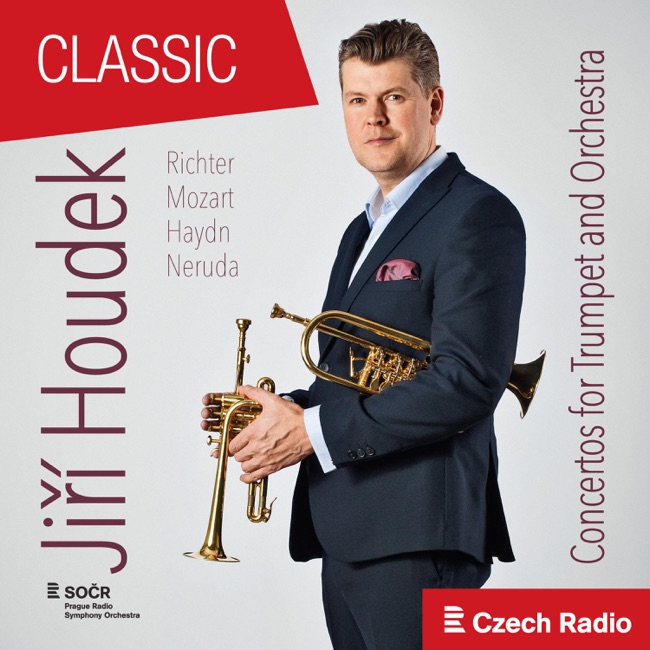
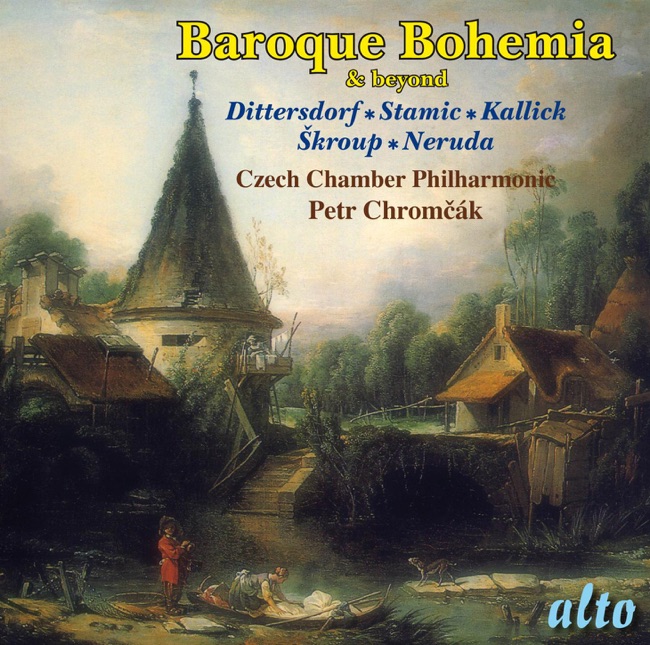
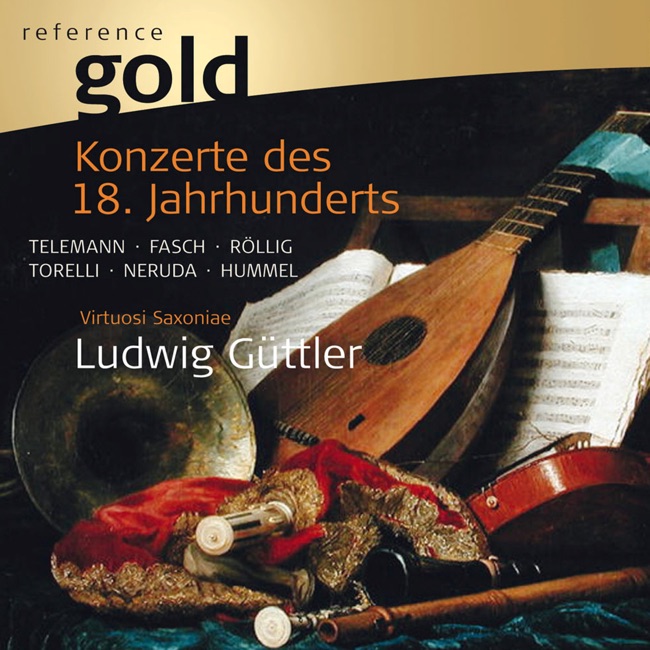
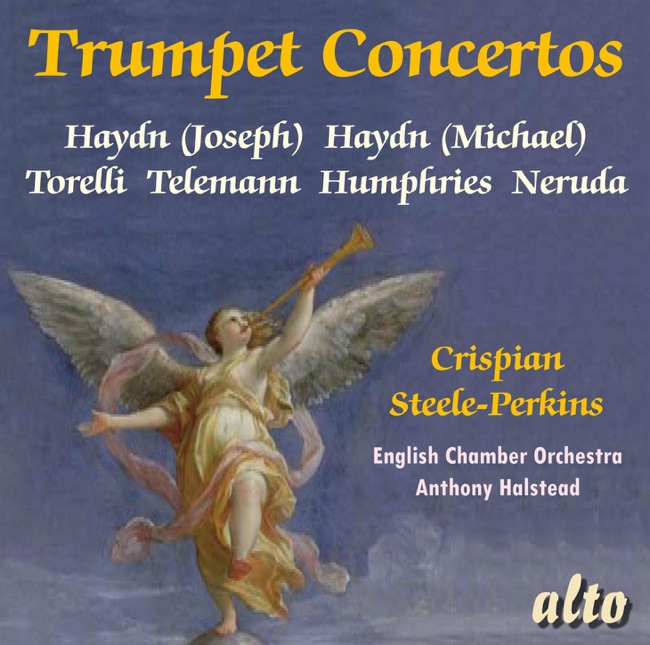
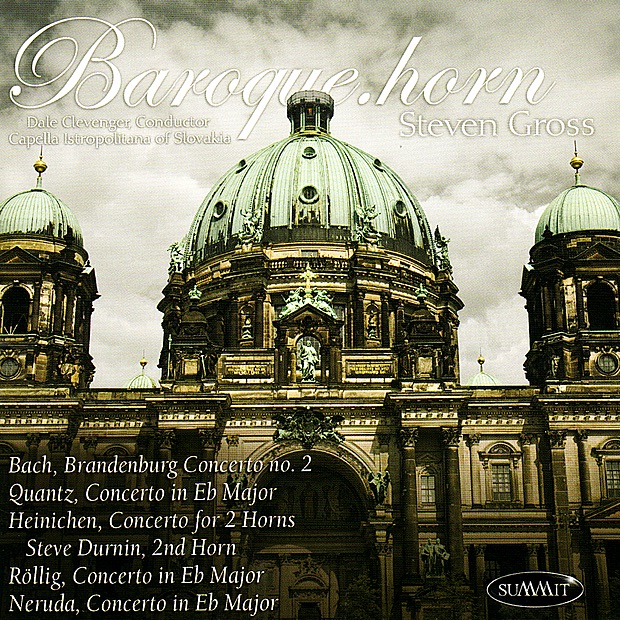
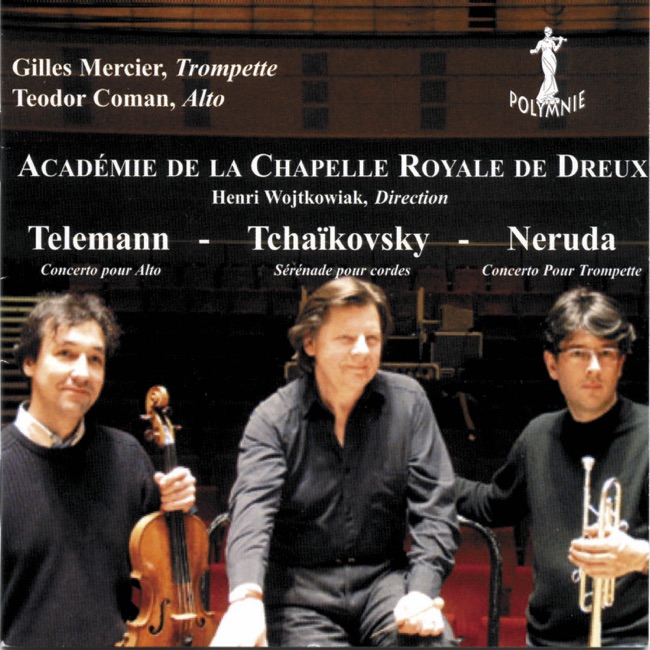
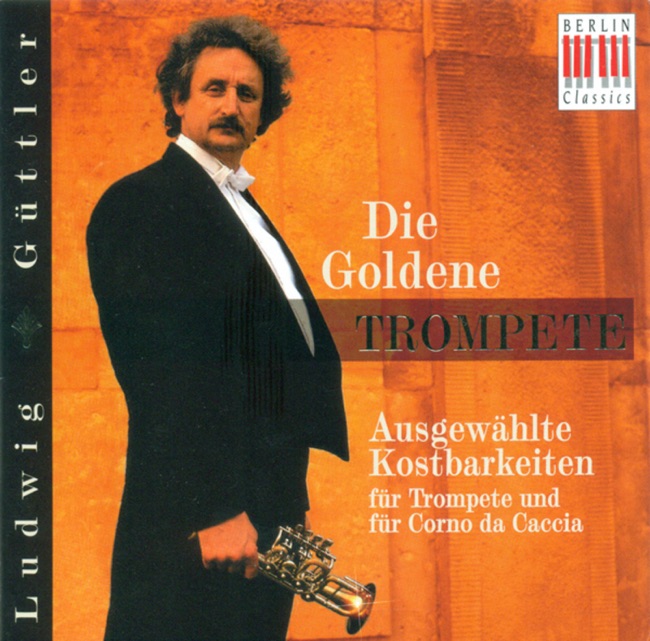
Featured Album
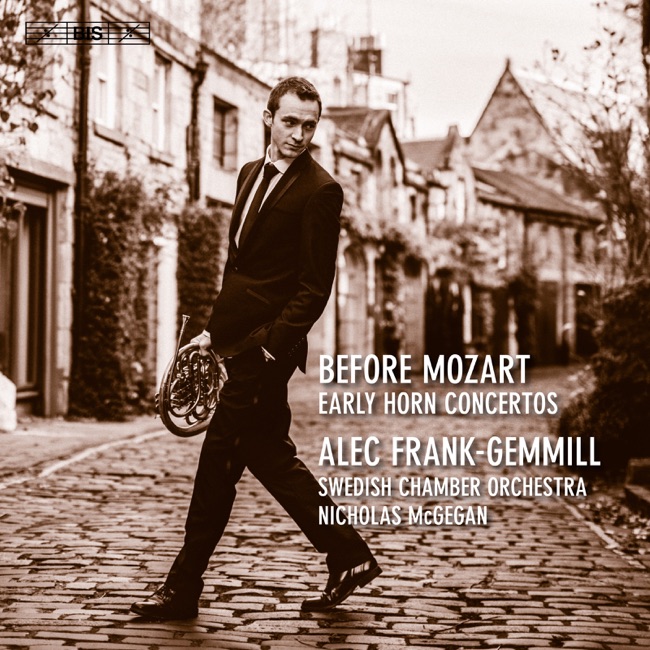
Works Info
Composer:Jan Krtitel Jiri NerudaGenre:ConcertoStyle:ConcertoAverage_duration:15:19Movement_count:3Movement ....The Concerto for Trumpet and Strings in E flat major was composed by Jan Krtitel Jiri Neruda, a Czech composer and violinist, in the mid-18th century. The exact date of composition is unknown, but it is believed to have been written between 1730 and 1760. The concerto is in three movements: Allegro, Largo, and Vivace. The first movement, Allegro, is characterized by its lively and energetic tempo, with the trumpet and strings engaging in a playful dialogue. The second movement, Largo, is a slow and lyrical adagio, with the trumpet taking center stage and showcasing its expressive capabilities. The final movement, Vivace, is a fast and lively dance-like movement, with the trumpet and strings engaging in a virtuosic display of technical skill. The concerto is notable for its use of the trumpet as a solo instrument, which was a relatively new development at the time of its composition. Neruda's use of the trumpet as a solo instrument helped to establish it as a legitimate solo instrument in classical music, paving the way for future composers to write for the instrument. The concerto is also notable for its use of the E flat major key, which was a popular key for trumpet music at the time. The key allowed for the trumpet to showcase its bright and brilliant sound, while also allowing for a range of technical and expressive possibilities. The concerto premiered in Prague, likely in the mid-18th century, and quickly became a popular piece in the trumpet repertoire. It has since been performed and recorded by numerous trumpet players and orchestras around the world, cementing its place as a classic work in the trumpet repertoire.More....
Works Music
Released Music
1
5:58
2
5:45
3
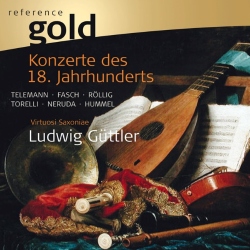
6:38
4
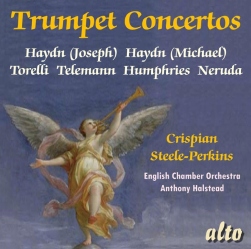
5:32
5
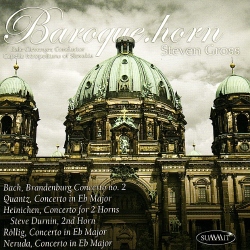
6:12
6
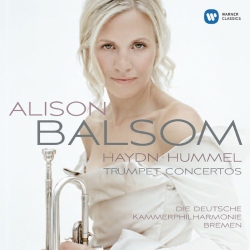
5:13
7
4:51
8
4:51
9
4:59
Featured Music
1
5:31
2
4:24
3
4:35