Heinrich Scheidemann
Dixit Maria ad Angelum, WV 52 (after Hassler)
Released Album
Recent Album

Featured Album
Works Info
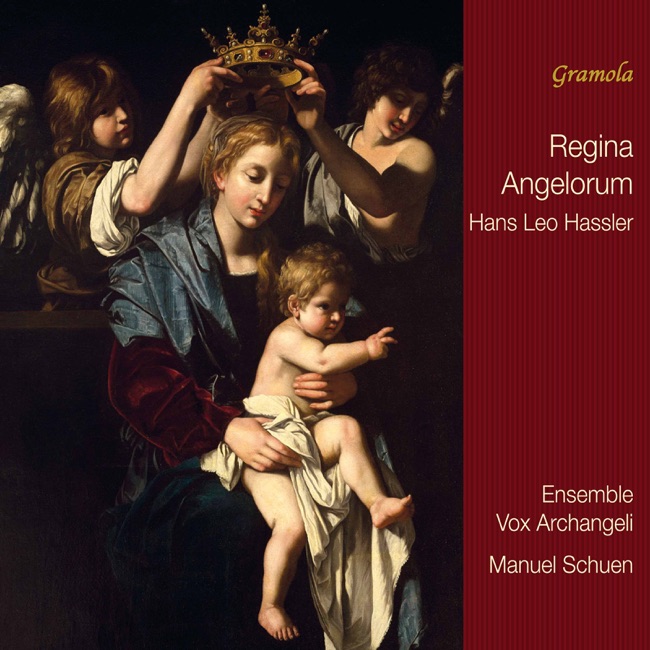
Composer:Heinrich ScheidemannGenre:KeyboardAverage_duration:4:47Heinrich Scheidemann was a German composer and organist who lived during the early Baroque period. He was born in Hamburg in 1595 and died there in 1663. Scheidemann was a student of Jan Pieterszoon Sweelinck, the famous Dutch organist and composer, and he became one of the most important composers of his time in northern Germany. One of Scheidemann's most famous works is his setting of the Latin text "Dixit Maria ad Angelum," which translates to "Mary said to the angel." This piece is also known as WV 52 (after Hassler), as it is based on a motet by Hans Leo Hassler. Scheidemann's "Dixit Maria ad Angelum" was composed in the early 17th century, although the exact date is unknown. It is a sacred vocal work that was likely intended for performance during the Christmas season. The piece is written for four voices (soprano, alto, tenor, and bass) and is accompanied by a continuo part for organ or other keyboard instrument. The work is divided into three movements. The first movement begins with a solo soprano voice singing the text "Dixit Maria ad Angelum" ("Mary said to the angel"). The other voices then join in, creating a rich and complex texture. The second movement is a duet for alto and tenor voices, with the text "Ecce ancilla Domini" ("Behold the handmaid of the Lord"). The final movement is a four-part setting of the text "Et verbum caro factum est" ("And the Word was made flesh"). Scheidemann's setting of "Dixit Maria ad Angelum" is characterized by its rich harmonies, complex counterpoint, and expressive use of dissonance. The piece is also notable for its use of chromaticism, which was a hallmark of the early Baroque period. The work is a beautiful example of the sacred vocal music of the time, and it remains a popular piece in the choral repertoire today.More....
Works Music
Released Music
2
3:47
Featured Music