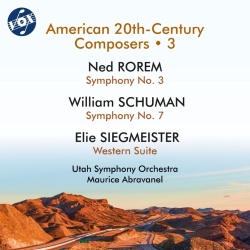
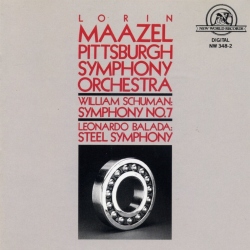
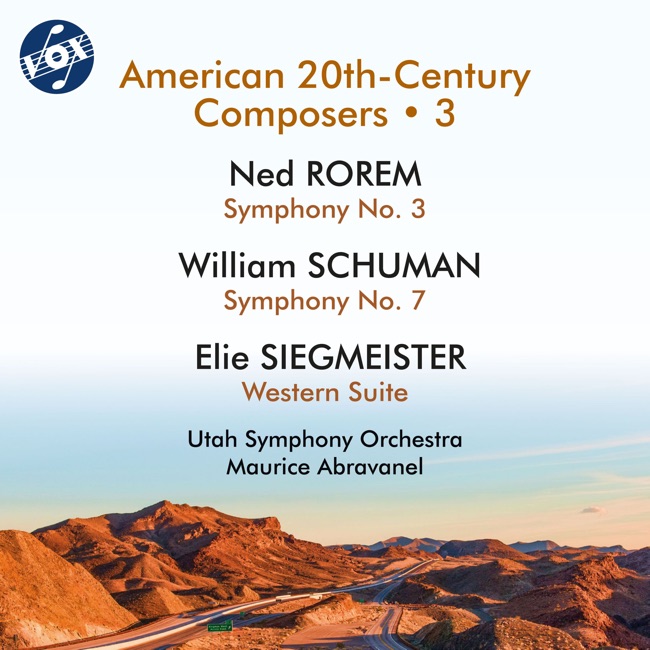
William Schuman
Symphony No. 7
Released Album
Recent Album
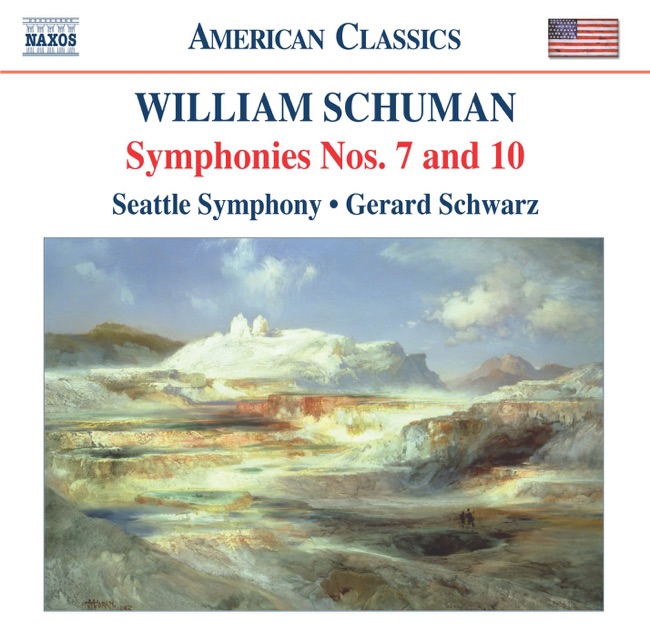
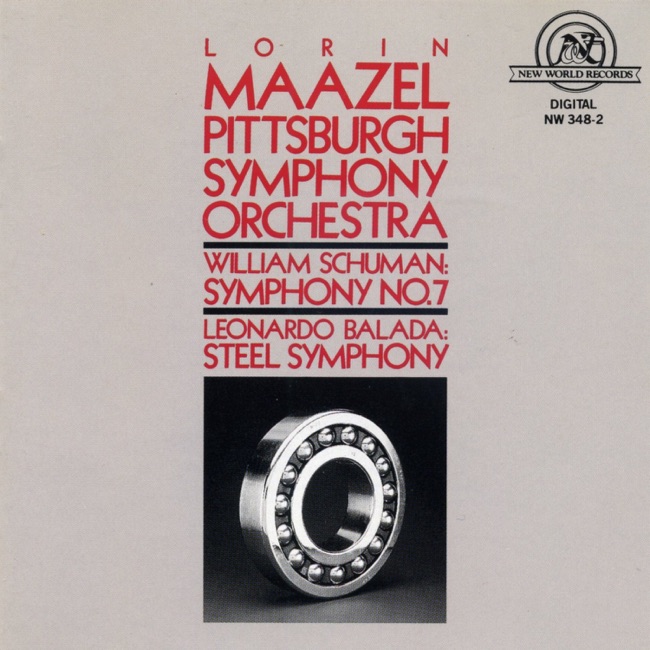
Works Info
Composer:William SchumanGenre:SymphonyStyle:SymphonyCompose Date:1960First Performance:Oct 21, 1960Average_duration:28:44Movement_count:4Movement ....Symphony No. 7 is a composition by American composer William Schuman. It was composed in 1960 and premiered on April 5, 1961, by the Boston Symphony Orchestra under the direction of Charles Munch. The symphony is divided into four movements and has a total duration of approximately 25 minutes. The first movement, marked "Moderato," begins with a slow, mysterious introduction featuring the strings and woodwinds. The main theme is then introduced by the brass, which is characterized by its rhythmic drive and syncopated accents. The movement is structured in a sonata form, with the development section featuring a fugue-like texture and a prominent role for the percussion section. The second movement, marked "Lento," is a slow and introspective adagio. It features a hauntingly beautiful melody played by the strings, which is then taken up by the woodwinds and brass. The movement is notable for its use of dissonant harmonies and chromaticism, which create a sense of tension and unease. The third movement, marked "Allegro vivace," is a lively scherzo. It features a playful and energetic theme played by the woodwinds, which is then developed and expanded upon by the full orchestra. The movement is characterized by its rhythmic vitality and use of syncopation, as well as its frequent changes in tempo and meter. The final movement, marked "Lento - Allegro molto," is a rousing and triumphant finale. It begins with a slow and solemn introduction featuring the brass and percussion, which then gives way to a fast and frenzied allegro. The movement is characterized by its use of driving rhythms, soaring melodies, and powerful brass fanfares. It builds to a thrilling climax before ending with a triumphant coda. Overall, Symphony No. 7 is a powerful and dynamic work that showcases Schuman's skill as a composer. It is notable for its use of complex harmonies, rhythmic vitality, and dramatic contrasts, as well as its ability to evoke a wide range of emotions and moods.More....