Johann Pachelbel
Magnificat Fugue in tone 1, No. 4, T. 104
Released Album
Recent Album
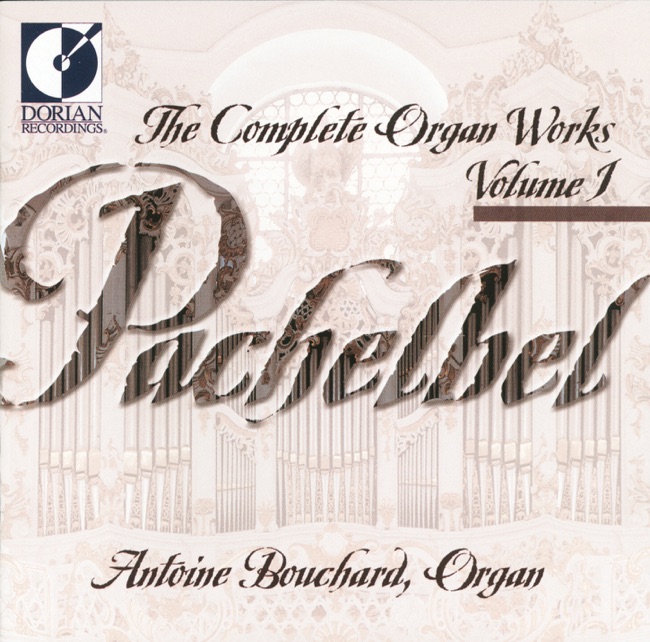
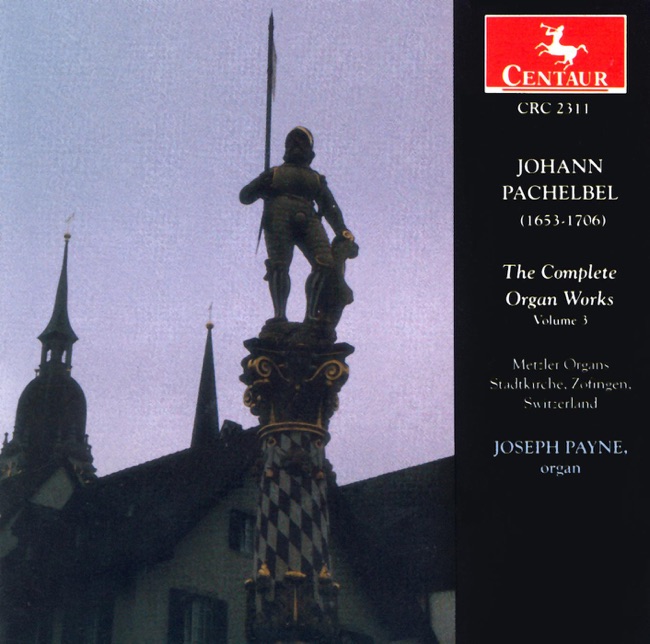
Works Info
Composer:Johann PachelbelGenre:KeyboardStyle:FugueCompose Date:before Apr 1706Average_duration:1:29Johann Pachelbel's Magnificat Fugue in tone 1, No. 4, T. 104 is a choral work that was composed in the Baroque era. It was written for a choir and orchestra and is based on the text of the Magnificat, a hymn of praise from the Gospel of Luke. The piece is divided into several movements, each with its own unique characteristics. The Magnificat Fugue in tone 1, No. 4, T. 104 was composed in the late 17th century, around 1690. It was first performed in Pachelbel's hometown of Nuremberg, Germany, and quickly became popular throughout Europe. The piece is written in the key of D major and is scored for choir, strings, and continuo. The first movement of the Magnificat Fugue in tone 1, No. 4, T. 104 is a fugue, which is a type of composition in which a melody is introduced and then imitated by other voices. The fugue begins with a lively and energetic theme that is passed between the different sections of the choir. The theme is then developed and expanded upon, with each voice adding its own unique contribution to the overall texture of the piece. The second movement of the Magnificat Fugue in tone 1, No. 4, T. 104 is a slower and more contemplative aria. The soloist sings a beautiful melody that is accompanied by the strings and continuo. The aria is characterized by its expressive and emotional qualities, which are enhanced by the use of chromatic harmonies and dissonances. The third movement of the Magnificat Fugue in tone 1, No. 4, T. 104 is a lively and joyful chorus. The choir sings a celebratory hymn of praise, with each voice contributing to the overall texture of the piece. The chorus is characterized by its rhythmic energy and exuberance, which are enhanced by the use of syncopated rhythms and dynamic contrasts. The fourth and final movement of the Magnificat Fugue in tone 1, No. 4, T. 104 is a fugue that is similar in style to the first movement. The theme is introduced and then imitated by the different sections of the choir, with each voice contributing to the overall texture of the piece. The fugue builds to a climax before resolving in a triumphant and joyful conclusion. Overall, the Magnificat Fugue in tone 1, No. 4, T. 104 is a beautiful and expressive choral work that showcases Pachelbel's skill as a composer. The piece is characterized by its use of intricate counterpoint, expressive harmonies, and dynamic contrasts, which combine to create a powerful and moving musical experience.More....
Works Music