Gustav Schreck
Sonata for bassoon & piano, Op. 9
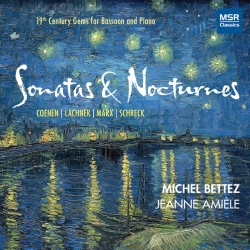
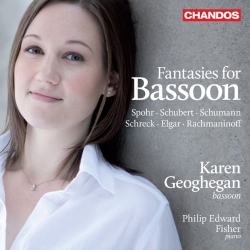
Released Album
Recent Album
Works Info
Composer:Gustav SchreckGenre:ChamberStyle:SonataAverage_duration:15:26Movement_count:3Movement ....The Sonata for bassoon & piano, Op. 9, was composed by Gustav Schreck, a German composer, conductor, and music educator. The piece was composed in 1874 and premiered in the same year. The sonata consists of three movements: Allegro moderato, Andante, and Allegro vivace. The first movement, Allegro moderato, begins with a lively and energetic theme played by the bassoon, which is then echoed by the piano. The movement is characterized by its playful and cheerful melodies, which are contrasted by more contemplative and introspective sections. The bassoon and piano engage in a lively dialogue throughout the movement, with each instrument taking turns leading the melody. The second movement, Andante, is a slow and lyrical piece that showcases the expressive capabilities of the bassoon. The movement begins with a mournful melody played by the bassoon, which is then taken up by the piano. The bassoon and piano engage in a delicate and intimate conversation, with the bassoon playing long, sustained notes that are punctuated by the piano's gentle accompaniment. The final movement, Allegro vivace, is a lively and energetic piece that brings the sonata to a rousing conclusion. The movement is characterized by its fast-paced rhythms and playful melodies, which are reminiscent of a lively dance. The bassoon and piano engage in a spirited dialogue, with each instrument taking turns leading the melody and engaging in playful musical banter. Overall, the Sonata for bassoon & piano, Op. 9, is a charming and delightful piece that showcases the expressive capabilities of the bassoon. Schreck's skillful use of melody, harmony, and rhythm creates a work that is both playful and introspective, and that highlights the unique qualities of the bassoon as a solo instrument.More....