François Roberday
Fugues et caprices à quatre parties
Released Album
Recent Album
Featured Album
Works Info
Composer:François RoberdayGenre:MiscellaneousStyle:FugueAverage_duration:3:20François Roberday was a French composer and organist who lived during the Baroque era. He is best known for his collection of organ music titled "Fugues et caprices à quatre parties," which was published in 1660. The collection consists of 12 pieces, each of which is a four-part fugue or caprice. The pieces are written in a variety of keys and feature a range of tempos and moods. The collection is notable for its use of counterpoint and its intricate harmonies. The premiere of "Fugues et caprices à quatre parties" is not well-documented, but it is likely that Roberday performed the pieces himself on the organ. The collection was published in Paris in 1660, and it quickly became popular among organists and music enthusiasts. The first movement of each piece is a fugue, which is a type of composition that features a main theme (called the subject) that is introduced in one voice and then imitated by the other voices. The fugues in "Fugues et caprices à quatre parties" are complex and highly structured, with each voice contributing to the overall texture of the piece. The second movement of each piece is a caprice, which is a type of composition that is more free-form than a fugue. The caprices in "Fugues et caprices à quatre parties" are characterized by their virtuosic passages and their use of unexpected harmonies and rhythms. Overall, "Fugues et caprices à quatre parties" is a challenging and rewarding collection of organ music that showcases Roberday's skill as a composer and his mastery of counterpoint. The pieces are still performed today by organists around the world, and they continue to be admired for their beauty and complexity.More....
Works Music
Released Music
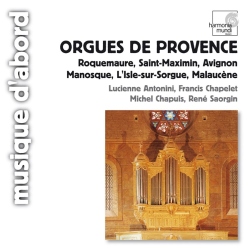

Featured Music