


Wolfgang Amadeus Mozart
Symphony in D major (after the Serenade No. 1), K. 100 (62a)
Released Album
Recent Album

Featured Album
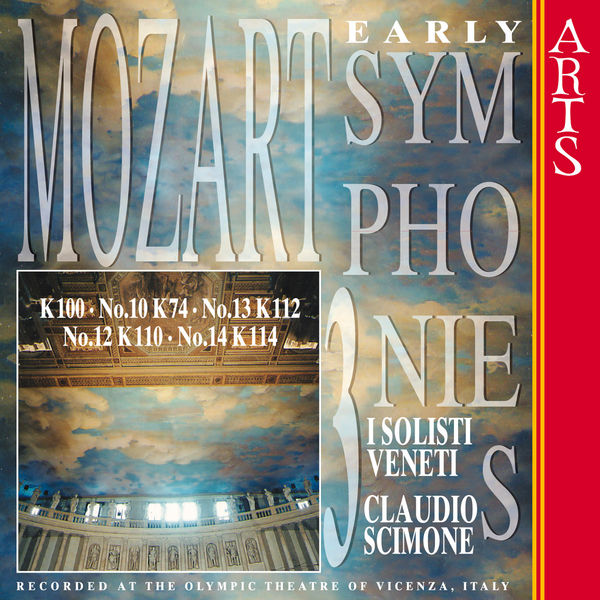
Works Info
Composer:Wolfgang Amadeus MozartGenre:SymphonyStyle:SymphonyCompose Date:1769Average_duration:15:57Movement_count:5Movement ....Wolfgang Amadeus Mozart composed his Symphony in D major (after the Serenade No. 1), K. 100 (62a) in Salzburg in 1771. The piece was premiered on October 30, 1771, at the Archbishop's Palace in Salzburg, with Mozart conducting. The Symphony in D major is a four-movement work that follows the traditional structure of a classical symphony. The first movement, marked Allegro, is in sonata form and features a lively and energetic theme that is introduced by the strings. The second movement, marked Andante, is a lyrical and expressive piece that showcases Mozart's gift for melody. The third movement, marked Menuetto, is a graceful dance in triple meter that features a playful and light-hearted theme. The final movement, marked Allegro, is a lively and spirited piece that brings the symphony to a rousing conclusion. One of the characteristics of the Symphony in D major is its use of wind instruments, which were prominent in the original serenade that the symphony is based on. Mozart incorporates flutes, oboes, bassoons, and horns into the orchestration, giving the piece a bright and colorful sound. Another characteristic of the symphony is its use of dynamic contrasts, with sudden shifts from loud to soft and back again. This creates a sense of drama and excitement throughout the piece. Overall, the Symphony in D major is a charming and delightful work that showcases Mozart's mastery of the classical symphonic form. Its lively melodies, colorful orchestration, and dynamic contrasts make it a favorite among audiences and performers alike.More....
Works Music
Released Music

Featured Music
1

5:28
2
2:19
3
3:35
4
1:57
5
2:46