


Franz Liszt
Die junge Nonne (after Schubert, D. 828), S. 558/6
Released Album
Recent Album

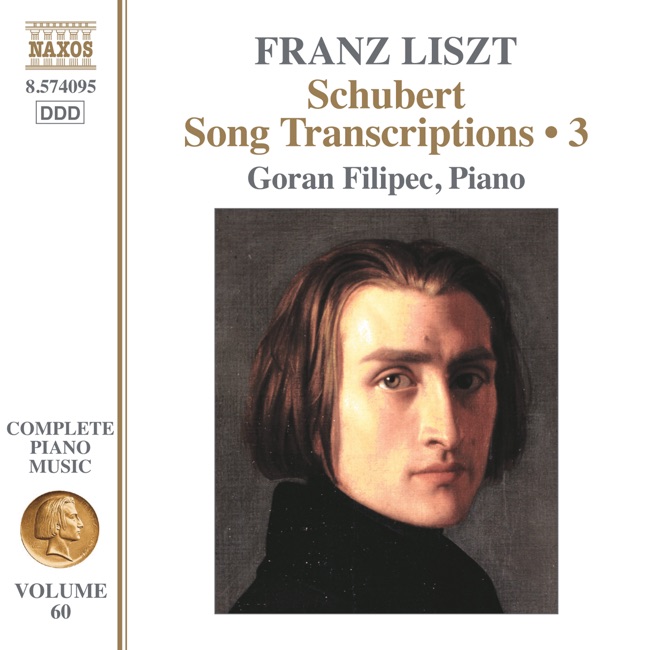

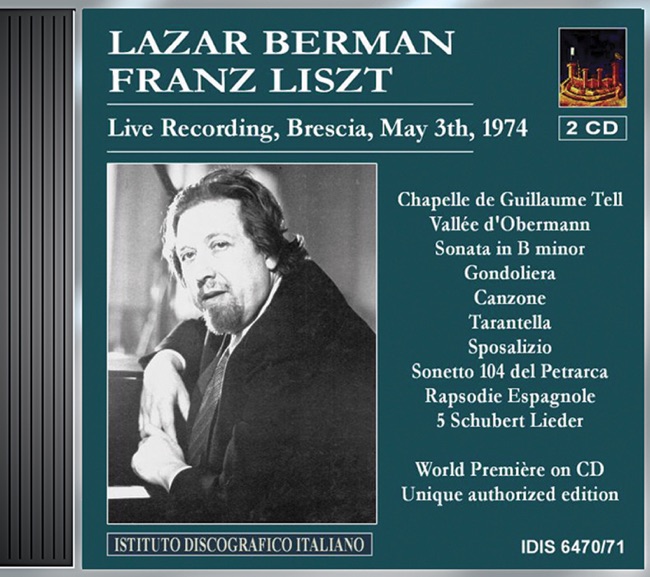

Works Info
Composer:Franz LisztGenre:KeyboardStyle:KeyboardCompose Date:1837 - 1839Publication Date:1838Average_duration:4:58Franz Liszt's "Die junge Nonne (after Schubert, D. 828), S. 558/6" is a solo piano piece that was composed in the mid-19th century. It is part of a larger collection of works known as the "Transcendental Etudes," which were inspired by the music of Franz Schubert. The piece was composed in 1851 and premiered the same year in Weimar, Germany. It is a transcription of Schubert's song "Die junge Nonne" (The Young Nun), which tells the story of a young woman who has taken vows to become a nun but is tormented by thoughts of her former lover. The piece is divided into three movements, each of which reflects a different aspect of the young nun's emotional state. The first movement is marked "Andante con moto" and is characterized by a mournful melody that is played in the left hand while the right hand provides a delicate accompaniment. This movement represents the young nun's sadness and longing for her lost love. The second movement is marked "Allegro molto" and is much more frenzied and intense than the first. It represents the young nun's growing desperation and her struggle to resist the temptation to leave the convent and return to her former life. The final movement is marked "Andante" and is much more peaceful and contemplative than the previous two. It represents the young nun's acceptance of her fate and her decision to devote herself fully to her religious calling. Overall, "Die junge Nonne" is a haunting and emotional piece that showcases Liszt's skill as a composer and his ability to capture the essence of Schubert's music in a new and unique way.More....
Works Music
Released Music

5

4:56