Johann Pachelbel
Chorale Prelude "Meine Seele erhebt den Herren" (Alio modo; II), T. 56
Released Album
Recent Album
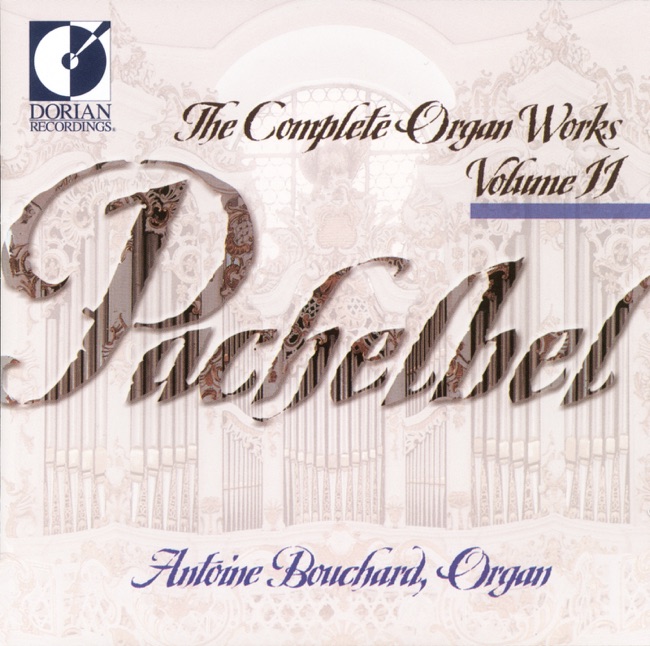
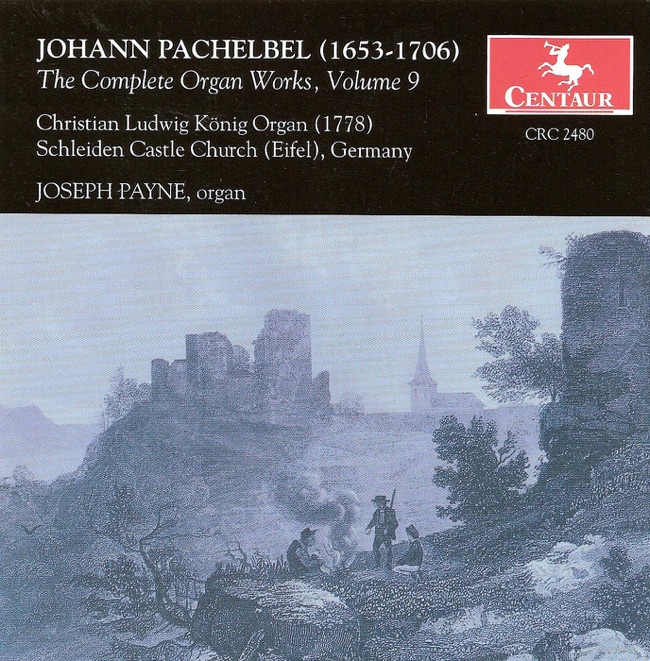
Works Info
Composer:Johann PachelbelGenre:KeyboardStyle:Chorale PreludeCompose Date:before Apr 1706Publication Date:1903Average_duration:1:19Johann Pachelbel's Chorale Prelude Meine Seele erhebt den Herren (Alio modo; II), T. 56, is a piece of sacred music that was composed in the Baroque era. The piece is based on the German hymn "Meine Seele erhebt den Herren," which is also known as the Magnificat. The composition is a chorale prelude, which is a type of organ music that is based on a hymn tune. The piece was composed in the late 17th century, and it premiered in Germany. The exact date of the premiere is not known, but it is believed to have been performed in a church setting. The piece is divided into four movements, each of which is based on a different section of the hymn. The first movement is a slow and stately introduction that sets the tone for the piece. It features a simple melody that is played in the upper register of the organ, accompanied by a steady bass line in the lower register. The second movement is more lively and features a more complex melody that is played in the middle register of the organ. The third movement is a slower and more contemplative section that features a simple melody that is played in the lower register of the organ. The final movement is a fast and joyful conclusion that features a complex melody that is played in the upper register of the organ. One of the characteristics of Pachelbel's Chorale Prelude Meine Seele erhebt den Herren (Alio modo; II), T. 56, is its use of counterpoint. Counterpoint is a technique in which two or more melodies are played simultaneously, creating a complex and harmonious sound. Pachelbel was known for his skill in using counterpoint, and this piece is a good example of his mastery of the technique. Another characteristic of the piece is its use of ornamentation. Ornamentation is a technique in which small embellishments are added to a melody to make it more interesting and expressive. Pachelbel uses ornamentation throughout the piece, adding flourishes and trills to the melodies to create a more lively and dynamic sound. Overall, Pachelbel's Chorale Prelude Meine Seele erhebt den Herren (Alio modo; II), T. 56, is a beautiful and complex piece of sacred music that showcases the composer's skill in using counterpoint and ornamentation. Its use of different movements and its joyful conclusion make it a popular piece for church services and other religious events.More....
Works Music