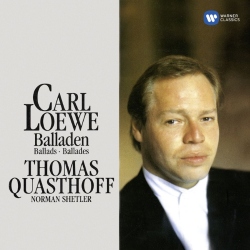
Carl Loewe
Graf Eberstein
Released Album
Recent Album


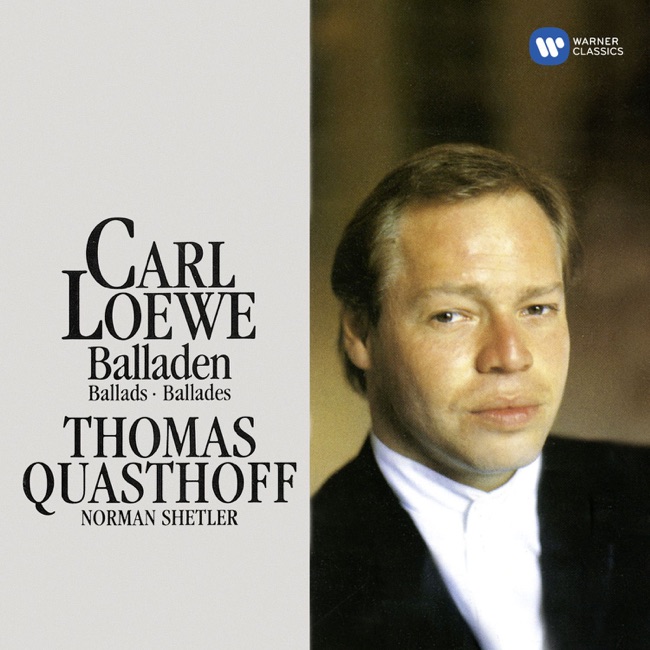
Works Info
Composer:Carl LoeweGenre:VocalStyle:Vocal MusicAverage_duration:3:35"Der Graf von Eberstein" (The Count of Eberstein) is a ballad by German composer Carl Loewe, composed in 1832. It premiered in Berlin on January 22, 1833, and quickly became one of Loewe's most popular works. The ballad tells the story of the Count of Eberstein, a nobleman who is betrayed by his own brother and sentenced to death. The Count's wife, who is pregnant with their child, pleads with the king for mercy, but her pleas fall on deaf ears. In the end, the Count is executed, but his wife gives birth to a son who grows up to avenge his father's death. The ballad is divided into six movements, each of which corresponds to a different scene in the story. The first movement sets the scene and introduces the characters, while the second movement describes the betrayal of the Count by his brother. The third movement is a lament sung by the Count's wife, while the fourth movement depicts her unsuccessful plea for mercy. The fifth movement is the Count's death scene, and the final movement describes the birth of his son and his eventual revenge. Loewe's music is characterized by its dramatic intensity and emotional depth. He uses a variety of musical techniques to convey the different moods and emotions of the story, including chromaticism, dissonance, and sudden shifts in tempo and dynamics. The vocal parts are highly expressive, with long, sweeping melodies and frequent changes in vocal range and timbre. Overall, "Der Graf von Eberstein" is a powerful and moving work that showcases Loewe's skill as a composer of ballads. Its popularity has endured to this day, and it remains a staple of the German art song repertoire.More....
Works Music
Released Music