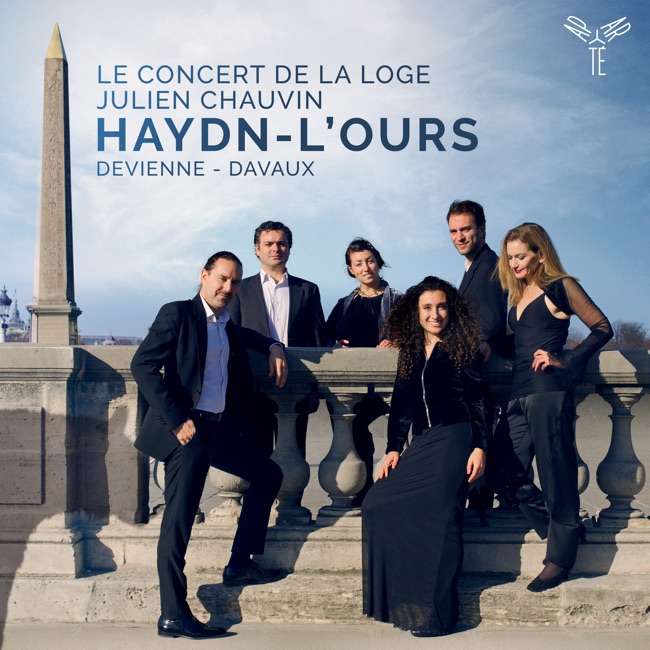
François Devienne
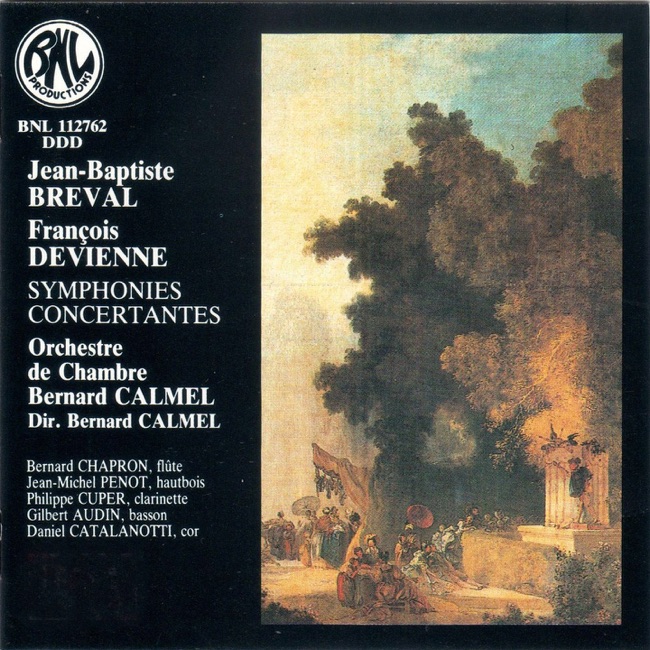
Symphonie concertante for flute & bassoon in F major, Op. 31
Released Album
Recent Album
Works Info
Composer:François DevienneGenre:ConcertoStyle:ConcertoAverage_duration:10:49François Devienne's Symphonie concertante for flute and bassoon in F major, Op. 31, was composed in the late 18th century. The exact date of composition is unknown, but it is believed to have been written around 1780. The piece was premiered in Paris, France, and was well-received by audiences and critics alike. The Symphonie concertante is divided into three movements. The first movement, marked Allegro, is in sonata form and features a lively and energetic theme that is passed between the flute and bassoon. The second movement, marked Adagio, is a slow and lyrical piece that showcases the expressive capabilities of both instruments. The final movement, marked Rondo, is a lively and playful piece that features a recurring theme that is passed between the two instruments. One of the characteristics of Devienne's Symphonie concertante is its use of counterpoint. The flute and bassoon often play contrasting melodies that complement each other, creating a rich and complex texture. Another characteristic is the virtuosic writing for both instruments. The flute and bassoon are given numerous opportunities to showcase their technical abilities, particularly in the fast and intricate passages of the first and third movements. Overall, Devienne's Symphonie concertante for flute and bassoon in F major, Op. 31, is a charming and delightful work that highlights the unique qualities of both instruments. Its combination of virtuosity and lyricism make it a popular choice for performers and audiences alike.More....
Works Music