Tomás Luis de Victoria
Aurea luce
Released Album
Recent Album
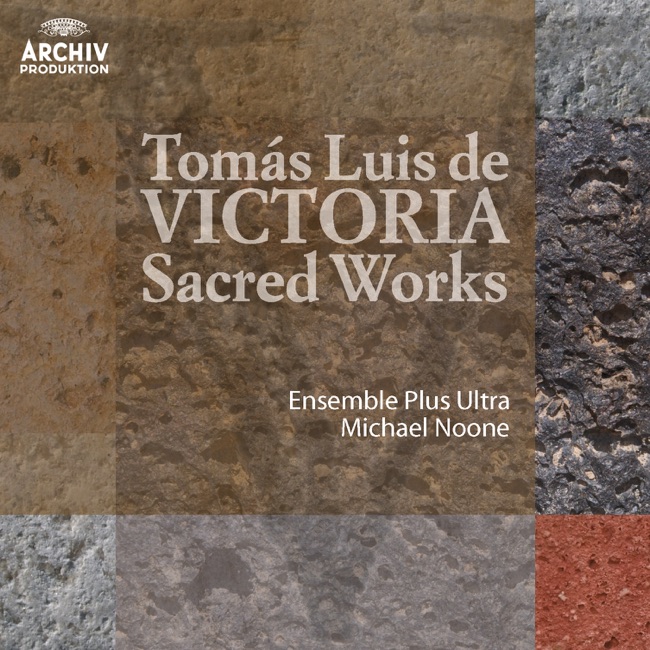
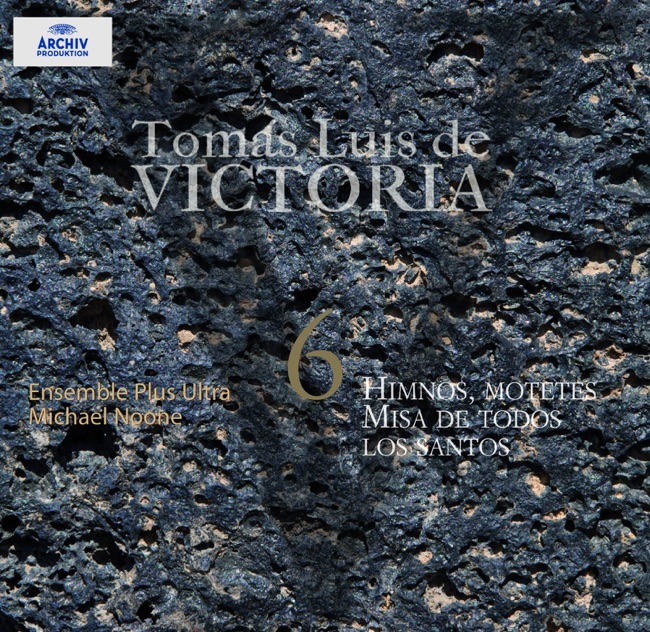
Works Info
Composer:Tomás Luis de VictoriaGenre:ChoralPublication Date:1581Average_duration:5:02'Aurea luce' is a sacred motet composed by the Spanish composer Tomás Luis de Victoria. It was composed in the late 16th century, during the Renaissance period, and was first performed in the Chapel Royal of the Convent of Las Descalzas Reales in Madrid, Spain. The motet is divided into three movements, each of which is characterized by its own unique musical style and structure. The first movement is a polyphonic setting of the text "Aurea luce et decore roseo", which translates to "Golden light and rosy beauty". This movement is characterized by its use of imitative polyphony, in which the different voices enter one after another, creating a complex and intricate texture. The second movement is a solo setting of the text "O quam gloriosum est regnum", which translates to "O how glorious is the kingdom". This movement is characterized by its use of a solo voice accompanied by a simple, chordal accompaniment. The solo voice is often ornamented with melismatic passages, adding to the expressive nature of the text. The final movement is a polyphonic setting of the text "Sancti tui, Domine, florebunt sicut lilium", which translates to "Your saints, O Lord, will flourish like the lily". This movement is characterized by its use of homophonic textures, in which all the voices sing the same rhythm and melody at the same time. This creates a powerful and unified sound, emphasizing the text's message of unity and strength. Overall, 'Aurea luce' is a beautiful and expressive motet that showcases Victoria's mastery of Renaissance polyphony and his ability to create complex and intricate musical textures. Its use of expressive solo passages and powerful homophonic textures make it a timeless masterpiece of sacred music.More....
Works Music
Released Music