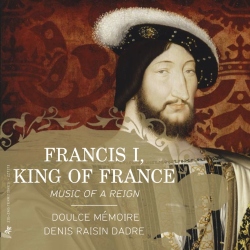
Antonius Divitis
Credo
Released Album
Recent Album
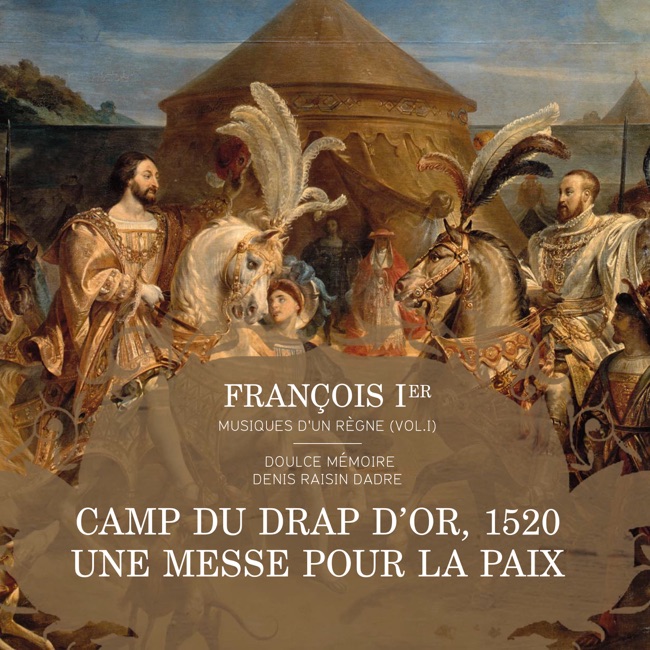
Featured Album
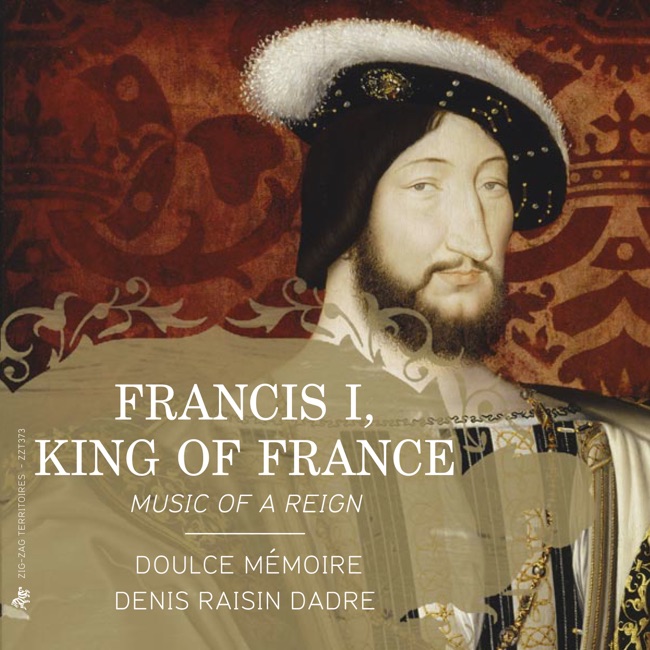
Works Info
Composer:Antonius DivitisGenre:VocalAverage_duration:9:35Antonius Divitis was a composer and singer who lived in the late 15th and early 16th centuries. He was born in the Netherlands, but spent much of his career in Italy, where he worked for various churches and noble families. One of his most famous works is his setting of the Credo, which was likely composed in the early 1500s. The Credo is a part of the Catholic Mass, and is a statement of faith in the doctrines of the Church. Divitis' setting of the Credo is a polyphonic work, meaning that it features multiple independent voices singing different melodies at the same time. The piece is written for four voices: soprano, alto, tenor, and bass. The Credo is divided into several movements, each of which corresponds to a different section of the text. The first movement is a setting of the opening lines of the Credo, "Credo in unum Deum" ("I believe in one God"). This section is characterized by a lively, rhythmic melody in the soprano voice, which is supported by the other voices. The second movement is a setting of the phrase "Et in unum Dominum" ("And in one Lord"). This section is more subdued than the first, with a slower tempo and more homophonic texture (meaning that the voices sing together more often). The third movement is a setting of the phrase "Et incarnatus est" ("And he was incarnate"). This section is notable for its use of dissonance, which creates a sense of tension and drama. The voices sing in close harmony, with frequent clashes that are resolved only at the end of the section. The final movement is a setting of the phrase "Et vitam venturi saeculi" ("And the life of the world to come"). This section is characterized by a sense of triumph and celebration, with the voices singing in unison to create a powerful, unified sound. Overall, Divitis' setting of the Credo is a masterful example of Renaissance polyphony. It showcases his skill at creating complex, interweaving melodies that work together to create a rich, harmonious whole. The piece is also notable for its use of dissonance and rhythmic variety, which add depth and interest to the music. The Credo remains a beloved work in the choral repertoire to this day, and is a testament to Divitis' enduring legacy as a composer.More....
Works Music
Released Music
Featured Music