


Antonius Divitis
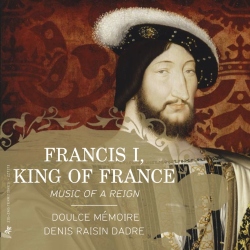
Released Album
Vocal
-
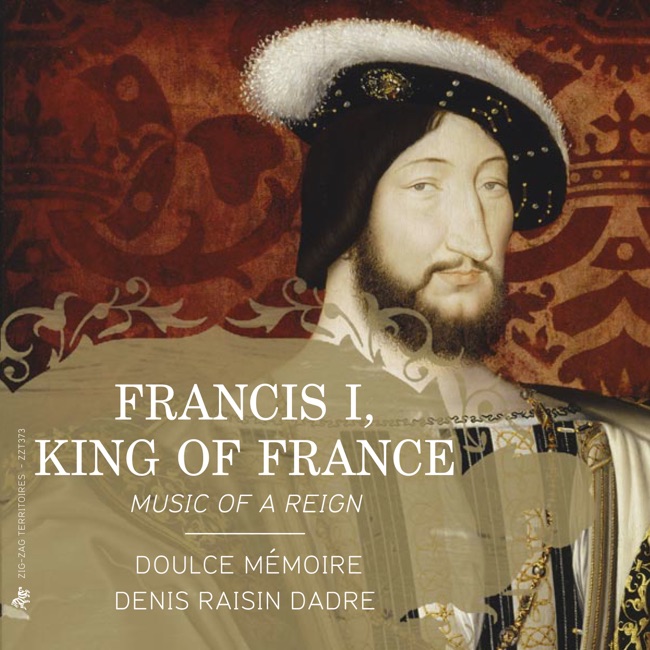 June 30, 2015
 -
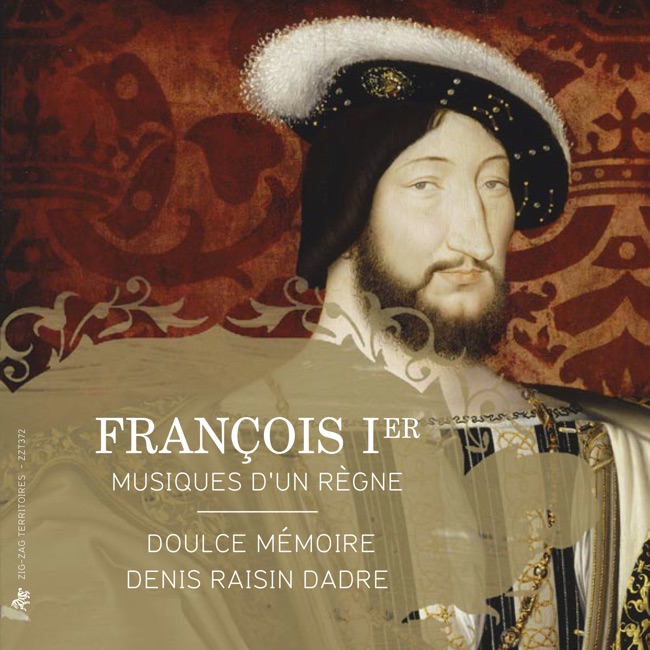 March 23, 2015
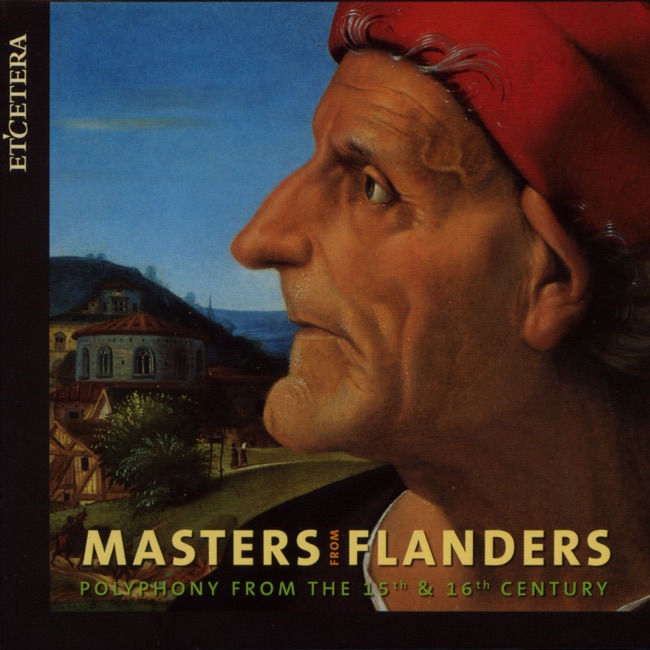
Artist Info
Role:ComposerGenre:ChoralVocalAntonius Divitis was a prominent composer of the Renaissance period, born in the early 1470s in the town of Divitz, located in the region of Pomerania, which is now part of Germany. Not much is known about his early life, but it is believed that he received his musical education in the Netherlands, which was a hub of musical activity during the Renaissance. Divitis began his career as a singer, and he served as a choirboy at the court of the Duke of Burgundy, Philip the Good. He later became a singer at the court of Maximilian I, Holy Roman Emperor, where he also served as a composer and music director. During his time at the imperial court, Divitis composed a number of works, including masses, motets, and chansons. One of Divitis' most notable works is his Missa Ave Maria, which is a setting of the Ordinary of the Mass. The work is written for four voices and is characterized by its rich harmonies and intricate counterpoint. The Missa Ave Maria was likely composed in the early 1500s, and it is considered to be one of Divitis' most accomplished works. Another notable work by Divitis is his motet Ave Maria, which is a setting of the Hail Mary prayer. The motet is written for four voices and is characterized by its soaring melodies and lush harmonies. The work was likely composed in the early 1500s, and it is considered to be one of Divitis' most beautiful and expressive compositions. In addition to his sacred works, Divitis also composed a number of secular pieces, including chansons and instrumental music. One of his most famous chansons is his setting of the poem "Je suis deshéritée" by the French poet Charles d'Orléans. The chanson is written for four voices and is characterized by its lively rhythms and playful melodies. Divitis' music was highly regarded during his lifetime, and he was considered to be one of the leading composers of his time. His works were widely performed throughout Europe, and he was particularly popular in the courts of France and the Netherlands. Despite his success as a composer, Divitis' life was not without its challenges. He lived during a time of great political and religious upheaval, and his music was often caught up in the conflicts of the day. For example, during the Reformation, many of Divitis' works were banned by the Protestant authorities, who viewed them as too Catholic in their themes and style. Despite these challenges, Divitis continued to compose throughout his life, and his music remains an important part of the Renaissance repertoire. His works are characterized by their rich harmonies, intricate counterpoint, and expressive melodies, and they continue to be performed and studied by musicians and scholars around the world.More....
Recent Artist Music



Copyright Ⓒ 2013 Davinci Finger. All rights reseved
Service Terms & Policy