Francesco Canova da Milano
Ricercar No. 69
Released Album
Recent Album
Works Info
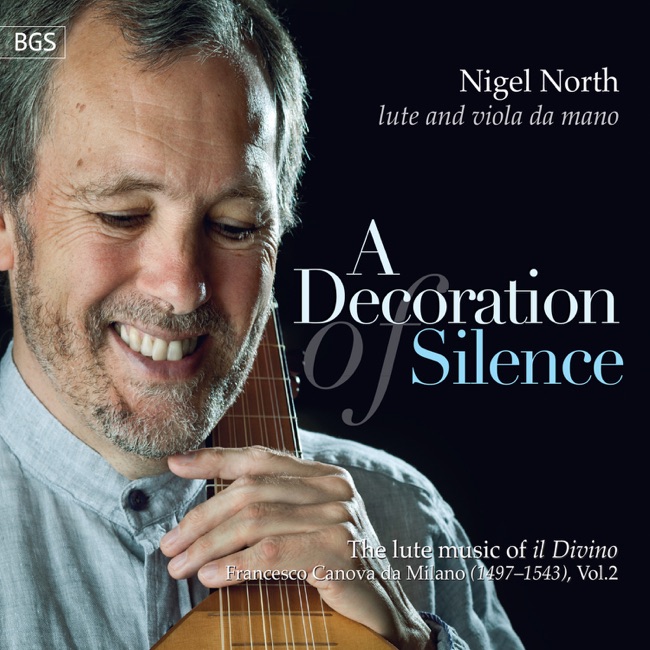
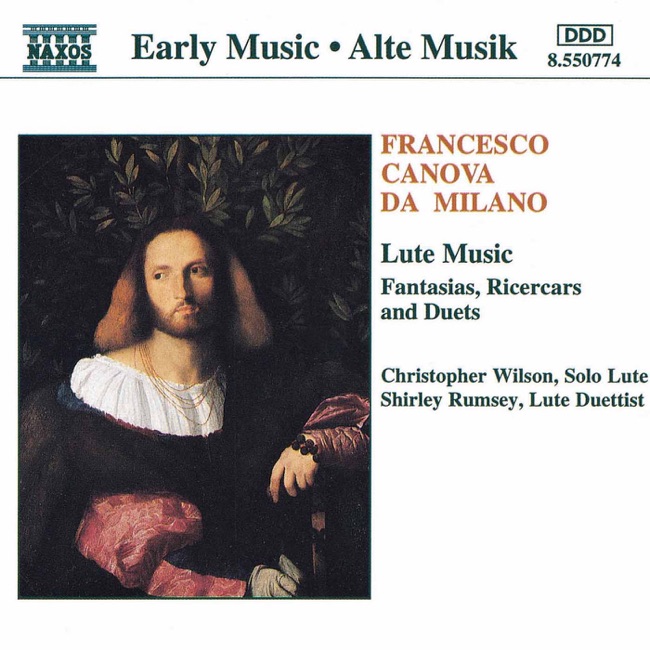
Composer:Francesco Canova da MilanoGenre:KeyboardStyle:RicercarAverage_duration:2:11Francesco Canova da Milano was an Italian composer and lutenist who lived during the Renaissance period. He was born in 1497 in Monza, Italy, and died in 1543 in Milan. He was known for his virtuosic lute playing and his compositions for the instrument, which were highly regarded during his lifetime. One of his most famous works is the "Ricercar No. 69," which is a piece for solo lute. The exact date of composition is unknown, but it is believed to have been written in the early 16th century. The piece is in the key of D minor and is written in a polyphonic style, with multiple voices interweaving and overlapping. The "Ricercar No. 69" is divided into three movements, each with its own distinct character. The first movement is slow and contemplative, with a mournful melody that is passed between the different voices of the lute. The second movement is faster and more lively, with a rhythmic pulse that propels the music forward. The third movement is a return to the slower, more introspective mood of the first movement, with a haunting melody that lingers in the listener's mind. One of the most striking characteristics of the "Ricercar No. 69" is its use of counterpoint, which is the technique of combining multiple melodies to create a complex and harmonically rich texture. Canova da Milano was a master of this technique, and the "Ricercar No. 69" is a prime example of his skill in this area. The piece also showcases his virtuosic lute playing, with intricate fingerwork and complex chord progressions that challenge even the most skilled lutenists. The "Ricercar No. 69" was likely performed in the courts and salons of Renaissance Italy, where it would have been appreciated by the aristocracy and other members of the upper class. Today, it is still regarded as one of the most important works in the lute repertoire, and is frequently performed by modern lutenists and other musicians. Its enduring popularity is a testament to Canova da Milano's skill as a composer and his contribution to the development of Renaissance music.More....
Works Music
Released Music