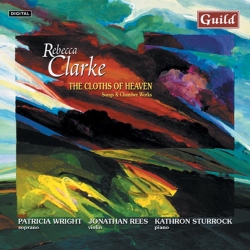
Rebecca Clarke
The Aspidistra
Released Album
Recent Album
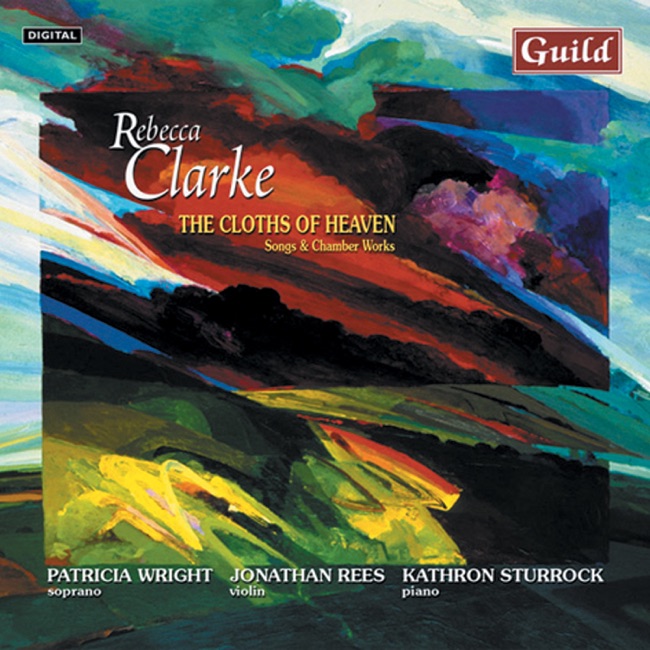
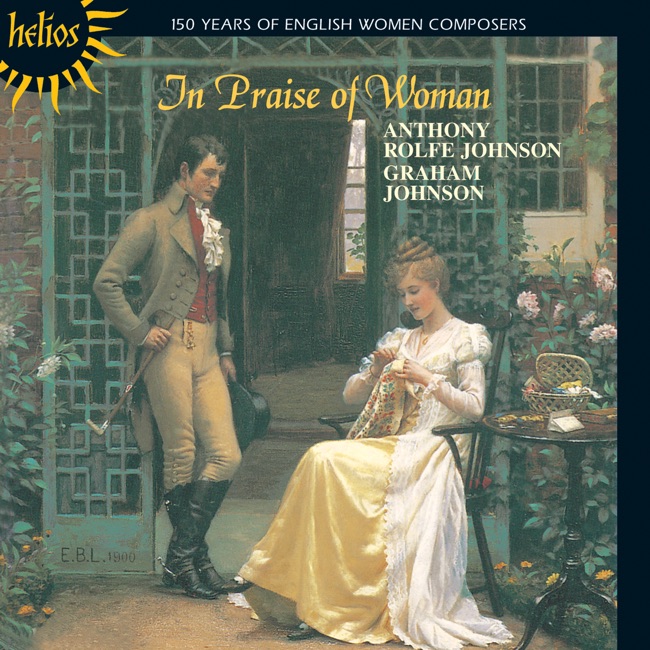
Featured Album
Works Info
Composer:Rebecca ClarkeGenre:VocalStyle:Vocal MusicCompose Date:1929Average_duration:2:09Rebecca Clarke's "The Aspidistra" is a composition for solo viola and piano, composed in 1920. It was premiered in London on May 11, 1921, with the composer herself playing the viola and Ernest Lush on the piano. The piece is divided into three movements, each with its own distinct character. The first movement, marked "Allegro moderato," is characterized by its lively and playful nature. The viola and piano engage in a lively dialogue, with the viola taking the lead in the opening theme. The piano provides a rhythmic accompaniment, punctuated by occasional flourishes. The movement is full of energy and vitality, with both instruments working together to create a sense of joy and exuberance. The second movement, marked "Adagio," is a stark contrast to the first. It is slow and mournful, with a sense of melancholy pervading the music. The viola takes on a more lyrical role, with long, mournful lines that are full of emotion. The piano provides a gentle accompaniment, with soft chords and delicate arpeggios. The movement is a beautiful expression of sadness and loss, with the viola and piano working together to create a sense of deep emotion. The final movement, marked "Allegro vivace," returns to the lively and playful character of the first. It is full of energy and excitement, with the viola and piano engaging in a lively dance. The viola takes on a more virtuosic role, with fast runs and intricate passages that showcase the instrument's technical capabilities. The piano provides a driving rhythm, with syncopated chords and lively arpeggios. The movement is a joyful celebration of life and vitality, with the viola and piano working together to create a sense of exuberance and excitement. Overall, "The Aspidistra" is a beautiful and expressive work that showcases Rebecca Clarke's skill as a composer. The three movements are each distinct in character, but they work together to create a cohesive whole that is full of emotion and energy. The piece is a testament to the power of music to express the full range of human experience, from joy and exuberance to sadness and loss.More....
Works Music
Released Music
Featured Music