Jean-Philippe Rameau
Fanfarinette in A major
Released Album
Recent Album
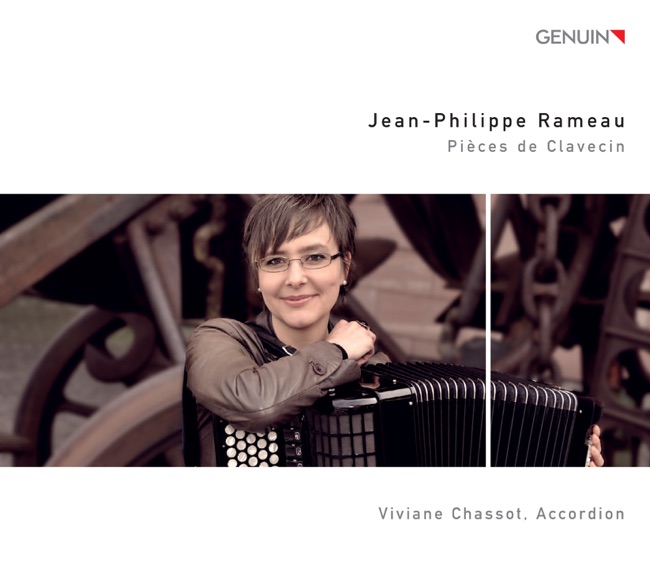
Works Info
Composer:Jean-Philippe RameauGenre:KeyboardStyle:Character PiecePublication Date:ca. 1727Average_duration:3:02Jean-Philippe Rameau was a French composer and music theorist of the Baroque era. He was born in Dijon, France, on September 25, 1683, and died in Paris on September 12, 1764. Rameau was one of the most important composers of his time, and his music had a significant influence on the development of French opera. One of Rameau's most famous works is the "Fanfarinette in A major," which was composed in 1729. The piece is a short keyboard work that is part of a larger collection of pieces called "Pièces de clavecin en concerts." The "Fanfarinette" is the second movement of the second concert, and it is written for harpsichord, violin, and viola da gamba. The "Fanfarinette" is a lively and energetic piece that is characterized by its use of fanfare-like motifs. The piece begins with a short introduction that sets the tone for the rest of the movement. The harpsichord plays a series of arpeggios that are accompanied by the violin and viola da gamba playing a simple melody. The main theme of the piece is then introduced, and it is played by the harpsichord. The violin and viola da gamba then join in, and the three instruments play together in a lively and energetic manner. The "Fanfarinette" is a relatively short piece, lasting only about two minutes. However, it is a perfect example of Rameau's skill as a composer. The piece is full of energy and vitality, and it showcases Rameau's ability to write music that is both technically challenging and musically satisfying. In conclusion, the "Fanfarinette in A major" is a short but powerful piece of music that is a testament to Rameau's skill as a composer. The piece was composed in 1729 and is part of a larger collection of pieces called "Pièces de clavecin en concerts." The "Fanfarinette" is the second movement of the second concert, and it is written for harpsichord, violin, and viola da gamba. The piece is characterized by its use of fanfare-like motifs and its lively and energetic nature.More....
Works Music
Released Music