


Johann Sebastian Bach
Cantata No. 100, "Was Gott tut, das ist wohlgetan", BWV 100
Released Album
Recent Album
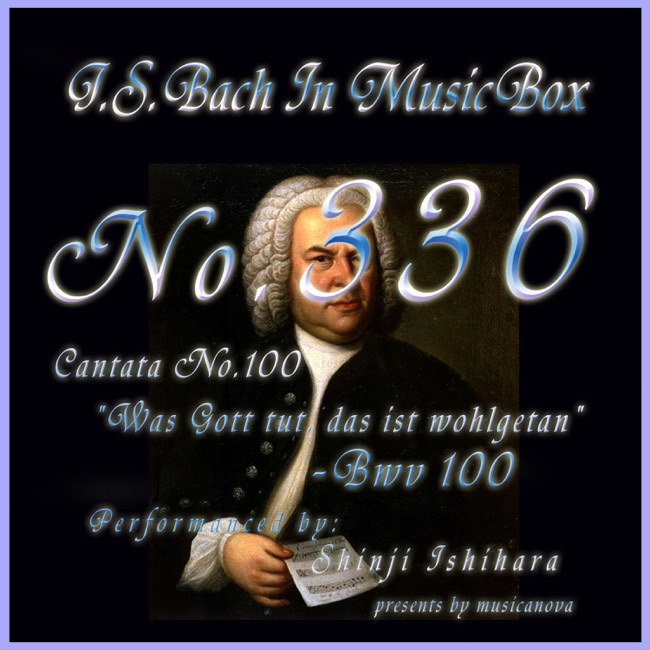
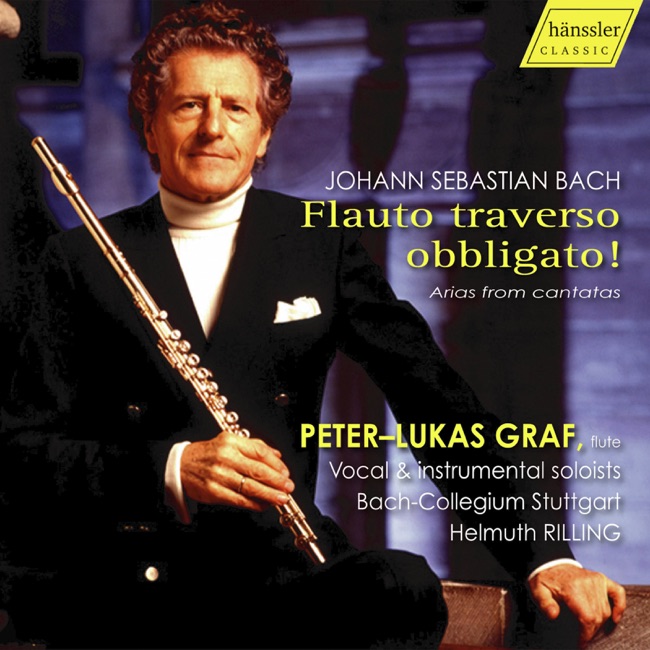
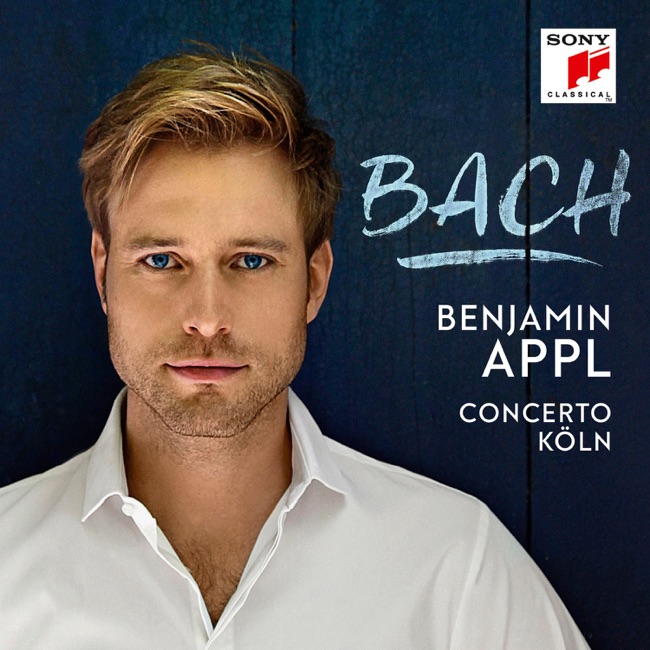
Featured Album
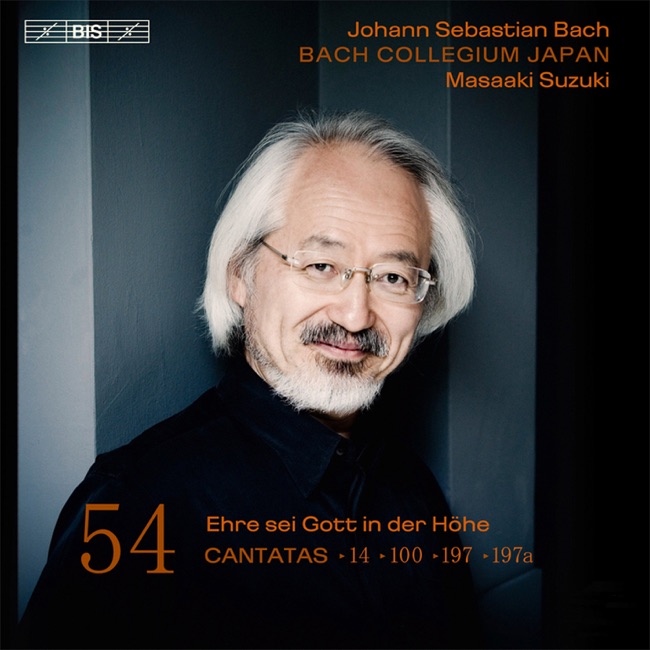
Works Info
Composer:Johann Sebastian BachGenre:ChoralStyle:CantataCompose Date:1732 - 1735Publication Date:1875Average_duration:22:53Movement_count:6Movement ....Johann Sebastian Bach composed Cantata No. 100, "Was Gott tut, das ist wohlgetan" (What God does is well done), BWV 100, in 1724. The cantata was premiered on September 17, 1724, in Leipzig, Germany, as part of Bach's second annual cycle of cantatas for the liturgical year. The cantata consists of five movements, including an opening chorus, two recitatives, an aria, and a closing chorale. The text is based on a hymn by Samuel Rodigast, which praises God's sovereignty and trustworthiness in all circumstances. The opening chorus is a grand and majestic setting of the hymn's first verse, featuring a full orchestra and choir. The music is characterized by its lively rhythms, intricate counterpoint, and soaring melodies, which convey a sense of confidence and assurance in God's providence. The first recitative is sung by the tenor soloist, who reflects on the uncertainty and challenges of life, but ultimately affirms his trust in God's wisdom and goodness. The music is sparse and contemplative, with the tenor accompanied by a single violin. The second movement is an aria for the bass soloist, who sings of the peace and comfort that comes from trusting in God's care. The music is gentle and flowing, with a pastoral quality that evokes the image of a peaceful countryside. The second recitative is sung by the alto soloist, who acknowledges the trials and tribulations of life, but affirms that God's love and grace are sufficient to sustain us. The music is more agitated and dramatic than the previous recitative, with the alto accompanied by a restless string section. The final movement is a chorale setting of the hymn's final verse, which reaffirms the theme of trust in God's providence. The music is simple and straightforward, with the choir singing in unison and the orchestra providing a gentle accompaniment. Overall, Cantata No. 100 is a powerful expression of faith and trust in God's sovereignty, set to music of great beauty and complexity. Its themes of comfort, assurance, and hope continue to resonate with listeners today, making it one of Bach's most enduring works.More....
Works Music
Released Music
1
1:53
3
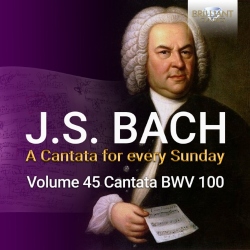
Cantata no. 100, "What God does is well done", BWV 100
I. Coro. Was Gott tut, das ist wohlgetan
5:3
4
Cantata no. 100, "What God does is well done", BWV 100
III. Aria. Was Gott tut, das ist wohlgetan
5:2
5
4:41
6
Cantata no. 100, "What God does is well done", BWV 100
3. Aria - Was Gott tut, das ist wohlgetan, er wird mich wohl bedenken
4:26
7
4:33
9
3:23
10
Cantata no. 100, "What God does is well done", BWV 100
IV. Aria. Was Gott tut, das ist wohlgetan
3:51
Featured Music
1
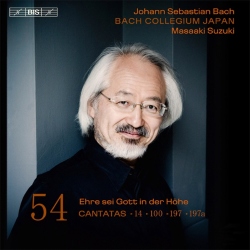
Cantata no. 100, "What God does is well done", BWV 100
Versus 1. Chorus. Was Gott tut, das ist wohlgetan
4:29
2
Cantata no. 100, "What God does is well done", BWV 100
Versus 2. Duetto. Was Gott tut, das ist wohlgetan
2:55
3
Cantata no. 100, "What God does is well done", BWV 100
Versus 3. Aria. Was Gott tut, das ist wohlgetan
4:46
4
Cantata no. 100, "What God does is well done", BWV 100
Versus 4. Aria. Was Gott tut, das ist wohlgetan
3:20
5
Cantata no. 100, "What God does is well done", BWV 100
Versus 5. Aria. Was Gott tut, das ist wohlgetan
2:49
6
Cantata no. 100, "What God does is well done", BWV 100
Versus ultimus. Choral. Was Gott tut, das ist wohlgetan
1:56
Main Perform Artists
Soprano Vocal
Alto Vocals
Alto Vocals
Tenor Vocal
Bass (Vocal)