Claude Le Jeune
Magnificat
Released Album
Recent Album
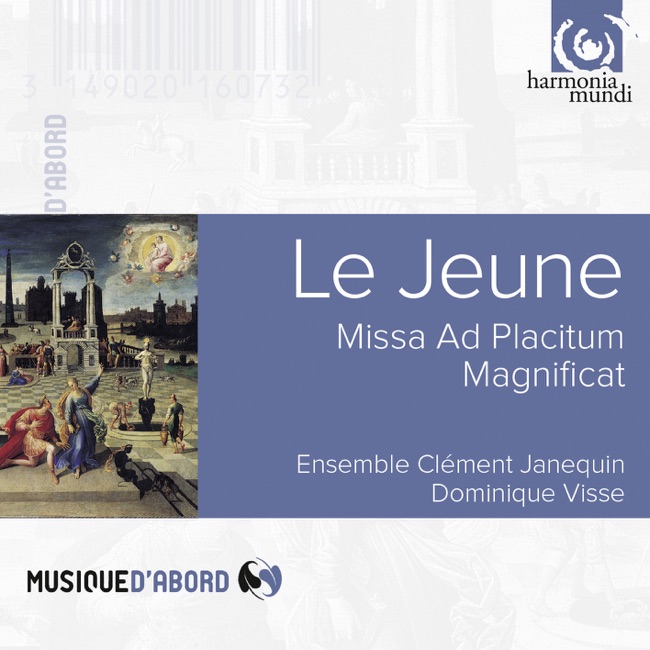
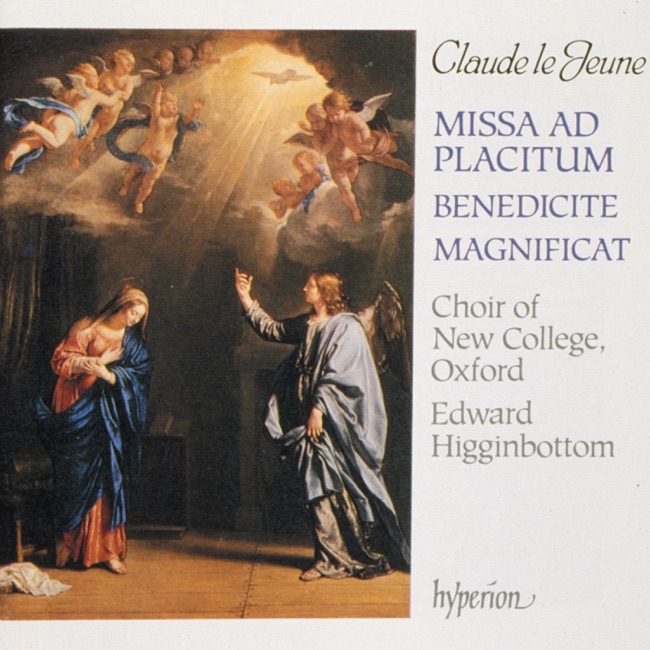
Works Info
Composer:Claude Le JeuneGenre:ChoralStyle:MagnificatAverage_duration:12:42Claude Le Jeune's Magnificat is a choral work that was composed in the late 16th century. It was first performed in 1584 in Paris, France. The Magnificat is a setting of the biblical text of the same name, which is a hymn of praise to the Virgin Mary. The work is divided into several movements, each of which corresponds to a different section of the text. The first movement of the Magnificat is a grand opening, with the choir singing in unison to introduce the piece. The second movement is a solo for alto, which is followed by a duet for soprano and tenor. The fourth movement is a trio for alto, tenor, and bass, and the fifth movement is a solo for bass. The sixth movement is a duet for soprano and alto, and the seventh movement is a trio for soprano, alto, and tenor. The eighth movement is a solo for soprano, and the ninth movement is a duet for soprano and bass. The final movement is a grand finale, with the choir singing in unison once again. The Magnificat is characterized by its use of polyphony, which is a style of music that features multiple independent voices singing different melodies at the same time. Le Jeune's use of polyphony creates a rich and complex texture that is both beautiful and intricate. The work also features a variety of vocal techniques, including melismatic singing, which is a style of singing that involves singing multiple notes on a single syllable. Overall, Le Jeune's Magnificat is a stunning example of Renaissance choral music. Its intricate polyphony and beautiful vocal techniques make it a masterpiece of the genre, and its timeless message of praise and adoration for the Virgin Mary continues to resonate with audiences today.More....