Franz Liszt
Csárdás obstinée, S. 225/2
Released Album
Recent Album
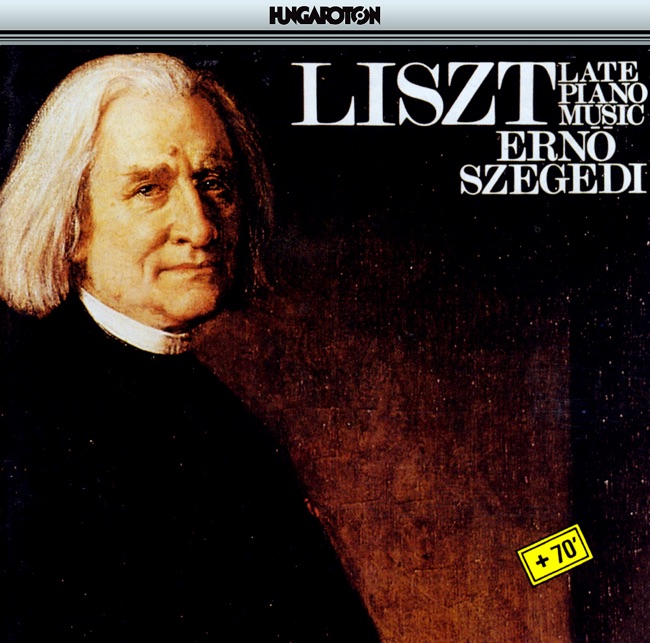

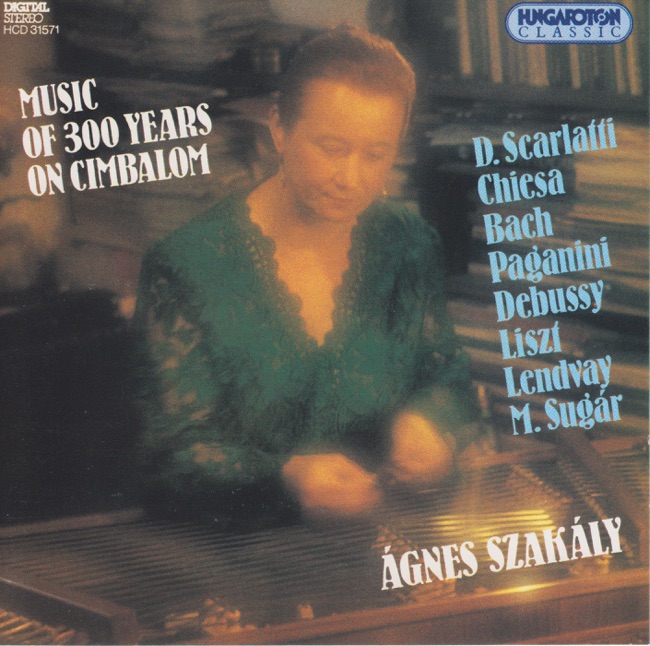
Featured Album
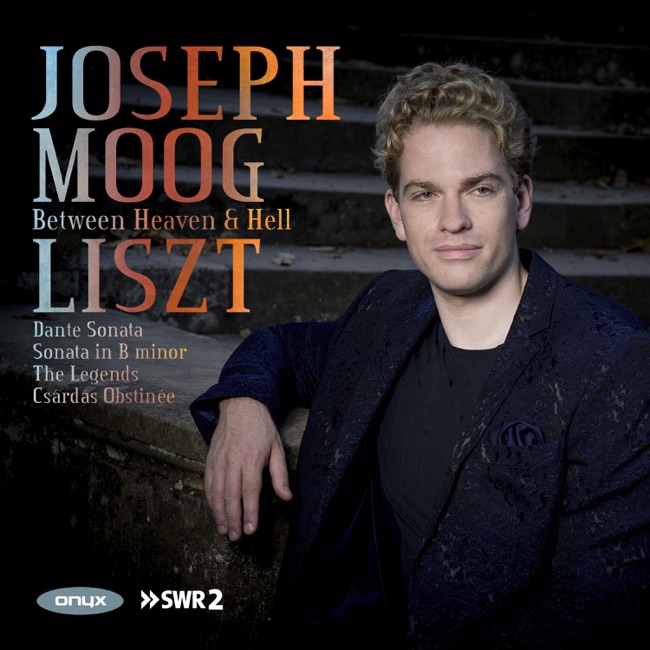
Works Info
Composer:Franz LisztGenre:KeyboardStyle:DanceCompose Date:1884Publication Date:1886Average_duration:4:44Franz Liszt's 'Csárdás obstinée' is a solo piano piece that was composed in 1881. It is the second movement of his 'Mephisto Waltzes', which is a set of four pieces inspired by the character of Mephistopheles from Goethe's 'Faust'. The 'Csárdás obstinée' premiered in Budapest in 1882, with Liszt himself performing the piece. The 'Csárdás obstinée' is a lively and energetic piece that is characterized by its use of the csárdás rhythm, which is a traditional Hungarian dance rhythm. The piece begins with a fast and frenzied introduction that sets the tone for the rest of the piece. The main theme is then introduced, which is a lively and playful melody that is played in the right hand while the left hand provides a driving accompaniment. The piece is structured in a rondo form, with the main theme returning several times throughout the piece. Each time the theme returns, it is slightly varied and developed, adding to the overall excitement and energy of the piece. The middle section of the piece provides a contrast to the lively main theme, with a slower and more lyrical melody that is played in the right hand while the left hand provides a gentle accompaniment. One of the most notable characteristics of the 'Csárdás obstinée' is its use of obstinato, which is a musical term that refers to a repeating pattern or motif. In this piece, the left hand provides a repeating pattern that is played throughout the entire piece, giving it a sense of continuity and unity. Overall, the 'Csárdás obstinée' is a lively and exciting piece that showcases Liszt's virtuosic piano writing and his ability to incorporate traditional Hungarian dance rhythms into his music. Its use of obstinato and rondo form make it a memorable and engaging piece that is still popular with audiences today.More....
Works Music
Released Music
9

3:33
Featured Music