Franz Joseph Haydn
Baryton Trio in G major, H. 11/26
Released Album
Recent Album
Works Info
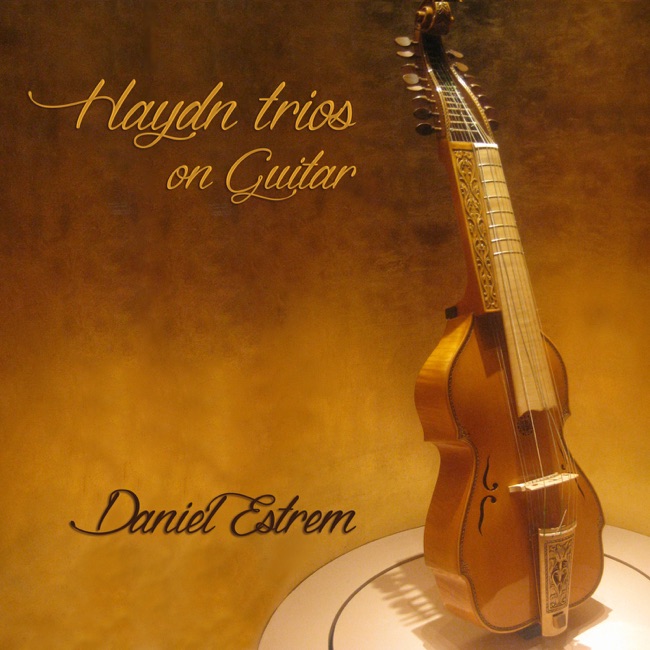
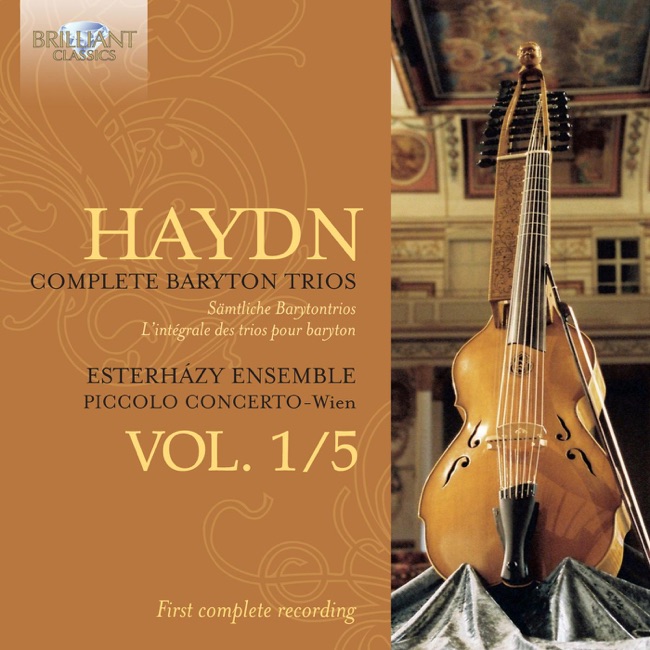
Composer:Franz Joseph HaydnGenre:ChamberStyle:Chamber MusicMovement_count:3Movement ....The Baryton Trio in G major, H. 11/26, is a chamber music piece composed by Franz Joseph Haydn. It was composed in the mid-1770s and premiered in the court of Prince Nikolaus Esterházy, where Haydn was employed as a court musician. The piece is written for baryton, viola, and cello, and is one of several works that Haydn composed for the baryton, a stringed instrument that was popular in the 18th century. The Baryton Trio in G major is divided into three movements: Allegro moderato, Menuetto, and Finale: Presto. The first movement, Allegro moderato, is in sonata form and begins with a lively and energetic theme played by the baryton. The viola and cello then join in, and the three instruments engage in a lively and playful dialogue. The second movement, Menuetto, is a dance-like piece in triple meter. It features a simple and elegant melody that is passed between the three instruments. The final movement, Finale: Presto, is a fast and lively piece that showcases the virtuosity of the baryton. It features rapid runs and intricate passages that are played with great skill and precision by all three instruments. One of the most notable characteristics of the Baryton Trio in G major is its use of the baryton. The baryton is a unique instrument that has a set of wire strings that are played by plucking with the left hand, while the right hand plays a set of bowed gut strings. This gives the baryton a distinctive sound that is different from other stringed instruments. Haydn was one of the few composers who wrote music specifically for the baryton, and he was able to exploit its unique qualities to great effect in this piece. Overall, the Baryton Trio in G major is a charming and delightful piece of chamber music that showcases Haydn's skill as a composer and his ability to write for a variety of instruments. Its playful and lively character makes it a joy to listen to, and its use of the baryton adds an extra layer of interest and intrigue.More....