Giovanni Gabrieli
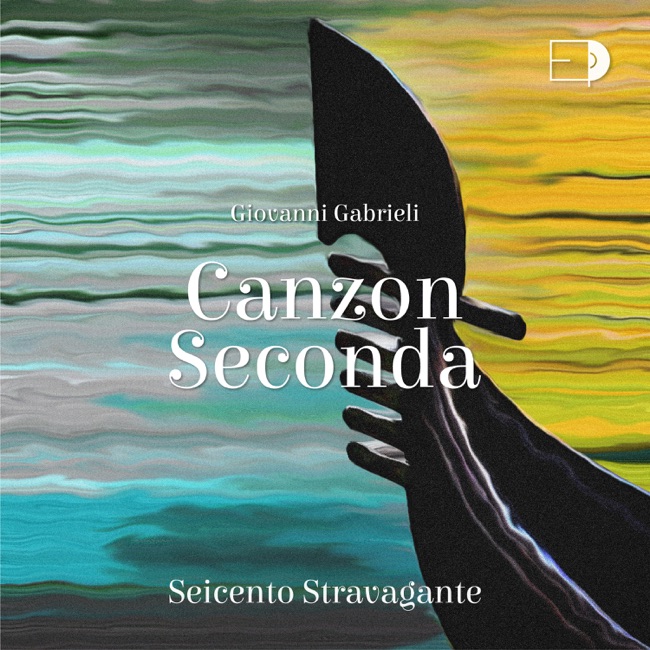
Canzon No. 2, for 4 parts
Released Album
Recent Album
Featured Album
Works Info
Composer:Giovanni GabrieliGenre:ChamberStyle:CanzonaPublication Date:1608Average_duration:2:42Giovanni Gabrieli was an Italian composer and organist of the late Renaissance period. He was born in Venice in 1557 and died in 1612. Gabrieli was known for his innovative use of multiple choirs and instrumental groups, which he used to create a rich and complex sound. One of Gabrieli's most famous works is his Canzon No. 2, for 4 parts. This piece was composed in the late 16th century and was first performed in Venice. The exact date of composition and premiere is not known, but it is believed to have been written around 1597. The Canzon No. 2 is a four-part instrumental work that is scored for two cornets and two trombones. The piece is divided into three movements, each with its own distinct character and style. The first movement is marked "Allegro" and is characterized by its lively and energetic tempo. The two cornets play the main melody, while the two trombones provide a rich and full harmonic accompaniment. The movement is structured in a call-and-response format, with the two groups of instruments alternating and overlapping each other. The second movement is marked "Adagio" and is much slower and more contemplative than the first. The two cornets play a simple and plaintive melody, while the two trombones provide a gentle and soothing accompaniment. The movement is notable for its use of suspensions and dissonances, which create a sense of tension and release. The final movement is marked "Allegro" and is similar in character to the first. The two cornets play a lively and syncopated melody, while the two trombones provide a driving and rhythmic accompaniment. The movement is structured in a fugue-like format, with the different parts entering and overlapping each other in a complex and intricate pattern. Overall, the Canzon No. 2 is a masterful example of Gabrieli's innovative use of multiple choirs and instrumental groups. The piece is notable for its rich and complex harmonies, its use of call-and-response and fugue-like structures, and its lively and energetic character. It remains a popular and frequently performed work in the repertoire of early music.More....
Works Music
Released Music
4
Song No. 2, for 4 parts
Canzona II a 4 (da Canzoni per sonare con ogni sorte di stromenti a quattro, cinque e otto, Venezia 1608)
2:37
Featured Music