Heinrich Scheidemann
Jesu, du wolltest uns weisen
Released Album
Recent Album

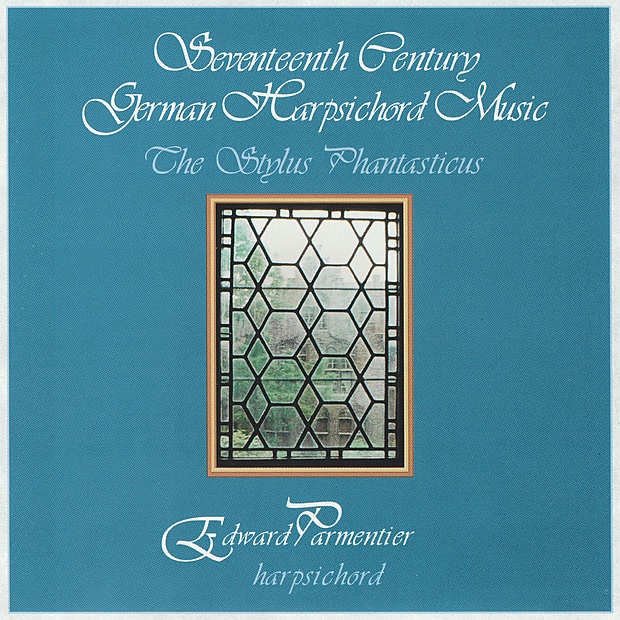
Works Info
Composer:Heinrich ScheidemannGenre:KeyboardStyle:KeyboardAverage_duration:1:49Heinrich Scheidemann was a German composer and organist who lived from 1595 to 1663. He was a prominent figure in the North German organ school, which was a group of composers and performers who were active in the 17th century. Scheidemann's music was highly influential in the development of the Baroque style, and he is considered to be one of the most important composers of his time. One of Scheidemann's most famous works is "Jesu, du wolltest uns weisen," which was composed in the early 17th century. The piece is a chorale fantasia, which means that it is based on a Lutheran hymn. The hymn in question is "Jesu, du wolltest uns weisen," which was written by Johann Rist in 1641. The text of the hymn is a prayer to Jesus, asking him to guide and protect his followers. The premiere of Scheidemann's "Jesu, du wolltest uns weisen" is not known, but it was likely performed in a church in Hamburg, where Scheidemann was the organist. The piece is divided into four movements, each of which is based on a different verse of the hymn. The first movement is a prelude, which sets the tone for the piece. It begins with a slow, stately introduction, which is followed by a faster section that features intricate counterpoint and virtuosic flourishes. The second movement is a fugue, which is based on the second verse of the hymn. The fugue is characterized by its complex, interweaving melodies and its use of imitation. The third movement is a trio, which is based on the third verse of the hymn. The trio features three voices, each of which has its own distinct melody. The voices are woven together in a complex, contrapuntal texture that creates a rich, harmonious sound. The final movement is a chorale, which is based on the fourth verse of the hymn. The chorale is a simple, straightforward setting of the hymn, with the melody played in the upper voice and the harmonies provided by the lower voices. Overall, "Jesu, du wolltest uns weisen" is a masterful example of Scheidemann's skill as a composer and organist. The piece showcases his ability to create complex, intricate textures while still maintaining a sense of clarity and coherence. It is a testament to the rich musical tradition of the North German organ school, and it continues to be performed and admired by musicians and audiences today.More....
Works Music
Released Music