


André Raison
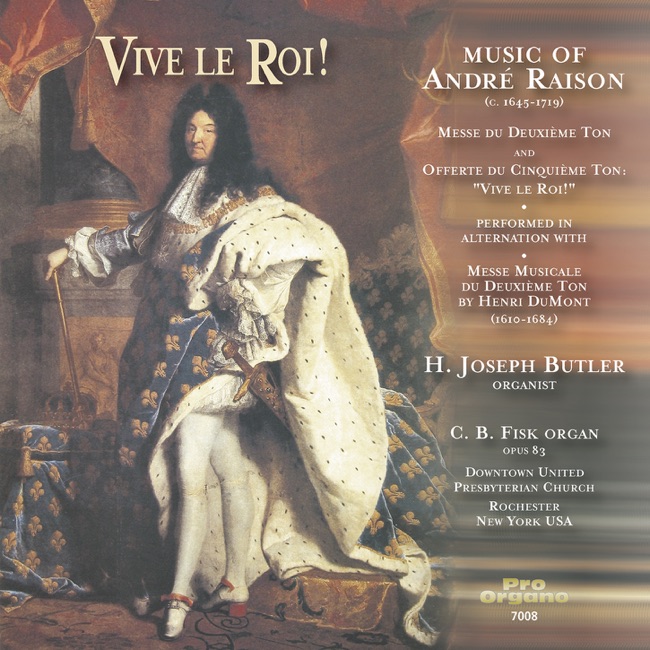
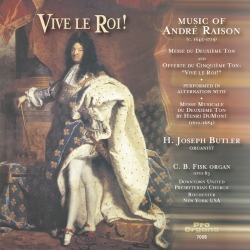
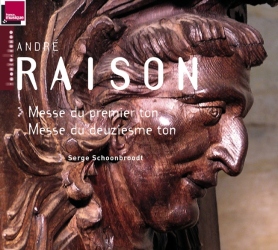
Messe du Deuxième Ton
Released Album
Recent Album
Works Info
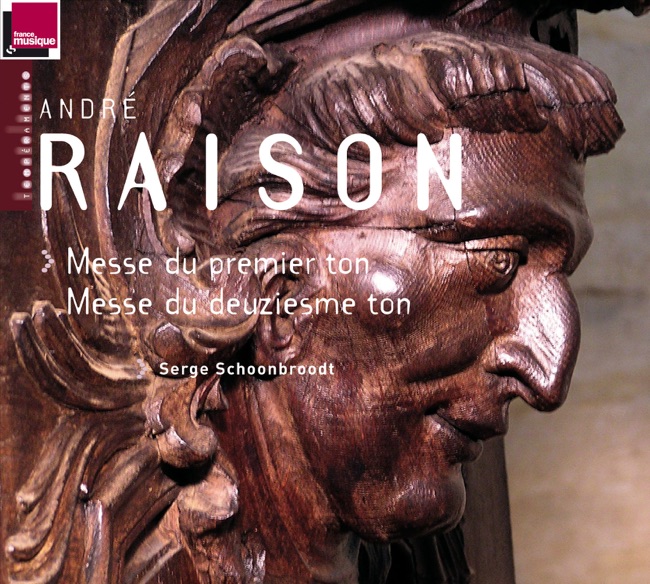
Composer:André RaisonGenre:KeyboardStyle:MassAverage_duration:8:04André Raison was a French Baroque composer and organist who lived from 1640 to 1719. He was a prominent figure in the French organ school and composed a number of works for the organ, as well as vocal music, including his Messe du Deuxième Ton. The Messe du Deuxième Ton is a setting of the Ordinary of the Mass, composed in the second tone. It was likely composed in the late 17th century, although the exact date is unknown. The work is scored for four voices (soprano, alto, tenor, and bass) and continuo, and is written in the typical French Baroque style. The Messe du Deuxième Ton is divided into six movements: Kyrie, Gloria, Credo, Sanctus, Benedictus, and Agnus Dei. Each movement is characterized by its own unique musical features. The Kyrie is a simple and solemn setting of the text, with a repeated melody in the soprano and alto voices. The Gloria is more elaborate, with a lively and joyful character, featuring imitative polyphony and frequent changes in texture. The Credo is the longest movement, and is characterized by its grandeur and solemnity. The Sanctus is a bright and joyful setting of the text, with a lively melody in the soprano voice. The Benedictus is a more subdued setting, with a simple melody in the alto voice. The Agnus Dei is a solemn and prayerful setting of the text, with a repeated melody in the soprano and alto voices. Overall, the Messe du Deuxième Ton is a fine example of French Baroque music, with its characteristic use of ornamentation, imitative polyphony, and changes in texture and mood. It is a testament to Raison's skill as a composer and his contribution to the French Baroque tradition.More....
Works Music
Released Music
3
1:31
8
1:31