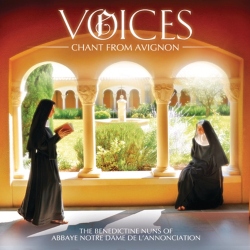
Gregorian Chant
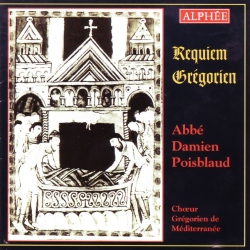
Dies irae, dies illa
Released Album
Recent Album

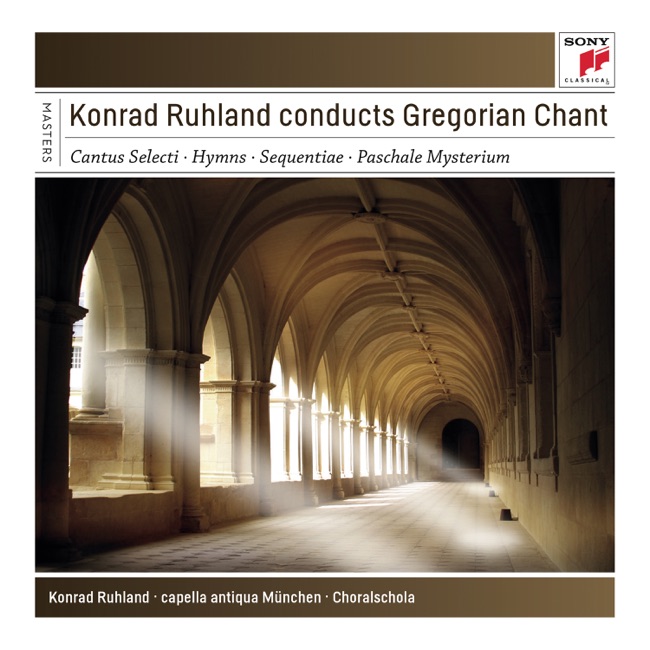


Featured Album
Works Info
Composer:Gregorian ChantGenre:ChoralStyle:ChantAverage_duration:6:22'Dies irae, dies illa' is a Gregorian Chant that is part of the Requiem Mass, which is a Catholic Mass for the dead. The chant is believed to have been composed in the 13th century and has been used in various musical compositions throughout history. The chant is typically performed in a slow and solemn manner, with a haunting melody that reflects the somber nature of the Requiem Mass. It is divided into eight movements, each of which has its own unique characteristics. The first movement, 'Dies irae,' is perhaps the most well-known and is characterized by its ominous and foreboding melody. It is often used in film and television to signify impending doom or danger. The second movement, 'Tuba mirum,' is a more uplifting and triumphant piece that celebrates the resurrection of the dead. It features a brass instrument, such as a trumpet or trombone, which adds to its grandeur. The third movement, 'Liber scriptus,' is a quieter and more introspective piece that reflects on the judgment of the soul. It is often sung by a soloist or small group of singers. The fourth movement, 'Quid sum miser,' is a mournful and sorrowful piece that reflects on the sins of the soul. It is often sung by a soloist or small group of singers. The fifth movement, 'Rex tremendae,' is a powerful and majestic piece that celebrates the glory of God. It is often sung by a full choir and features a soaring melody. The sixth movement, 'Recordare,' is a more intimate and personal piece that asks for God's mercy and forgiveness. It is often sung by a soloist or small group of singers. The seventh movement, 'Ingemisco,' is a mournful and sorrowful piece that reflects on the pain and suffering of the soul. It is often sung by a soloist or small group of singers. The eighth and final movement, 'Confutatis,' is a powerful and dramatic piece that reflects on the judgment of the soul. It is often sung by a full choir and features a driving rhythm and melody. Overall, 'Dies irae, dies illa' is a powerful and moving piece of music that has been used in various musical compositions throughout history. Its haunting melody and somber tone make it a fitting tribute to the dead and a reminder of the fragility of life.More....
Works Music
Released Music
Featured Music