Kaspar Förster
Viri Isrealite, KBPJ 47
Released Album
Recent Album

Works Info
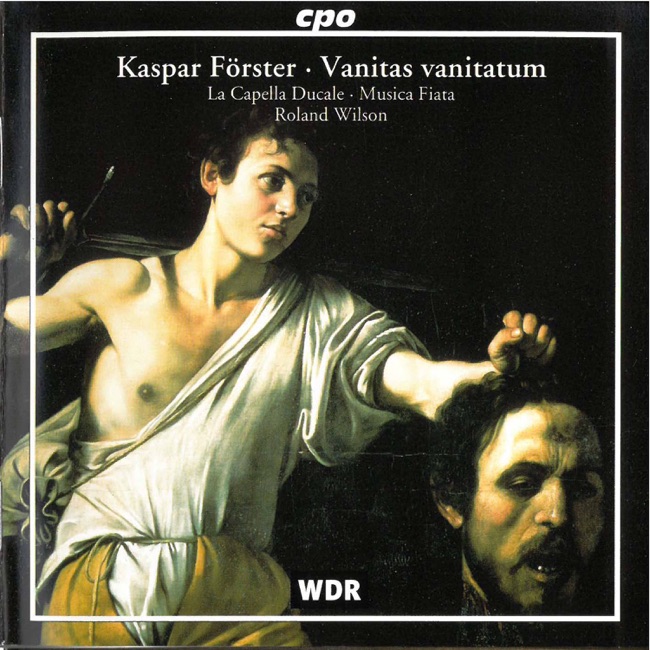
Composer:Kaspar FörsterGenre:VocalStyle:Vocal MusicAverage_duration:15:50'Viri Isrealite, KBPJ 47' is a sacred choral work composed by Kaspar Förster, a German Baroque composer, in the 17th century. The piece was composed in 1668 and premiered in the same year in the city of Bautzen, Germany. 'Viri Isrealite' is a motet, a type of choral composition that is typically sung in Latin and is often used in religious services. The piece is divided into six movements, each with its own distinct character and musical style. The first movement, 'Viri Isrealite', is a grand and majestic opening that sets the tone for the rest of the piece. The second movement, 'Quis est homo', is a more introspective and contemplative section that features a solo soprano voice. The third movement, 'Ecce quomodo moritur', is a mournful and somber section that reflects on the death of Christ. The fourth movement, 'Sepulto Domino', is a triumphant and joyful section that celebrates the resurrection of Christ. The fifth movement, 'Surrexit Christus', is a lively and energetic section that features a fugue, a complex musical form that involves multiple voices singing different melodies that interweave and overlap. The final movement, 'Alleluia', is a jubilant and exultant section that brings the piece to a rousing conclusion. Throughout the piece, Förster employs a variety of musical techniques and styles, including polyphony, homophony, and counterpoint, to create a rich and complex musical tapestry. Overall, 'Viri Isrealite, KBPJ 47' is a masterful example of Baroque choral music, showcasing Förster's skill as a composer and his deep understanding of the religious themes and motifs that were central to the music of his time.More....
Works Music
Released Music