


Kaspar Förster
Released Album
Chamber
-
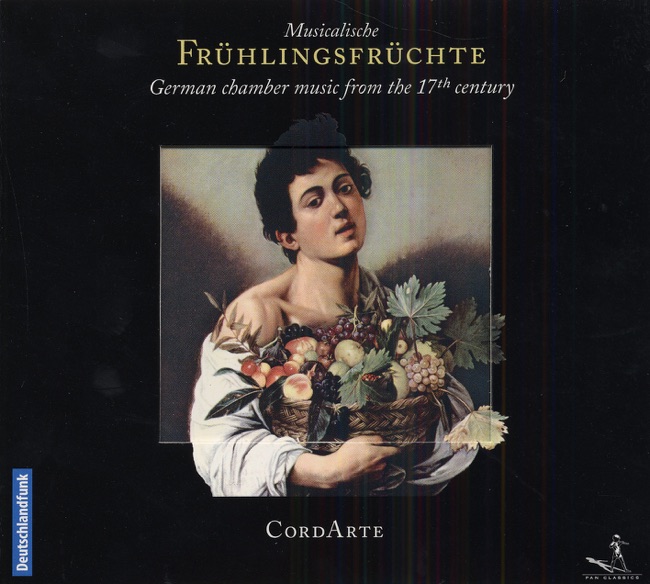 September 25, 2007
Vocal
-
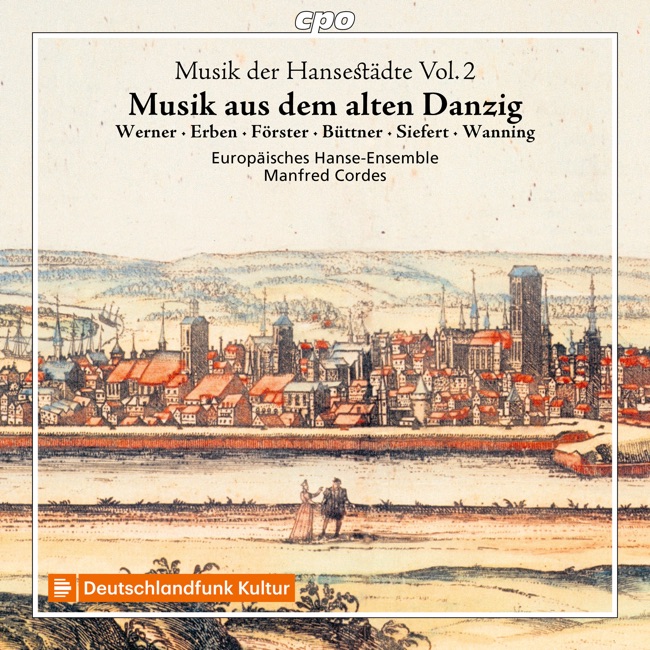
-
-
 April 8, 2016
 -
 May 1, 2010
 -
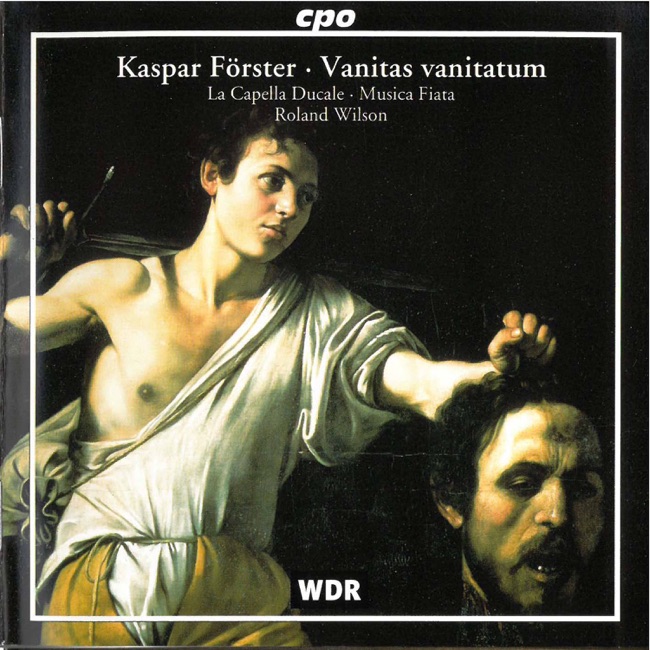 July 20, 1999
Artist Info
Role:ComposerBirth:1616Death:February 2, 1673Genre:ChamberVocalKaspar Förster was a German composer and musician who lived during the Baroque period. He was born in 1616 in the town of Meiningen, which was then part of the Duchy of Saxe-Meiningen. His father, Johann Förster, was a musician and composer who served as the court Kapellmeister in Meiningen. Kaspar Förster grew up in a musical family and received his early musical education from his father. In 1635, Kaspar Förster moved to Dresden to study music with Heinrich Schütz, who was then the Kapellmeister at the Dresden court. Schütz was one of the most important composers of the early Baroque period, and his influence can be heard in Förster's music. Förster spent several years in Dresden, studying with Schütz and working as a musician in the court orchestra. In 1641, Förster moved to Wolfenbüttel to work as a court musician for Duke Augustus the Younger of Brunswick-Lüneburg. He remained in Wolfenbüttel for the rest of his life, serving as the court Kapellmeister from 1653 until his death in 1673. During his time in Wolfenbüttel, Förster composed a large amount of music, including operas, cantatas, and instrumental works. Förster's music is characterized by its rich harmonies, expressive melodies, and intricate counterpoint. He was particularly skilled at writing vocal music, and his cantatas and operas are notable for their dramatic intensity and emotional depth. His instrumental music, including his sonatas and suites, is also highly regarded for its technical virtuosity and inventive use of form. One of Förster's most famous works is his opera "Die glückliche Falschheit" ("The Happy Deceit"), which was first performed in Wolfenbüttel in 1668. The opera tells the story of a young woman who disguises herself as a man in order to pursue her lover, who is in love with another woman. The opera is notable for its lively, dance-like music and its witty libretto, which was written by the court poet Johann Christian Günther. Another important work by Förster is his "Musikalischer Parnassus" ("Musical Parnassus"), a collection of instrumental suites that was published in 1668. The suites are named after the nine Muses of Greek mythology, and each one is characterized by a different mood and musical style. The "Musikalischer Parnassus" is considered one of the most important collections of instrumental music from the Baroque period, and it has been widely performed and recorded by modern musicians. In addition to his work as a composer, Förster was also an important music teacher and mentor. Many of his students went on to become successful musicians and composers in their own right, including Johann Christoph Pez and Johann Georg Ahle. Förster's influence can be heard in the music of these composers, as well as in the work of later Baroque composers such as Johann Sebastian Bach. Kaspar Förster died in Wolfenbüttel in 1673, at the age of 57. He left behind a rich legacy of music that continues to be admired and performed today. His music is notable for its emotional depth, technical virtuosity, and inventive use of form, and it remains an important part of the Baroque repertoire.More....
Recent Artist Music
3
5:53
5
Domine tibi confit
Confitebor tibi Domine for soprano, mezzo, tenor, bass, 2 violins, bassoon, cello and organ
11:27
6
8:2
Copyright Ⓒ 2013 Davinci Finger. All rights reseved
Service Terms & Policy