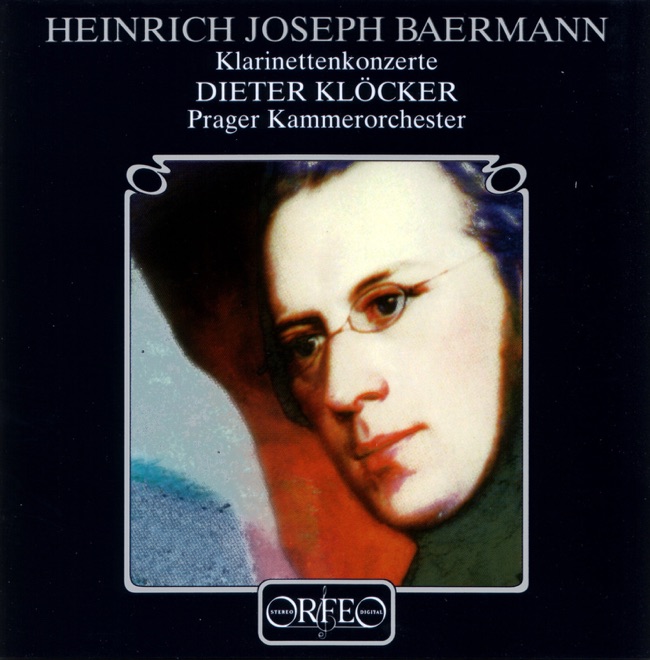
Heinrich Joseph Baermann
Concertino in C minor for clarinet & orchestra, Op. 29
Released Album
Recent Album
Works Info
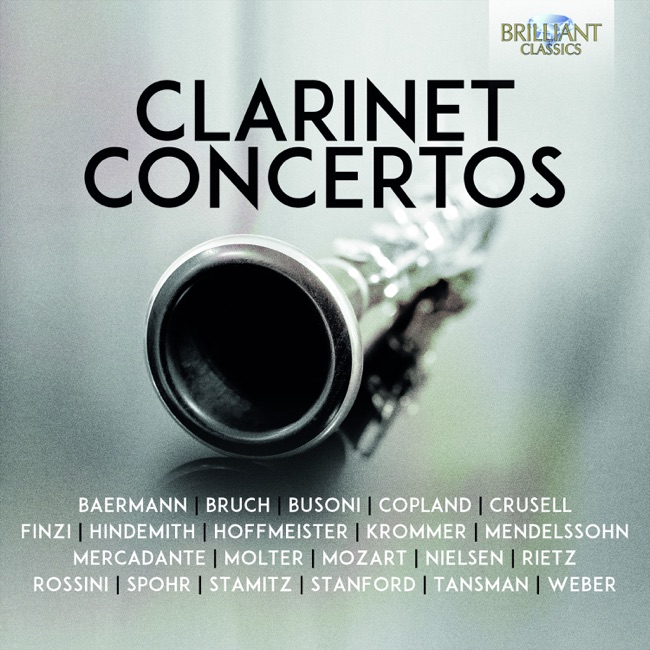
Composer:Heinrich Joseph BaermannGenre:ConcertoStyle:ConcertoAverage_duration:19:14Heinrich Joseph Baermann's Concertino in C minor for clarinet and orchestra, Op. 29, was composed in the early 19th century and premiered in Munich in 1833. The piece is divided into three movements: Allegro moderato, Adagio, and Rondo: Allegro. The first movement, Allegro moderato, begins with a dramatic orchestral introduction before the clarinet enters with a virtuosic solo. The movement features a lively and energetic theme that is developed throughout the orchestra and the solo clarinet. The second movement, Adagio, is a lyrical and expressive piece that showcases the clarinet's ability to sing and emote. The clarinet is accompanied by a delicate and sensitive orchestral accompaniment that provides a beautiful backdrop for the soloist's melodic lines. The final movement, Rondo: Allegro, is a lively and playful piece that features a catchy and memorable theme. The clarinet and orchestra engage in a lively dialogue, with the soloist showcasing their technical prowess through fast runs and intricate passages. The movement ends with a triumphant coda that brings the piece to a thrilling conclusion. Baermann's Concertino in C minor is a quintessential example of the Romantic era's fascination with the clarinet. The piece showcases the instrument's versatility, from its ability to sing and emote in the Adagio to its virtuosic agility in the Allegro moderato and Rondo: Allegro. The piece is also notable for its use of orchestration, with the orchestra providing a rich and varied accompaniment that complements the soloist's lines. Overall, Baermann's Concertino in C minor is a beautiful and engaging work that remains a staple of the clarinet repertoire to this day.More....
Works Music