Karl Goldmark
Sakuntala, Op. 13
Released Album
Recent Album
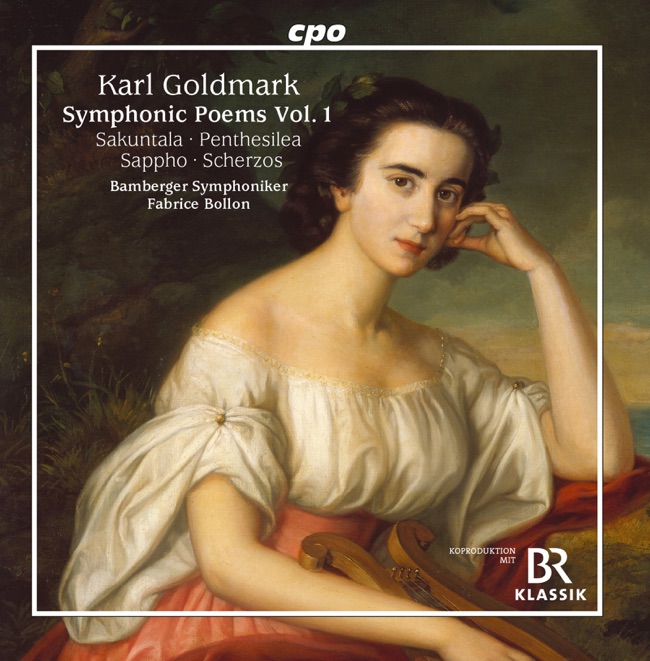
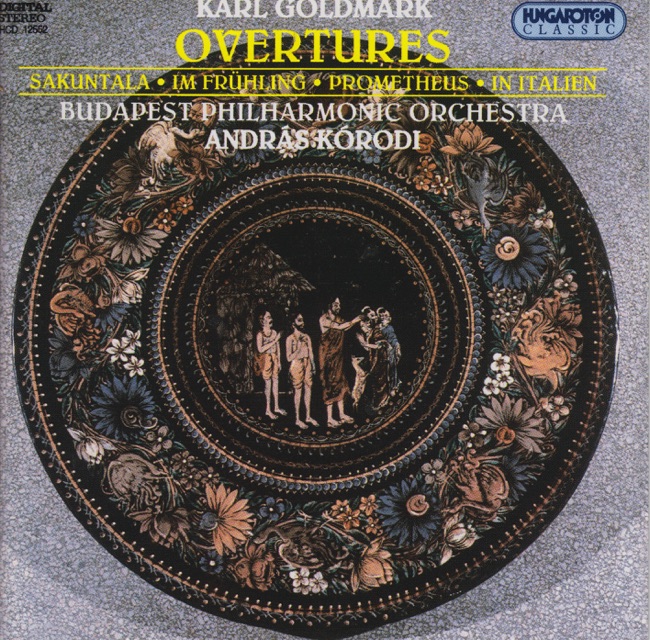
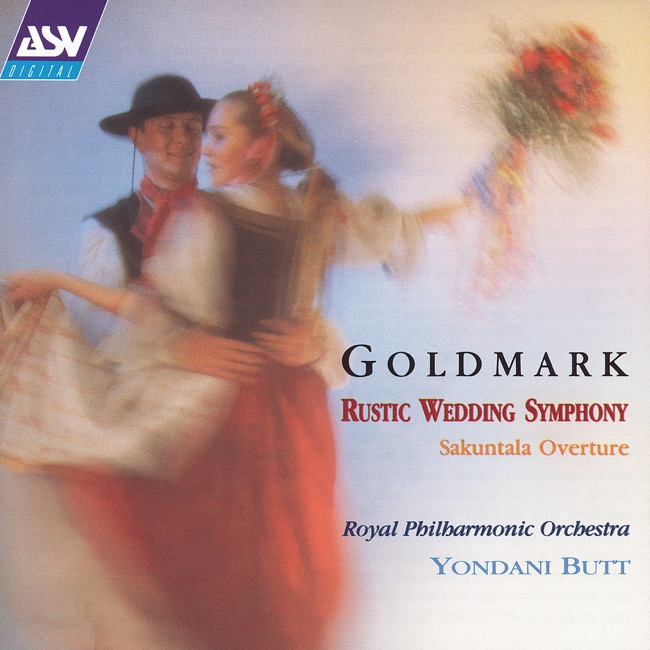
Works Info
Composer:Karl GoldmarkGenre:OrchestralStyle:OvertureAverage_duration:17:27Sakuntala, Op. 13 is a symphonic poem composed by Karl Goldmark in 1865. It is based on the story of Shakuntala, a character from the Hindu epic Mahabharata. The piece premiered on January 14, 1866, in Vienna, conducted by Johann von Herbeck. The symphonic poem is divided into four movements. The first movement, titled "The Forest," begins with a serene and peaceful melody that represents the tranquility of the forest. The music gradually builds up to a climax, representing the arrival of King Dushyanta, who falls in love with Shakuntala. The second movement, titled "Love Scene," is a romantic and lyrical piece that represents the love between Dushyanta and Shakuntala. The music is characterized by lush harmonies and soaring melodies, which convey the intensity of their love. The third movement, titled "The Curse," is a dramatic and intense piece that represents the curse that Shakuntala receives from a sage, which causes Dushyanta to forget about her. The music is characterized by dissonant harmonies and turbulent rhythms, which convey the chaos and turmoil of the curse. The final movement, titled "The Reunion," is a triumphant and joyful piece that represents the reunion of Dushyanta and Shakuntala. The music is characterized by bright and lively melodies, which convey the happiness and celebration of their reunion. Overall, Sakuntala, Op. 13 is a masterful example of Goldmark's skill as a composer. The piece is characterized by lush harmonies, soaring melodies, and dramatic contrasts, which make it a powerful and emotional work. Its use of Indian themes and motifs also makes it a unique and interesting piece in the classical repertoire.More....