Johann Christian Schickhardt
Concerto for 4 recorders & continuo No. 2 in D minor
Released Album
Recent Album
Works Info
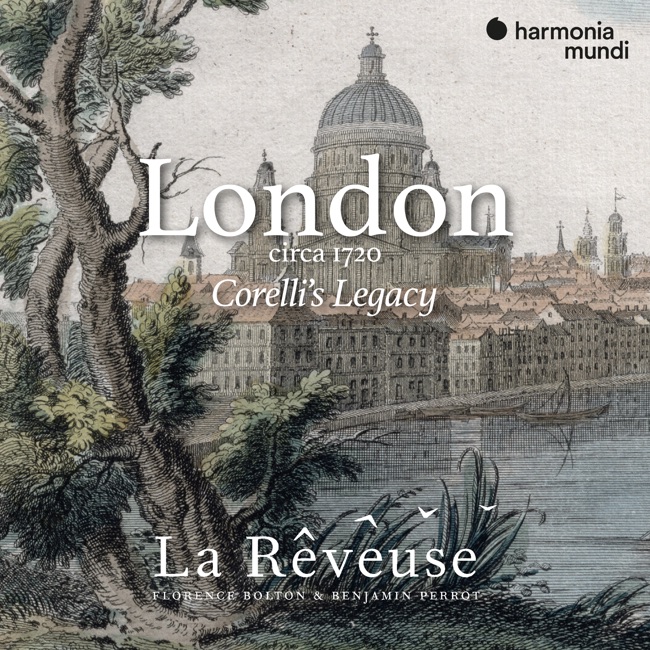
Composer:Johann Christian SchickhardtGenre:ConcertoStyle:ConcertoAverage_duration:9:38Movement_count:4Movement ....Johann Christian Schickhardt's Concerto for 4 recorders & continuo No. 2 in D minor is a Baroque masterpiece that was composed in the early 18th century. The exact date of composition is unknown, but it is believed to have been written between 1700 and 1725. The concerto was premiered in London, where Schickhardt was active as a composer and performer. The concerto consists of three movements: Allegro, Adagio, and Allegro. The first movement is a lively and energetic Allegro that showcases the virtuosity of the four recorder players. The second movement, Adagio, is a slow and expressive piece that features a beautiful melody played by the recorders. The final movement, Allegro, is a fast and lively piece that brings the concerto to a thrilling conclusion. One of the characteristics of Schickhardt's Concerto for 4 recorders & continuo No. 2 in D minor is its use of counterpoint. The four recorder parts are intricately woven together, creating a complex and rich texture. The continuo part, played by a harpsichord or other keyboard instrument, provides a harmonic foundation for the recorders. Another characteristic of the concerto is its use of ornamentation. Schickhardt was known for his skill in ornamentation, and the recorders in this concerto are adorned with trills, turns, and other decorative flourishes. These ornaments add to the beauty and complexity of the music. Overall, Schickhardt's Concerto for 4 recorders & continuo No. 2 in D minor is a stunning example of Baroque music. Its intricate counterpoint, beautiful melodies, and skillful ornamentation make it a joy to listen to and a challenging piece for performers.More....
Works Music