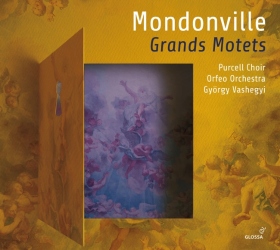
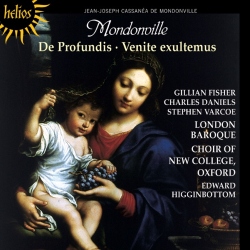
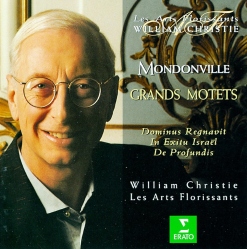
Jean-Joseph Cassanéa de Mondonville
De profundis
Released Album
Recent Album
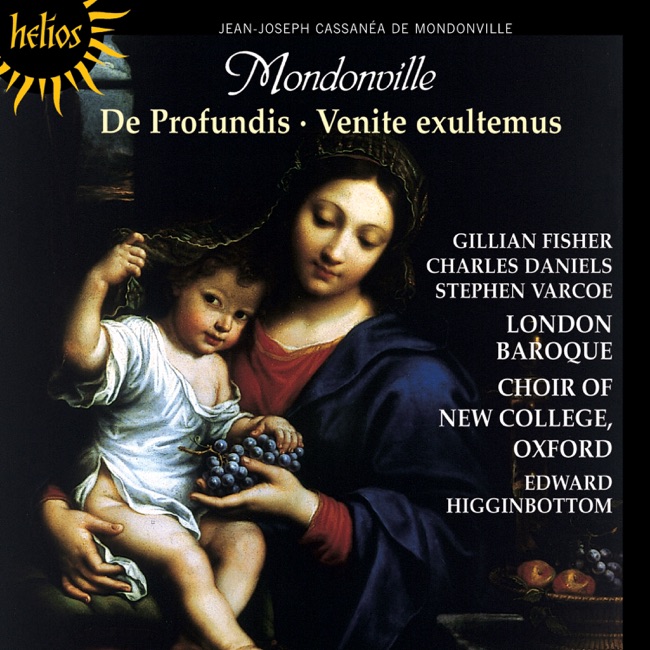
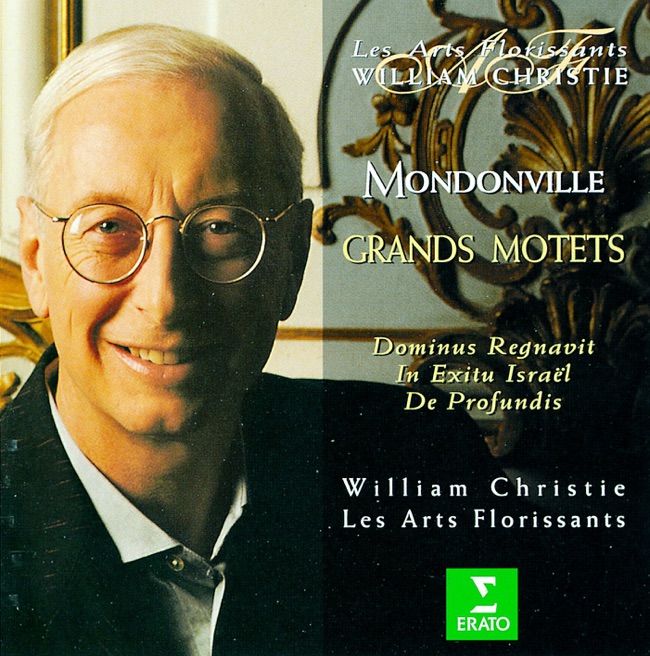
Works Info
Composer:Jean-Joseph Cassanéa de MondonvilleGenre:ChoralStyle:RequiemCompose Date:1748Average_duration:22:41Movement_count:7Movement ....De profundis is a sacred choral work composed by Jean-Joseph Cassanéa de Mondonville in 1749. The piece is a setting of Psalm 130, which begins with the words "De profundis clamavi ad te, Domine" (Out of the depths I have cried to you, O Lord). The work is scored for four soloists (soprano, alto, tenor, and bass), choir, and orchestra. The premiere of De profundis took place in Paris in 1749, and the work quickly became popular throughout France. The piece is divided into six movements, each of which reflects a different aspect of the psalm text. The first movement, marked "Largo," begins with a somber orchestral introduction that sets the tone for the entire work. The choir enters with a mournful melody that is repeated several times throughout the movement. The soloists then enter one by one, each singing a variation on the same melody. The second movement, marked "Allegro," is a lively fugue that contrasts sharply with the first movement. The choir and soloists sing in counterpoint, with each voice entering at a different time. The third movement, marked "Largo," is a duet for soprano and alto. The two voices intertwine in a beautiful melody that is accompanied by a simple, yet elegant, orchestral accompaniment. The fourth movement, marked "Allegro," is a trio for soprano, tenor, and bass. The three voices sing in harmony, with the soprano taking the lead and the tenor and bass providing a rich, supportive foundation. The fifth movement, marked "Largo," is a solo for bass. The voice is accompanied by a simple, yet powerful, orchestral accompaniment that emphasizes the text "Et ipse redimet Israel" (And he will redeem Israel). The final movement, marked "Allegro," is a triumphant chorus that brings the work to a close. The choir and soloists sing in unison, with the orchestra providing a joyful accompaniment. Overall, De profundis is a beautiful and moving work that showcases Mondonville's skill as a composer. The piece is characterized by its somber, mournful tone, which is contrasted with moments of joy and triumph. The work remains popular to this day and is frequently performed in concert halls and churches around the world.More....