


Orlande de Lassus
Veni creator spiritus, hymn for 5 voices, H. xviii/65
Released Album
Recent Album
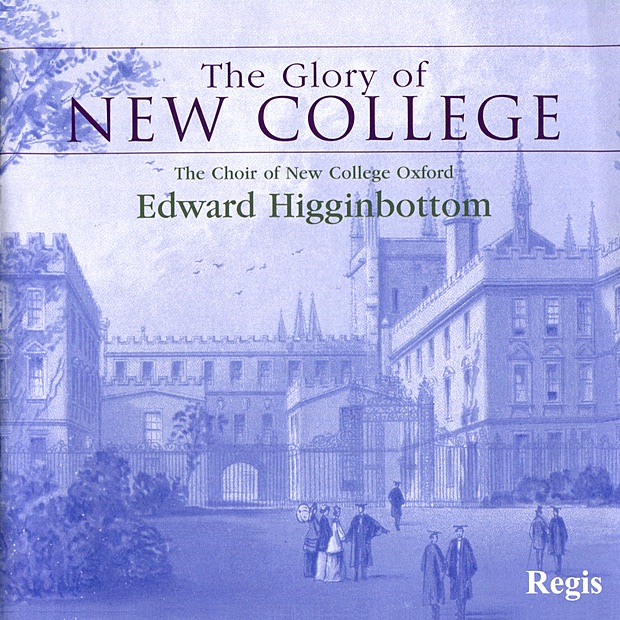
Featured Album
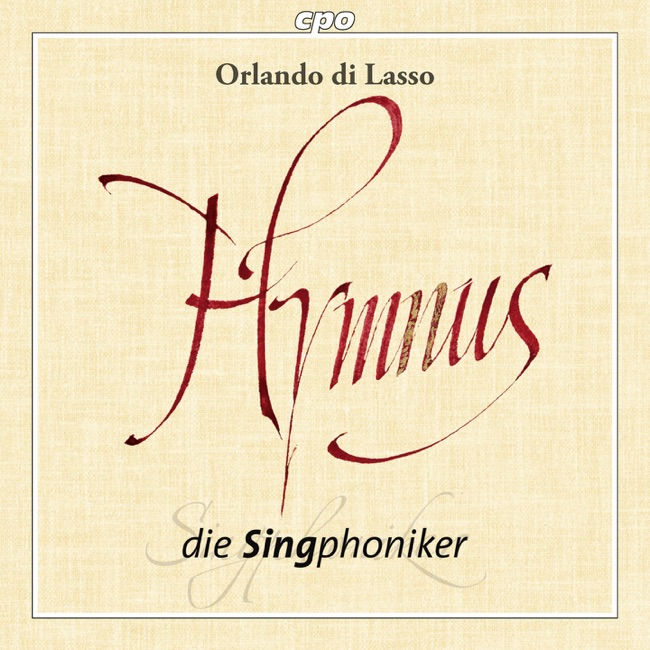
Works Info
Composer:Orlande de LassusGenre:ChoralStyle:ChoralAverage_duration:8:13Orlande de Lassus, also known as Roland de Lassus, was a prominent composer of the late Renaissance period. He was born in Mons, Belgium in 1532 and spent most of his career in Munich, Germany. One of his most famous works is the hymn "Veni creator spiritus," which he composed for five voices. The hymn "Veni creator spiritus" is a Latin hymn that is traditionally sung at Pentecost. It is a prayer to the Holy Spirit, asking for guidance and inspiration. Lassus' setting of the hymn is a beautiful example of Renaissance polyphony, with each voice part weaving in and out of the others to create a rich and complex texture. The hymn is divided into six movements, each with its own distinct character. The first movement is a simple and straightforward setting of the hymn's opening lines. The second movement is more complex, with the voices weaving in and out of each other in a series of imitative phrases. The third movement is a lively and energetic setting of the text "Accende lumen sensibus," which translates to "Kindle our senses with your light." The fourth movement is a slower and more contemplative setting of the text "Da tuis fidelibus," which translates to "Give your faithful ones." The fifth movement is a joyful and celebratory setting of the text "Gloria Patri Domino," which translates to "Glory to the Father, and to the Son, and to the Holy Spirit." The final movement is a simple and straightforward setting of the hymn's closing lines. Overall, Lassus' setting of "Veni creator spiritus" is a beautiful example of Renaissance polyphony. Its six movements showcase a range of different moods and textures, from the simple and straightforward to the complex and intricate. It is a testament to Lassus' skill as a composer and his ability to create music that is both beautiful and spiritually uplifting. The hymn was likely composed in the late 16th century and has been performed and recorded by countless choirs and vocal ensembles over the centuries.More....
Works Music
Released Music
Featured Music
1
Veni creator spiritus, hymn for 5 voices, H. xviii/65
In festo pentecostes hymnus - Veni creator spiritus, à 5
5:6