


Leonardo Vinci
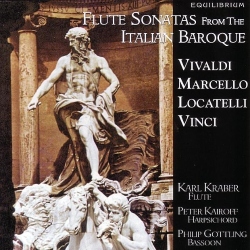
Sonata for flute & continuo in D major
Released Album
Recent Album
Works Info
Composer:Leonardo VinciGenre:ChamberStyle:SonataAverage_duration:8:54The 'Sonata for flute & continuo in D major' is a Baroque composition by Italian composer Leonardo Vinci. The exact date of composition is unknown, but it is believed to have been written in the early 18th century. The sonata is written for a solo flute accompanied by a continuo, which typically includes a harpsichord and a cello. The sonata is divided into three movements: Allegro, Largo, and Allegro. The first movement, Allegro, is a lively and energetic piece that showcases the technical abilities of the flute player. The second movement, Largo, is a slower and more contemplative piece that allows the flute to express a more emotional and lyrical side. The final movement, Allegro, returns to the lively and energetic style of the first movement, with the flute and continuo engaging in a playful and virtuosic dialogue. The 'Sonata for flute & continuo in D major' is a prime example of Baroque music, characterized by its ornate melodies, intricate harmonies, and elaborate ornamentation. The use of the continuo, a common feature of Baroque music, provides a rich and varied accompaniment that complements the solo flute. The sonata also demonstrates Vinci's skill as a composer, with its inventive melodies and clever use of counterpoint. Overall, the 'Sonata for flute & continuo in D major' is a delightful and engaging piece of music that showcases the beauty and versatility of the flute. Its combination of technical virtuosity and emotional expressiveness make it a favorite among flutists and Baroque music enthusiasts alike.More....
Works Music
Released Music

4
1:42