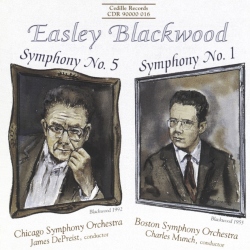
Easley Blackwood
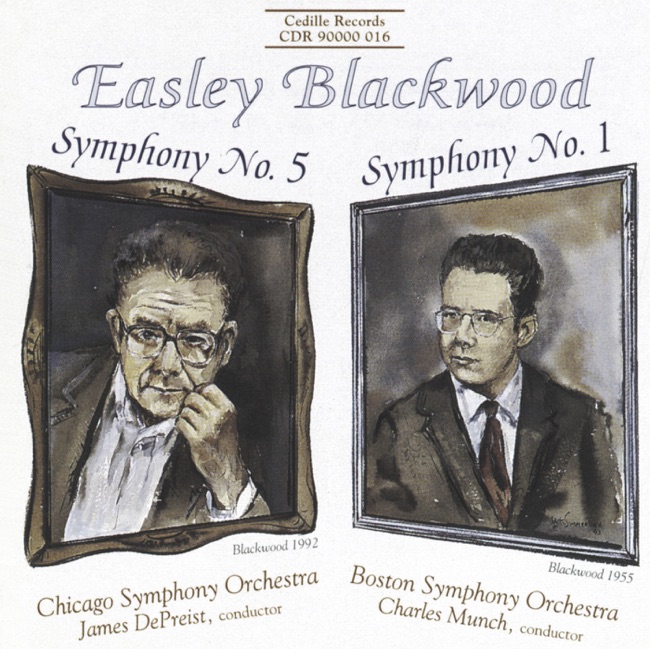
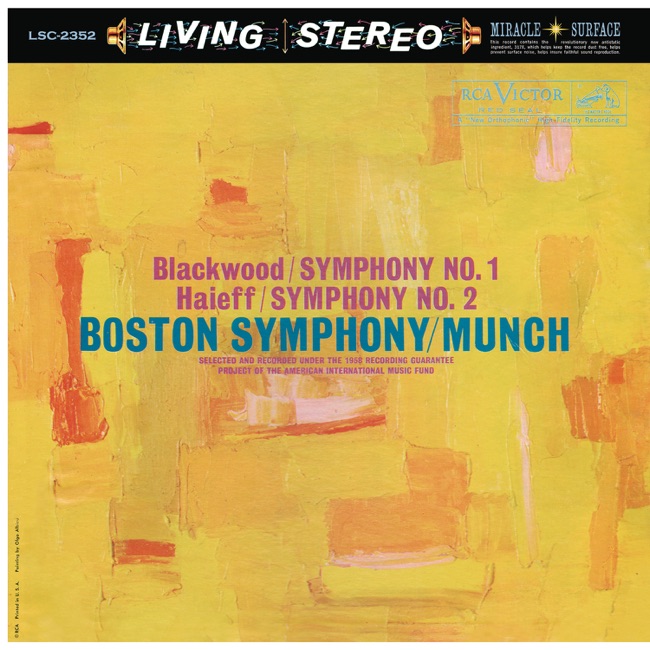
Symphony No. 1, Op. 3
Released Album
Recent Album
Works Info
Composer:Easley BlackwoodGenre:SymphonyStyle:SymphonyCompose Date:1954 - 1955Average_duration:31:18Movement_count:4Movement ....Symphony No. 1, Op. 3 is a classical composition by American composer Easley Blackwood. It was composed in 1953 and premiered on May 7, 1954, by the Chicago Symphony Orchestra under the direction of Rafael Kubelik. The symphony consists of four movements and has a total running time of approximately 30 minutes. The first movement, marked Allegro moderato, opens with a bold and energetic theme played by the strings. This theme is then developed and expanded upon by the woodwinds and brass. The movement features a number of contrasting sections, including a lyrical second theme and a more subdued middle section. The movement ends with a triumphant restatement of the opening theme. The second movement, marked Adagio, is a slow and contemplative piece. It begins with a mournful melody played by the strings, which is then taken up by the woodwinds and brass. The movement features a number of lush harmonies and rich textures, and builds to a powerful climax before fading away to a quiet close. The third movement, marked Scherzo, is a lively and playful piece. It features a number of rhythmic and melodic motifs that are passed around the various sections of the orchestra. The movement is characterized by its light and nimble feel, and its use of syncopated rhythms and unexpected accents. The final movement, marked Allegro con fuoco, is a fast and fiery piece. It opens with a driving rhythm played by the timpani, which is then taken up by the rest of the orchestra. The movement features a number of virtuosic solos for various instruments, including the violin and trumpet. It builds to a thrilling climax before ending with a triumphant coda. Overall, Symphony No. 1, Op. 3 is a powerful and dynamic work that showcases Blackwood's skill as a composer. It features a number of memorable themes and motifs, as well as a wide range of textures and moods. The symphony is notable for its use of traditional classical forms and structures, while also incorporating modern harmonies and rhythms.More....
Works Music
Released Music