Tomaso Albinoni
Concerto à cinque, Op. 10 No. 12 in B flat major
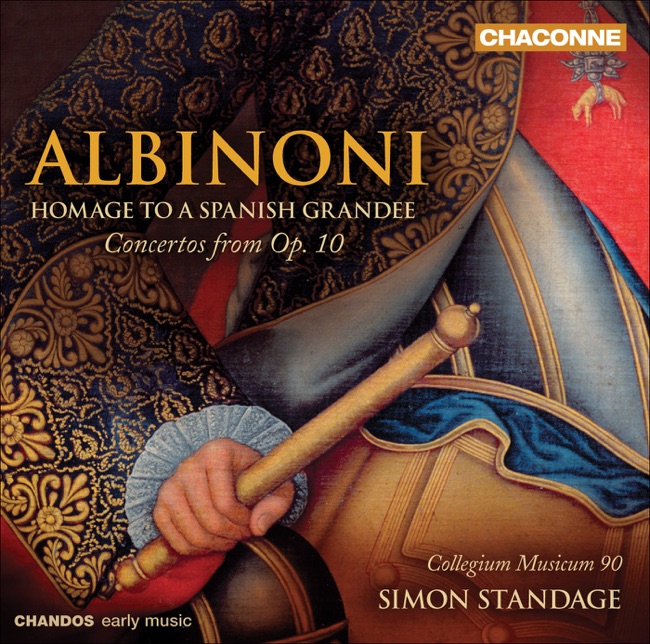
Released Album
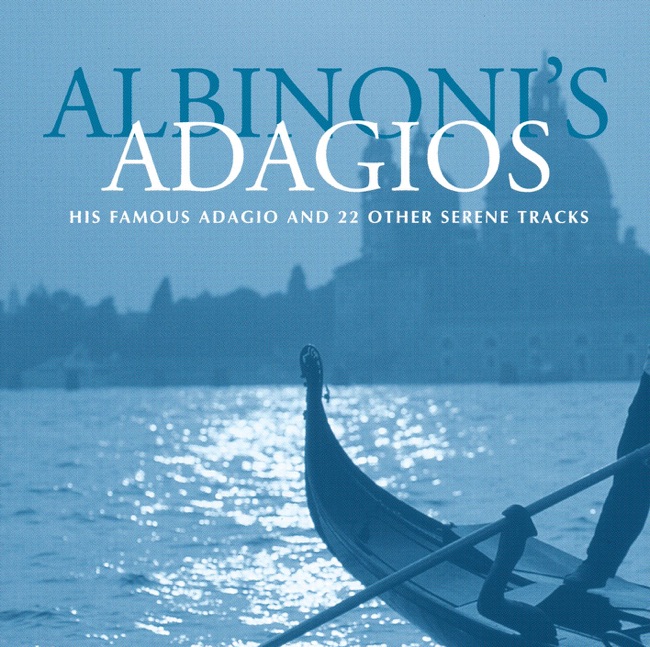
Recent Album
Works Info
Composer:Tomaso AlbinoniGenre:ConcertoStyle:ConcertoCompose Date:1735 - 1736Publication Date:1736Concerto à cinque, Op. 10 No. 12 in B flat major, also known as the "Christmas Concerto," was composed by Tomaso Albinoni in the early 18th century. The exact date of composition is unknown, but it is believed to have been written between 1715 and 1720. The concerto was first premiered in Venice, Italy, and was later published in 1729 as part of Albinoni's Opus 10 collection. The concerto is divided into five movements, each with its own unique characteristics. The first movement, marked "Preludio," is a lively and festive introduction that sets the tone for the entire piece. The second movement, "Allemanda," is a dance-like movement that features a solo violin accompanied by the rest of the ensemble. The third movement, "Adagio," is a slow and melancholic section that showcases the expressive capabilities of the solo violin. The fourth movement, "Minuetto," is a playful and light-hearted dance that features the entire ensemble. The final movement, "Giga," is a fast and energetic conclusion that brings the concerto to a thrilling close. One of the most notable characteristics of the concerto is its use of the concerto grosso form, which was popular during the Baroque era. This form features a small group of soloists (in this case, a solo violin, two solo oboes, a solo cello, and a solo bassoon) accompanied by a larger ensemble (in this case, a string orchestra). The interplay between the soloists and the ensemble creates a dynamic and engaging musical experience. Another notable characteristic of the concerto is its use of counterpoint, a technique in which multiple melodies are played simultaneously. Albinoni's skillful use of counterpoint creates a rich and complex texture that adds depth and interest to the music. Overall, Concerto à cinque, Op. 10 No. 12 in B flat major is a masterful example of Baroque music. Its lively and festive character, combined with its intricate counterpoint and use of the concerto grosso form, make it a beloved piece of classical music that continues to be performed and enjoyed today.More....
Works Music